
Acadia National Park
United States
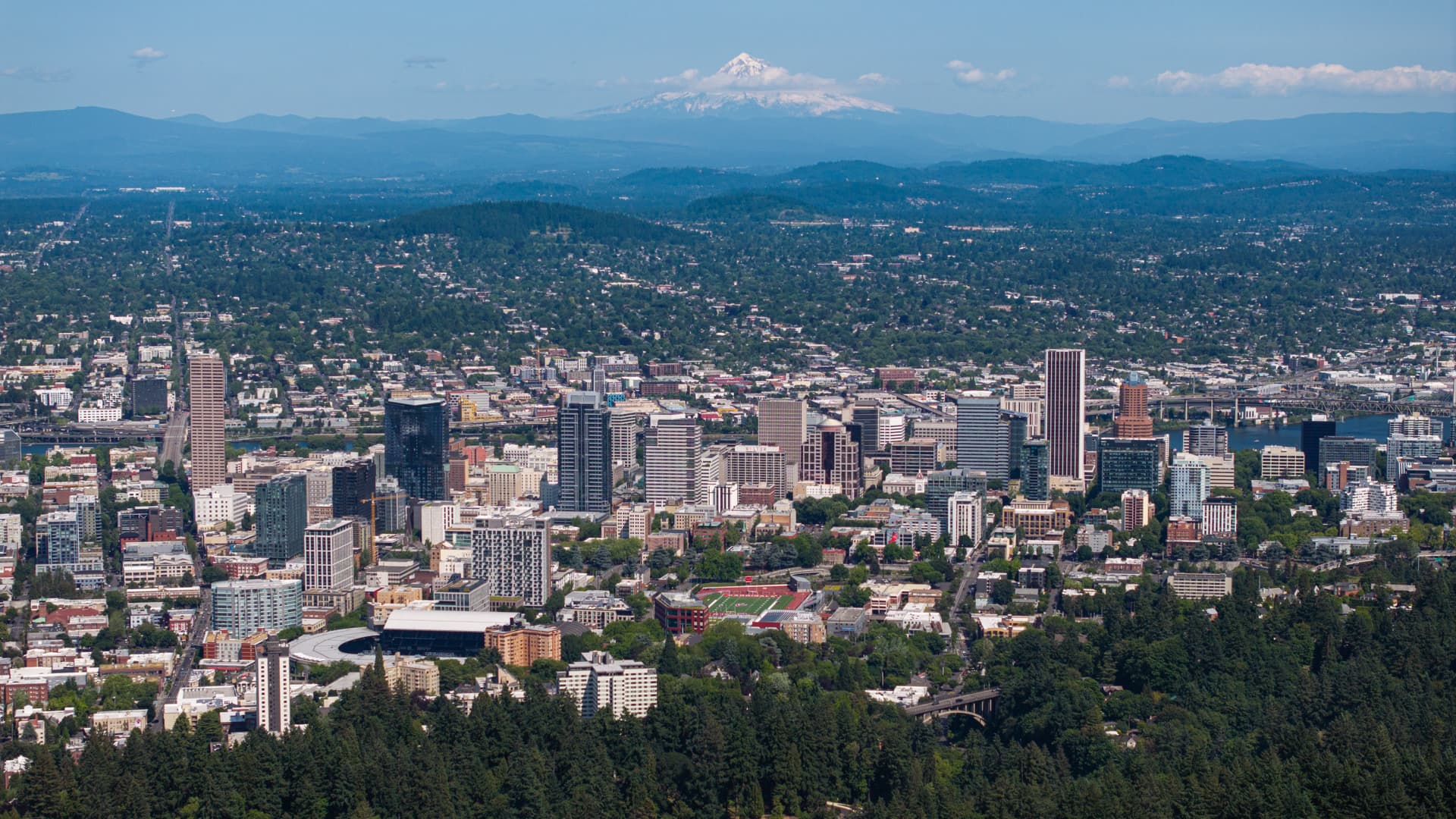
Portland
United States
Acadia National Park
Portland
💰 Budget
🛡️ Safety
Acadia National Park
Acadia National Park is very safe for visitors. Crime is minimal and the park service maintains excellent trails and facilities. The main hazards are environmental — slippery wet granite, cold water, coastal fog, and ticks carrying Lyme disease. The Beehive and Precipice ladder trails require caution and should not be attempted by those with a fear of heights or with children too young to grip iron rungs. Parking lot break-ins are the most common crime; do not leave valuables visible in cars.
Portland
Portland is generally safe for tourists but the city has genuinely struggled since 2020. Downtown and Old Town lost considerable foot traffic, and visible homelessness and open drug use are more apparent than in most American cities. West side neighborhoods (Pearl, Nob Hill/NW 23rd, Washington Park) and most east side neighborhoods (Hawthorne, Division, Alberta, Mississippi) feel comfortable day and night. Downtown is improving in 2025-2026 but still patchy after dark.
⭐ Ratings
🌤️ Weather
Acadia National Park
Acadia has a cold continental climate strongly influenced by the Gulf of Maine. Summers are short, pleasant, and occasionally foggy — the coast earns its nickname 'Downeast' from prevailing winds. Fall foliage peaks around October 10 and is the most spectacular season. Winters are brutal with heavy snow and ice, causing partial park closures. The mud season from April through May makes many trails impassable.
Portland
Portland has a cool marine climate — famously rainy, but not in the way visitors expect. The rain is a persistent drizzle, not heavy downpours. Portland actually receives less annual rainfall (about 36 inches) than New York or Houston, but it is spread over 150+ rainy days from October through May. Summers (July through September) are gloriously dry, sunny, and warm. Winter brings occasional snow that typically melts within a day or two.
🚇 Getting Around
Acadia National Park
A car is the most practical way to explore Acadia outside of summer — the Island Explorer free shuttle covers all major park destinations from late June through Columbus Day weekend, making a car optional during peak season. Bar Harbor itself is entirely walkable. Cycling on the carriage road network is highly recommended. There is no rail service to Mount Desert Island.
Walkability: Bar Harbor is highly walkable — the entire downtown is compact and flat. The park itself requires a vehicle, bicycle, or the Island Explorer shuttle. Many trailheads are directly accessible from town on foot, including the Great Head Trail and the Bar Island tidal crossing.
Portland
Portland has the most useful public transit of any city its size on the West Coast. MAX light rail (5 lines) connects the airport, downtown, and key suburbs. The Portland Streetcar loops through downtown, the Pearl, and east side neighborhoods. TriMet buses fill in the gaps. Within individual neighborhoods — Pearl, Hawthorne, Alberta, Mississippi, NW 23rd — walking is the right answer. Portland is also one of the best US cycling cities with protected lanes and a cyclists-first culture.
Walkability: Portland is one of the most walkable large cities in the American West — grid-patterned, flat on the east side, and most interesting neighborhoods (Pearl, NW 23rd, Hawthorne, Division, Alberta, Mississippi, Belmont) have dense commercial strips. Downtown blocks are short (only 200 ft) which makes walking feel quicker. Expect rain 9 months of the year — a good waterproof shell is more useful than an umbrella in the Portland wind.
The Verdict
Choose Acadia National Park if...
you want the first national park east of the Mississippi — Cadillac sunrise, Jordan Pond popovers, carriage roads, and the ladder trails up the Beehive and Precipice
Choose Portland if...
you want craft beer everywhere, no sales tax, food carts, Powell's Books, and the Cascades plus Coast at the doorstep
Acadia National Park
Portland