American Southwest
United States

Nashville
United States
American Southwest
Nashville
💰 Budget
🛡️ Safety
American Southwest
The Southwest's gateway towns (Sedona, Flagstaff, Page, Williams) have low crime rates. The real risks are environmental: extreme heat, flash floods, altitude sickness on the rim, dehydration, and long distances between services. More national-park visitors die from heat and falls here than anywhere else in the system.
Nashville
Nashville is generally safe for visitors in the tourist corridor — Broadway, The Gulch, 12 South, East Nashville, Germantown, and the Vanderbilt/Centennial Park area all feel comfortable day and night. Property crime (car break-ins) is the dominant concern. Broadway weekend nights can get rowdy, with the occasional fight spilling out of bars. Gun violence is a citywide issue but rarely touches tourist zones.
⭐ Ratings
🌤️ Weather
American Southwest
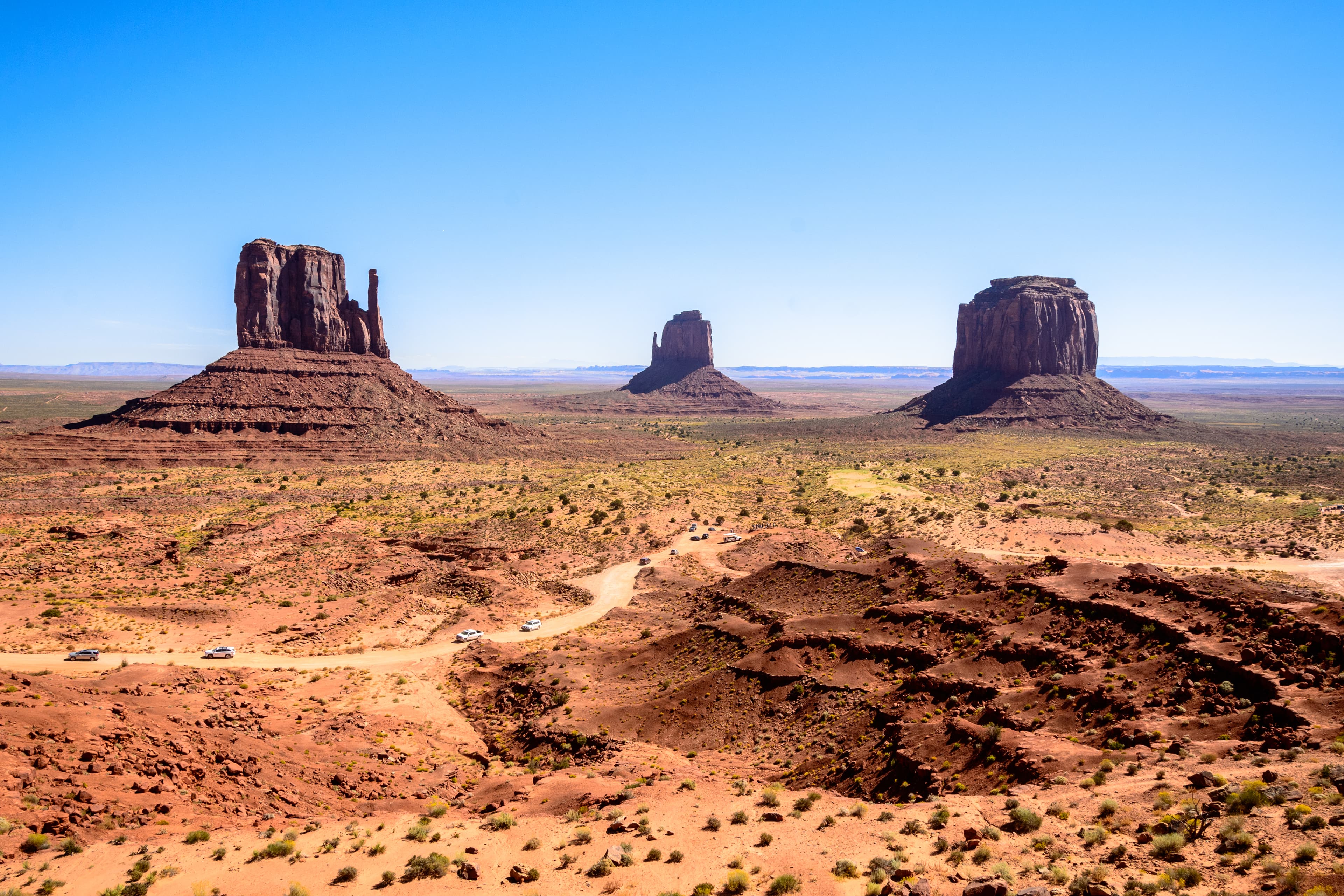
The American Southwest spans a huge elevation range — from desert floors at 900 meters to canyon rims above 2,500 meters — so weather varies dramatically. Low deserts (Phoenix, Page) bake in summer (40°C+), while Grand Canyon South Rim and Flagstaff can get snow in winter. Sedona sits in between. The July-September "monsoon" brings sudden, violent thunderstorms and flash floods.
Nashville
Nashville has a humid subtropical climate with hot, humid summers, mild winters, and severe storm potential year-round. Spring (April-May) and fall (September-October) are when the city is at its best. July and August are brutal. Winter is mild but brings occasional ice and rare snow. Middle Tennessee sits firmly in the southern end of "Tornado Alley."
🚇 Getting Around
American Southwest
A rental car is essentially mandatory to explore the Southwest. Distances are huge (Grand Canyon to Monument Valley is 280 km; Sedona to Page is 210 km) and public transport between parks is minimal. Once inside Grand Canyon South Rim, however, free shuttle buses efficiently cover all viewpoints. Amtrak's Southwest Chief stops at Flagstaff, and small regional airports serve the area.
Walkability: Downtown Sedona, Flagstaff, Williams, and Page are pleasantly walkable once you've parked. The Grand Canyon Village is very walkable — you can walk the entire South Rim Trail (21 km) past all major viewpoints. Outside town centers, distances and lack of sidewalks make walking impractical.
Nashville
Nashville is a car-and-rideshare city. WeGo Public Transit runs buses but the network is limited and slow — few visitors use it. There is no subway or light rail. Downtown, The Gulch, Germantown, 12 South, and East Nashville are each individually walkable, but connecting them means rideshare. The city lacks the dense transit grid of northeastern cities.
Walkability: Nashville is walkable within individual neighborhoods but not between them. Downtown (Broadway, The District, Germantown) is the most walkable core. 12 South runs six walkable blocks of restaurants and shops. East Nashville centers on 5 Points and the Eastland strip. Connecting any of these usually requires rideshare or driving — sidewalks get patchy and stroads (wide commercial roads) make long walks unpleasant.
The Verdict
Choose American Southwest if...
you want Grand Canyon vistas, Sedona red rocks, Antelope Canyon light shafts, and the great American road trip through red-rock country
Choose Nashville if...
you want nonstop country music, hot chicken, songwriter listening rooms, and honky-tonk chaos on Broadway
American Southwest
Nashville