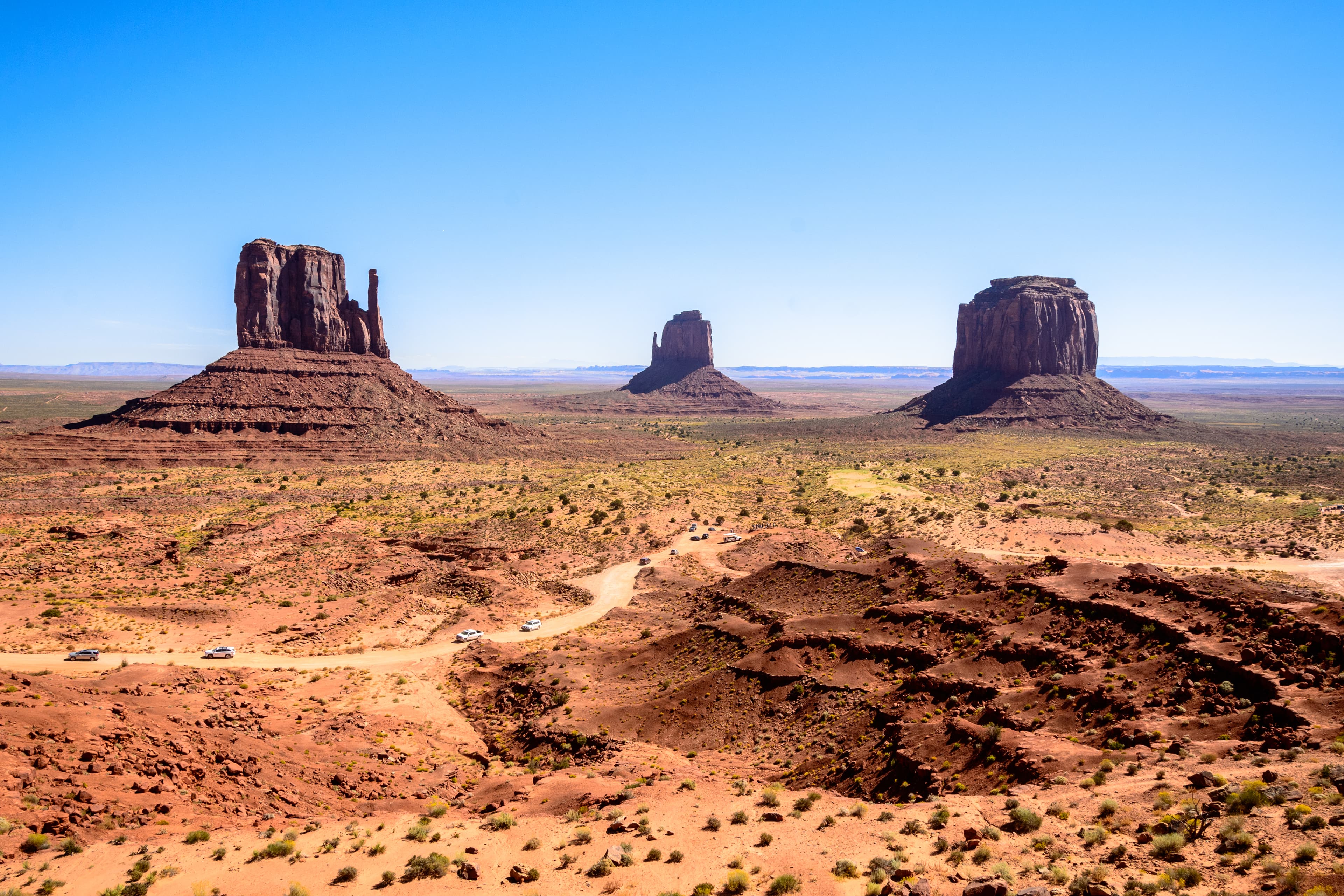
American Southwest
United States

Savannah
United States
American Southwest
Savannah
💰 Budget
🛡️ Safety
American Southwest
The Southwest's gateway towns (Sedona, Flagstaff, Page, Williams) have low crime rates. The real risks are environmental: extreme heat, flash floods, altitude sickness on the rim, dehydration, and long distances between services. More national-park visitors die from heat and falls here than anywhere else in the system.
Savannah
The historic district is generally safe during the day and into the evening, with a heavy tourist-police presence and well-lit main streets. Savannah has a higher violent-crime rate than Charleston by raw numbers, mostly concentrated in neighborhoods north and west of the historic district that tourists rarely visit. The most common visitor issues are car break-ins, aggressive panhandling near River Street, and overdoing it on to-go cups.
⭐ Ratings
🌤️ Weather
American Southwest
The American Southwest spans a huge elevation range — from desert floors at 900 meters to canyon rims above 2,500 meters — so weather varies dramatically. Low deserts (Phoenix, Page) bake in summer (40°C+), while Grand Canyon South Rim and Flagstaff can get snow in winter. Sedona sits in between. The July-September "monsoon" brings sudden, violent thunderstorms and flash floods.
Savannah
Savannah has a humid subtropical climate — mild winters, long pollen-heavy springs, and notoriously muggy summers where the heat index regularly crosses 105°F. Hurricane season runs June 1 through November 30, with highest risk in August-September. Spring (March-May) and late autumn (October-November) are the clear sweet spots.
🚇 Getting Around
American Southwest
A rental car is essentially mandatory to explore the Southwest. Distances are huge (Grand Canyon to Monument Valley is 280 km; Sedona to Page is 210 km) and public transport between parks is minimal. Once inside Grand Canyon South Rim, however, free shuttle buses efficiently cover all viewpoints. Amtrak's Southwest Chief stops at Flagstaff, and small regional airports serve the area.
Walkability: Downtown Sedona, Flagstaff, Williams, and Page are pleasantly walkable once you've parked. The Grand Canyon Village is very walkable — you can walk the entire South Rim Trail (21 km) past all major viewpoints. Outside town centers, distances and lack of sidewalks make walking impractical.
Savannah
Savannah's historic district is small, flat, and gorgeously walkable — the entire square grid is about 1 mile by 1.5 miles. The DOT (Downtown Transportation) shuttle runs for free through the historic district, which solves most in-town needs. Rideshare fills the gaps, and a rental car is worth it only if you're doing Tybee Island or the plantations. Bikes are a great option in the flat, shaded squares.
Walkability: The historic district is one of the most walkable neighborhoods in the American South — designed in 1733 as a pedestrian grid, flat, deeply shaded by live oaks, with a square to rest in every 2-3 blocks. The main hazards are uneven brick sidewalks and the cobblestones on River Street. Outside the historic district and Starland, the city becomes car-dependent fast.
The Verdict
Choose American Southwest if...
you want Grand Canyon vistas, Sedona red rocks, Antelope Canyon light shafts, and the great American road trip through red-rock country
Choose Savannah if...
you want Spanish-moss cobblestones, open-container historic squares, and low-country cuisine in America's most perfectly preserved colonial grid
American Southwest
Savannah