
Austin
United States
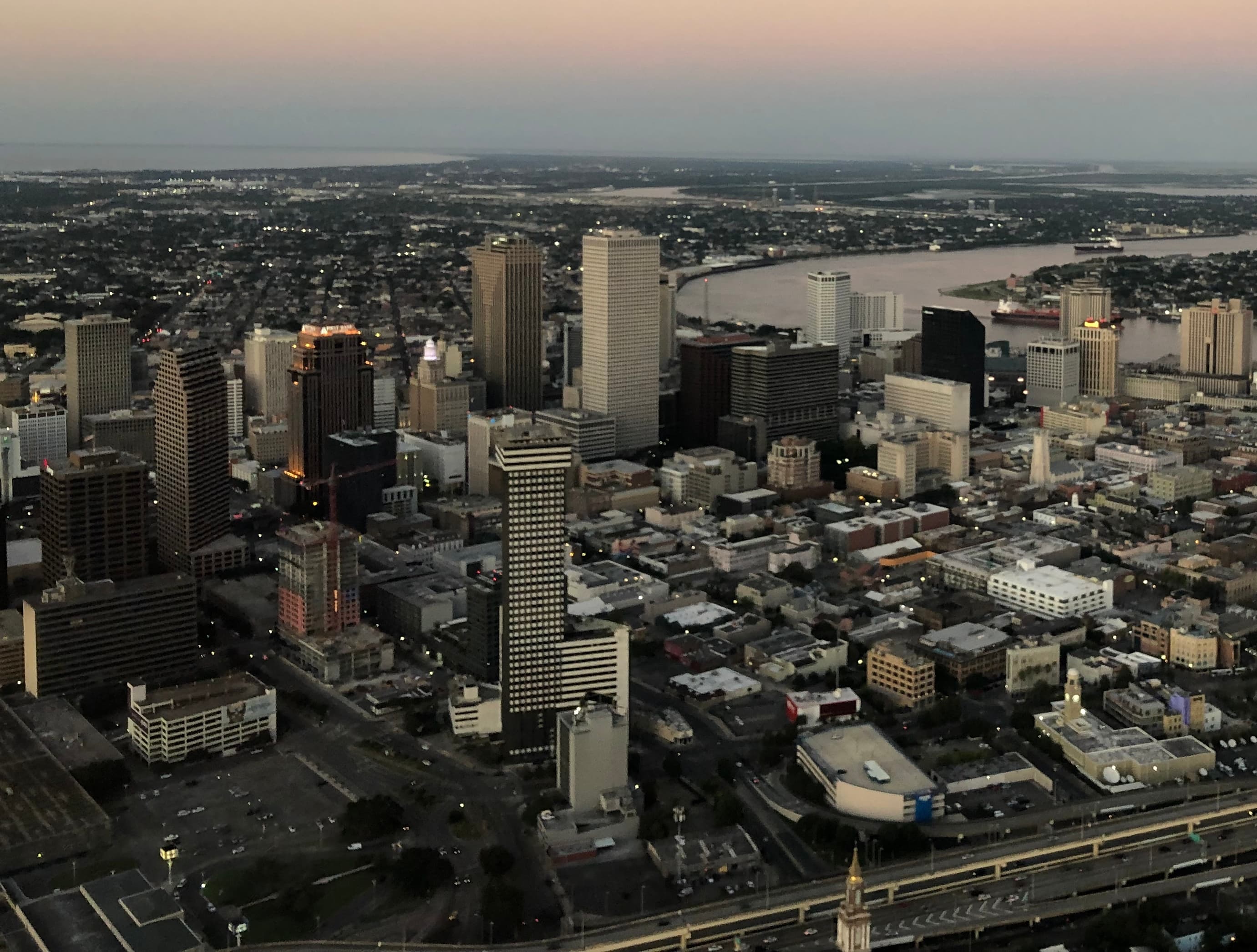
New Orleans
United States
Austin
New Orleans
💰 Budget
🛡️ Safety
Austin
Austin is generally safe for visitors, with most tourist areas (downtown, South Congress, UT, Zilker) feeling comfortable day and night. Property crime (car break-ins) is the most common concern. 6th Street on weekend nights has a reputation for fights and occasional shootings — late-night caution is warranted there specifically.
New Orleans
New Orleans has higher violent crime rates than most US tourist cities, but crime is heavily concentrated in specific neighborhoods. Tourist areas (French Quarter during day, Garden District, Warehouse District, Frenchmen Street) are generally safe. Pickpocketing and phone theft on Bourbon Street are common. After-hours crime spikes outside these zones.
⭐ Ratings
🌤️ Weather
Austin
Austin has a humid subtropical climate with long, brutal summers and mild winters. Summer is the defining weather experience — 100°F+ days are routine from June through September. Spring (March-May) is when Austin is at its best. Winter is mild but can bring surprise ice storms roughly once a decade.
New Orleans
New Orleans has a humid subtropical climate — hot and sticky for most of the year, with short, mild winters. Summer humidity is famously oppressive, and afternoon thunderstorms are near-daily from June through September. Hurricane season runs June through November.
🚇 Getting Around
Austin
Austin is a car city. Public transit (Capital Metro) is limited and slow. Most visitors use rideshare (Uber, Lyft) or rent a car. Downtown, South Congress, and East Austin are walkable individually but connecting them on foot is impractical. Cycling is viable on the Lady Bird Lake trail and protected lanes on Guadalupe and Rio Grande.
Walkability: Austin is a moderately walkable city within individual neighborhoods but not between them. Downtown, South Congress (SoCo), Rainey Street, and the UT campus area each work well on foot. Getting from one to another almost always means rideshare, bike, or driving. Summer heat (June-September) makes any walk over 10 minutes uncomfortable midday.
New Orleans
New Orleans is compact and walkable in its tourist core. The Regional Transit Authority (RTA) runs historic streetcars, buses, and ferries. A Jazzy Pass offers unlimited rides. Driving downtown is difficult — streets are narrow, parking is scarce and expensive, and the one-way grid is confusing.
Walkability: The French Quarter, Marigny, CBD, and Warehouse District are highly walkable. The Garden District, Bywater, and Mid-City are walkable once you've arrived, but you'll want a streetcar or rideshare to get between districts. Sidewalks in the Quarter can be uneven — watch for broken flagstones, especially at night.
The Verdict
Choose Austin if...
you want live music every night, legendary brisket and breakfast tacos, Hill Country day trips, and a weird-but-booming Texas capital
Choose New Orleans if...
you want America's most culturally distinct city — Creole and Cajun food, jazz on Frenchmen Street, and French Quarter magic
New Orleans