
Bangkok
Thailand
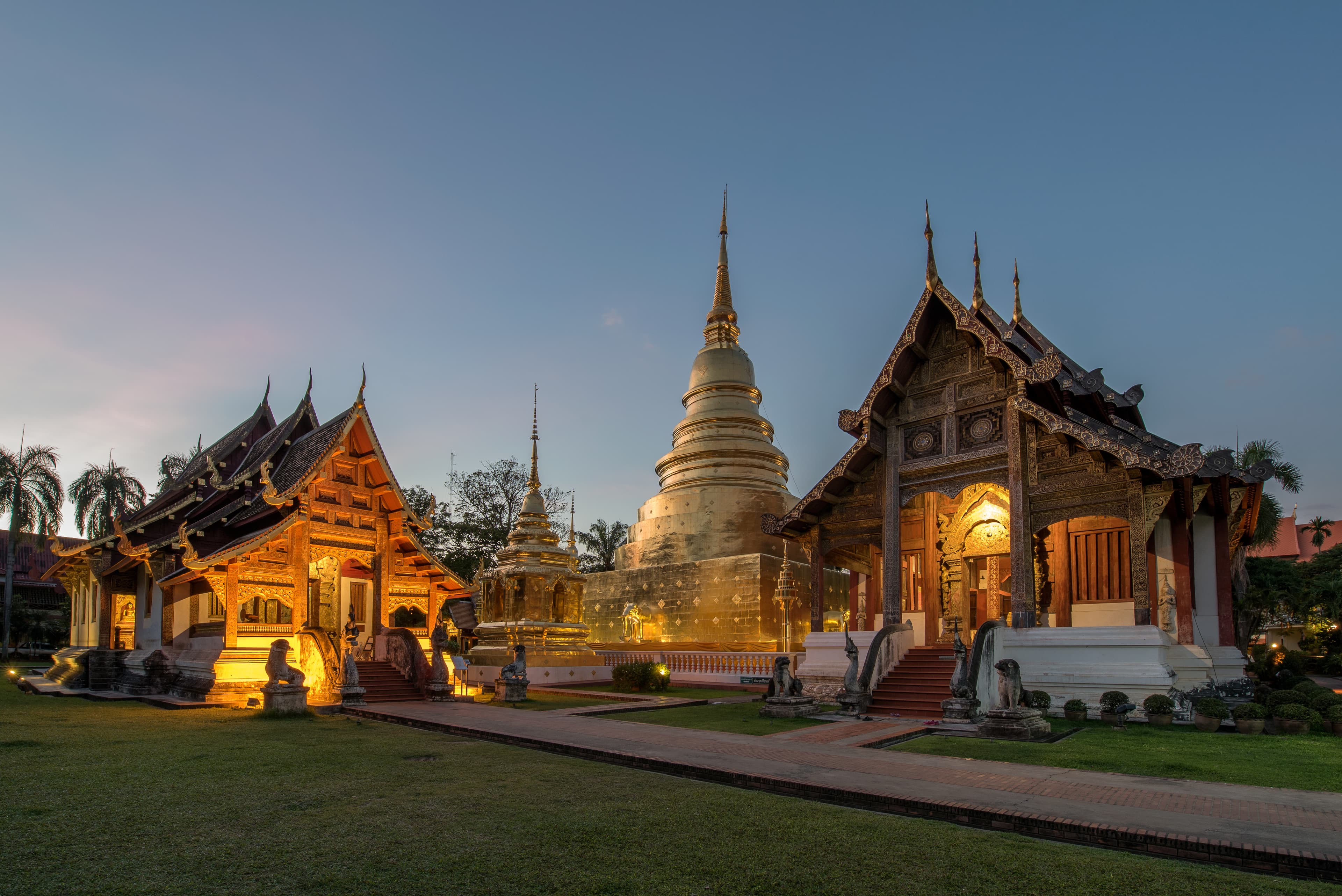
Chiang Mai
Thailand
Bangkok
Chiang Mai
💰 Budget
🛡️ Safety
Bangkok
Bangkok is generally safe for tourists, and violent crime against visitors is rare. The main risks are petty scams, pickpocketing in crowded areas, and reckless traffic. Use the same common sense you would in any major city. Thais are overwhelmingly friendly and helpful.
Chiang Mai
Chiang Mai is one of the safest cities in Southeast Asia for travelers. Violent crime against tourists is extremely rare, though petty theft and scams exist. The biggest health concern is air quality during burning season (February-April).
⭐ Ratings
🌤️ Weather
Bangkok
Bangkok has a tropical climate that is hot year-round. There are three seasons: hot, rainy, and cool. Even the "cool" season rarely dips below 25°C. Humidity is consistently high.
Chiang Mai
Chiang Mai has a tropical savanna climate with three distinct seasons: hot, rainy, and cool. The city sits in a valley which traps heat and, unfortunately, smoke during the burning season (February-April).
🚇 Getting Around
Bangkok
Bangkok's traffic is legendary — avoid road transport during rush hour (7–9am, 5–8pm) when possible. The BTS Skytrain and MRT subway are fast and reliable for routes they cover. For everything else, motorcycle taxis and river boats fill the gaps.
Walkability: Low overall due to heat, uneven sidewalks, and missing pedestrian infrastructure. However, individual areas like the Old City temple district, Sukhumvit between BTS stations, and Chinatown are walkable if you tolerate the heat. Elevated walkways connect many BTS stations to nearby malls.
Chiang Mai
Chiang Mai lacks a metro or rail system, so getting around relies on songthaews (red shared trucks), tuk-tuks, Grab ride-hailing, and rented scooters. The Old City is compact enough to walk or cycle. The city is currently building a light rail system planned for future years.
Walkability: The Old City is very walkable — roughly 1.5 km on each side — and most major temples are within easy walking distance of each other. The Nimmanhaemin area is also pedestrian-friendly. Beyond these areas, distances grow and motorized transport is needed.
The Verdict
Choose Bangkok if...
you want incredible street food, vibrant nightlife, ornate temples, and unbeatable value for money
Choose Chiang Mai if...
you want northern Thailand's temple city — Doi Suthep sunsets, Sunday Walking Street, ethical elephant sanctuaries, and Songkran soaked to the bone
Bangkok
Chiang Mai