
Beijing
China
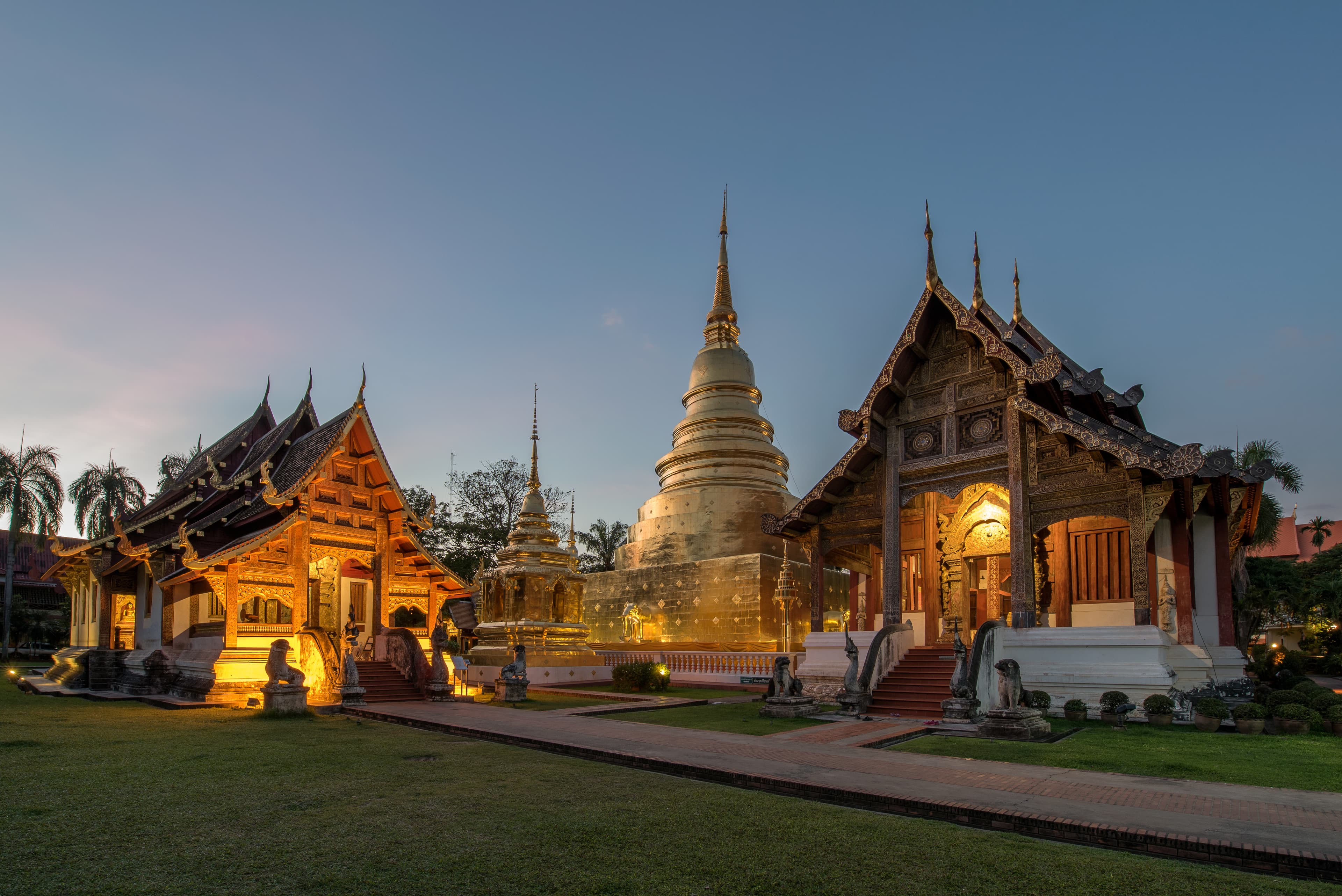
Chiang Mai
Thailand
Beijing
Chiang Mai
💰 Budget
🛡️ Safety
Beijing
Beijing is generally very safe with low violent crime rates. The main concerns for tourists are scams, pickpocketing in crowded areas, air pollution, and navigating internet restrictions.
Chiang Mai
Chiang Mai is one of the safest cities in Southeast Asia for travelers. Violent crime against tourists is extremely rare, though petty theft and scams exist. The biggest health concern is air quality during burning season (February-April).
⭐ Ratings
🌤️ Weather
Beijing
Beijing has a continental monsoon climate with hot, humid summers and cold, dry winters. Spring can bring sandstorms from the Gobi Desert. Autumn is widely considered the best season to visit.
Chiang Mai
Chiang Mai has a tropical savanna climate with three distinct seasons: hot, rainy, and cool. The city sits in a valley which traps heat and, unfortunately, smoke during the burning season (February-April).
🚇 Getting Around
Beijing
Beijing's metro is massive (27 lines, 470+ stations) and covers most tourist areas. Distances between sights can be large — combine metro with taxis or ride-hailing for efficiency.
Walkability: Moderate — individual areas like the Forbidden City surroundings and hutong neighborhoods are very walkable, but Beijing is enormous and distances between attractions are significant.
Chiang Mai
Chiang Mai lacks a metro or rail system, so getting around relies on songthaews (red shared trucks), tuk-tuks, Grab ride-hailing, and rented scooters. The Old City is compact enough to walk or cycle. The city is currently building a light rail system planned for future years.
Walkability: The Old City is very walkable — roughly 1.5 km on each side — and most major temples are within easy walking distance of each other. The Nimmanhaemin area is also pedestrian-friendly. Beyond these areas, distances grow and motorized transport is needed.
The Verdict
Choose Beijing if...
you want the Forbidden City, Temple of Heaven, Great Wall at Mutianyu or Jinshanling, Summer Palace, Peking duck, and hutong bike rides
Choose Chiang Mai if...
you want northern Thailand's temple city — Doi Suthep sunsets, Sunday Walking Street, ethical elephant sanctuaries, and Songkran soaked to the bone
Beijing
Chiang Mai