
Cameron Highlands
Malaysia
Kerala
India
Cameron Highlands
Kerala
💰 Budget
🛡️ Safety
Cameron Highlands
Cameron Highlands is generally safe and low-crime, and violent incidents against tourists are extremely rare. The more realistic hazards are environmental: the winding mountain roads are prone to accidents and landslides, the jungle trails can disorient inexperienced hikers, and dengue-carrying mosquitos are present even at this altitude. Weekend and holiday crowds create petty theft risk in markets and bus stations. Exercise common sense and respect the mountain environment.
Kerala
Kerala is consistently rated among the safest states in India for tourists, including solo female travelers. Its high literacy rate, organized tourism infrastructure, and strong local governance contribute to a lower crime rate than most Indian states. The primary hazards are environmental — monsoon flooding, coastal currents, and wildlife in forested areas — rather than personal safety concerns.
⭐ Ratings
🌤️ Weather
Cameron Highlands
Cameron Highlands has a cool, mist-prone highland climate that is the reason it exists as a destination. At 1,500m, temperatures stay between 15–25°C year-round — a radical departure from the 30–36°C heat of the Malaysian coast. There is no real summer or winter, just a relatively drier period (February–April) and a wetter one (October–November). Rain can fall any month. The Mossy Forest above Gunung Brinchang gets its name from near-permanent cloud and moisture. Bring a light jacket for mornings, which can feel genuinely cold at 12–14°C.
Kerala
Kerala has a tropical climate governed by two monsoon cycles. The southwest monsoon (June-September) is the heaviest in mainland India, bringing thunderous daily rainfall, high humidity, and a dramatic transformation of the landscape into intense green. The northeast monsoon (October-November) brings lighter rains to the south. December to February is the dry, mild peak tourist season. Kerala's highland areas (Munnar, Wayanad) are significantly cooler year-round.
🚇 Getting Around
Cameron Highlands
There is no rail access to Cameron Highlands and no internal bus network worth relying on. Within the highlands, taxis and Grab (with limited availability) handle short trips between towns. Most remote attractions — the tea estates, Gunung Brinchang, jungle trails — require either a taxi, a motorbike rental, or a pre-arranged tour. Motorbike rental is popular but requires real caution on the narrow winding highland roads.
Walkability: Tanah Rata town center is walkable and a pleasant place to stroll. The numbered jungle trails start within walking distance. However, the major attractions — tea estates, Gunung Brinchang, butterfly farm, and farms — are spread across 30 km of highland roads and are not walkable between. You will need transport for most of the destination's best offerings.
Kerala
Kerala is one of the better-connected Indian states for travel. Indian Railways runs the backbone of the coastal corridor linking Trivandrum, Kochi, and Calicut, with frequent expresses. KSRTC (Kerala State Road Transport Corporation) and private buses reach virtually every district. Kochi and Trivandrum have Uber and Ola. Autorickshaws are ubiquitous for short hops. The backwaters require boats. Munnar and Wayanad are best reached by hired car or bus from Kochi.
Walkability: Walkability varies sharply by location. Fort Kochi is compact and very walkable — the fishing nets, synagogue, Dutch Palace, and cafes are all within 30 minutes on foot. Alleppey town is flat and bikeable. Trivandrum and Calicut are sprawling and require transport. Munnar town is small but the plantation walks require transport to trailheads.
The Verdict
Choose Cameron Highlands if...
you want Malaysia's cool highland tea country — BOH plantations, Mossy Forest cloud forest, and a break from the hot peninsular coast
Choose Kerala if...
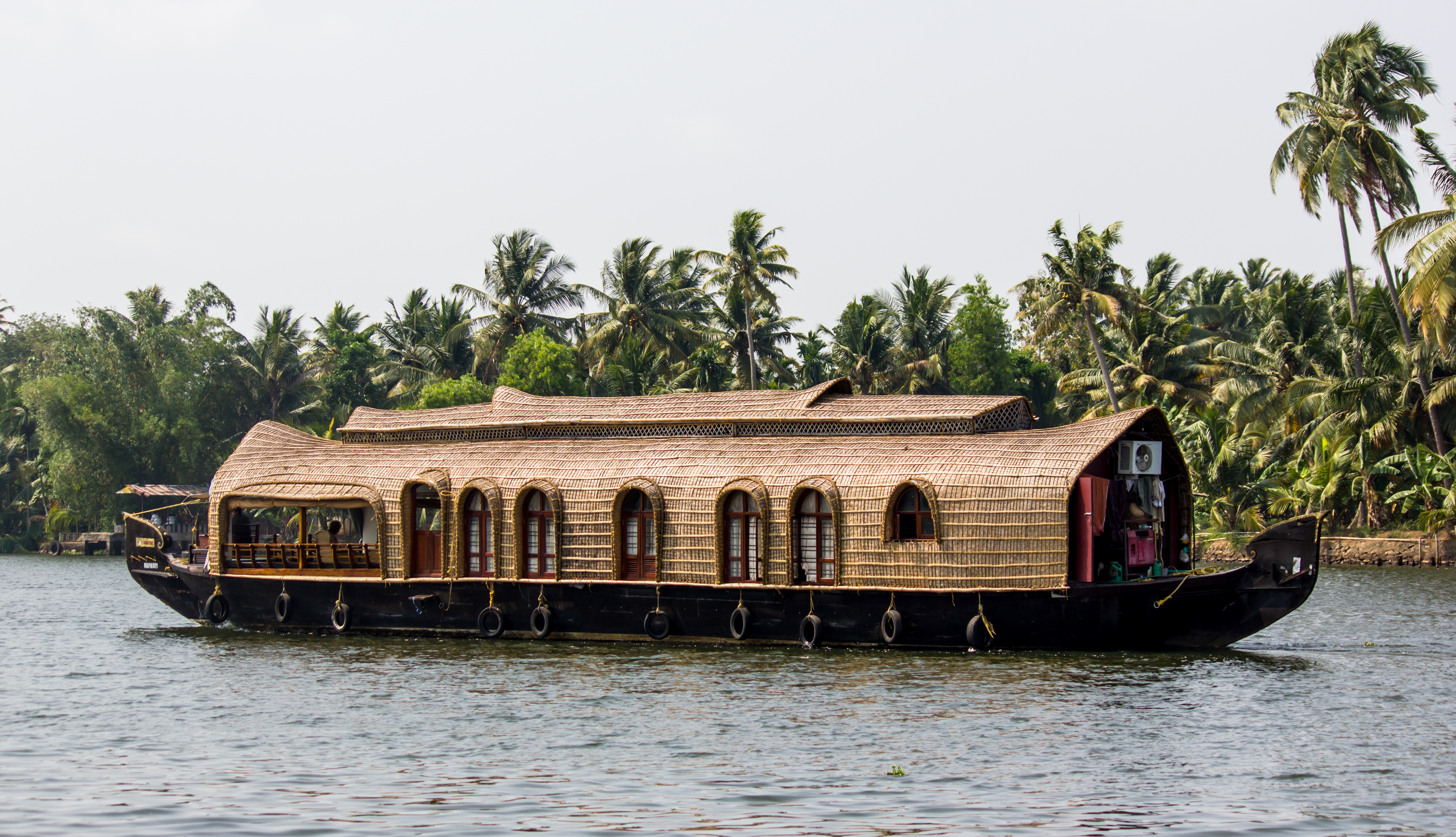
you want "God's Own Country" — Alleppey houseboat backwaters, Munnar tea hills, Fort Kochi colonial streets, Kathakali dance, and Ayurveda across a tropical coast
Cameron Highlands