🏆 Chiang Mai wins 91 OVR vs 82 · attribute matchup 6–1
Thailand
91OVR
Iran
82OVR

Chiang Mai
Thailand
Isfahan
Iran
Chiang Mai
Isfahan
💰 Budget
🛡️ Safety
Chiang Mai
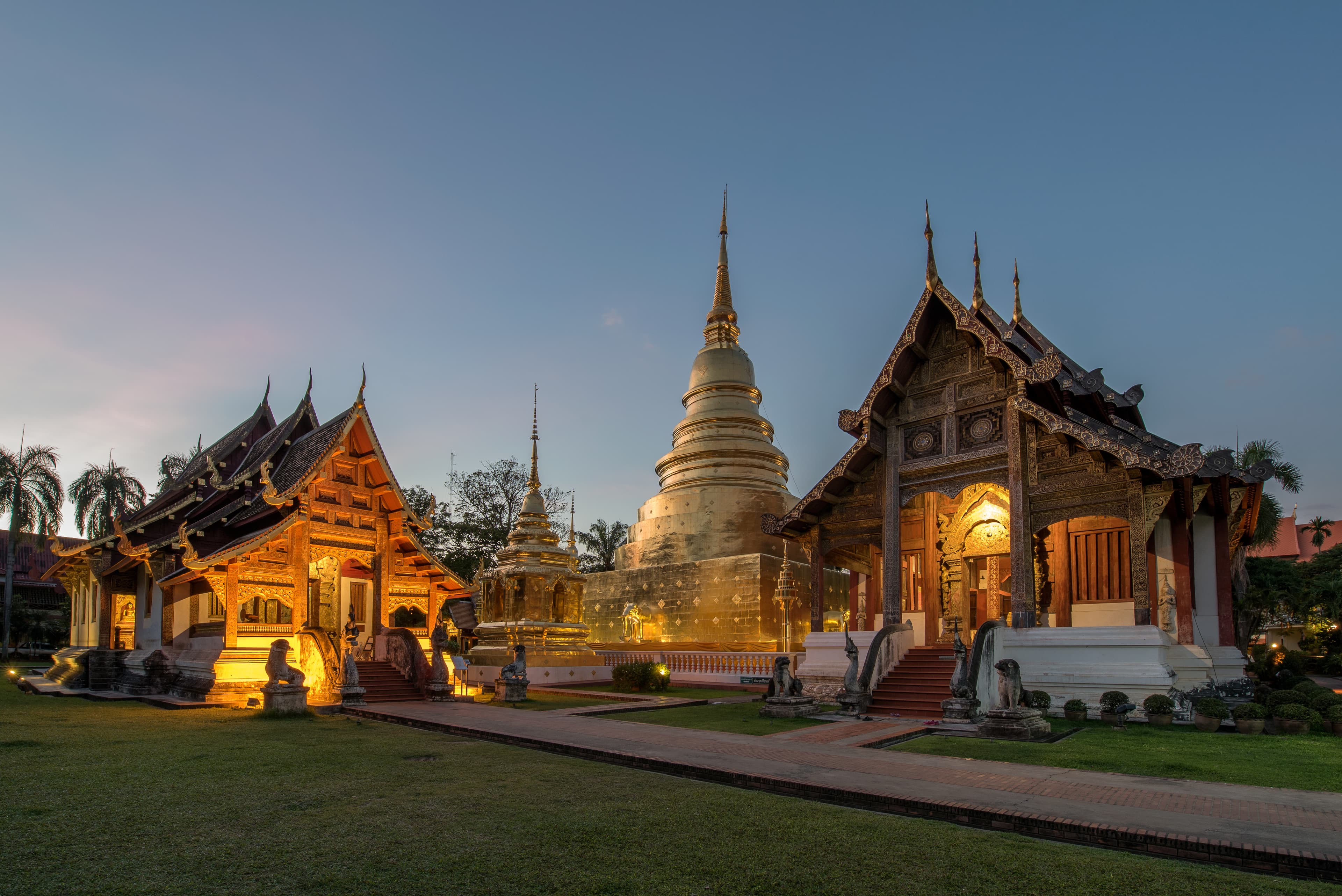
Chiang Mai is one of the safest cities in Southeast Asia for travelers. Violent crime against tourists is extremely rare, though petty theft and scams exist. The biggest health concern is air quality during burning season (February-April).
Isfahan
Isfahan itself is an extraordinarily safe city at street level — violent crime against tourists is essentially nonexistent, Iranians are famously hospitable, and the tourist zones are heavily patrolled and well-lit at night. The safety caveats for travel to Iran are almost entirely political and logistical rather than personal-safety issues: heightened regional tensions can lead to sudden changes in consular advice, protests occasionally flare (2022–2023 were particularly tense), and dual-nationals and some Western passport holders face additional scrutiny. Check your government's travel advisory within 7 days of departure.
⭐ Ratings
🌤️ Weather
Chiang Mai
Chiang Mai has a tropical savanna climate with three distinct seasons: hot, rainy, and cool. The city sits in a valley which traps heat and, unfortunately, smoke during the burning season (February-April).
Isfahan
Isfahan sits at 1,590 metres on the central Iranian plateau, giving it a continental semi-arid climate with hot dry summers, cold crisp winters, and remarkably clear skies year-round. The city receives very little rainfall (roughly 120 mm per year). Spring and autumn are the clear ideal seasons. Summer is hot but dry enough to remain bearable in the shade; winter can dip below freezing at night and occasionally brings light snow.
🚇 Getting Around
Chiang Mai
Chiang Mai lacks a metro or rail system, so getting around relies on songthaews (red shared trucks), tuk-tuks, Grab ride-hailing, and rented scooters. The Old City is compact enough to walk or cycle. The city is currently building a light rail system planned for future years.
Walkability: The Old City is very walkable — roughly 1.5 km on each side — and most major temples are within easy walking distance of each other. The Nimmanhaemin area is also pedestrian-friendly. Beyond these areas, distances grow and motorized transport is needed.
Isfahan
Isfahan's major tourist sights are concentrated in a compact arc from the Jameh Mosque in the old city, through Naqsh-e Jahan Square, across the Zayandeh River bridges, and into the Jolfa quarter — roughly 5 km end to end. The historic centre around Naqsh-e Jahan is highly walkable. For longer hops (to Jolfa, Vank Cathedral, the airport) taxis or the single metro line are the practical options.
Walkability: Very high in the historic core — Naqsh-e Jahan, the bazaar, Chehel Sotoun, and the Jameh Mosque are all walkable from a central hotel. Jolfa is a 25-minute walk south across Si-o-se-pol Bridge or a 10-minute taxi.
The Verdict
Choose Chiang Mai if...
you want northern Thailand's temple city — Doi Suthep sunsets, Sunday Walking Street, ethical elephant sanctuaries, and Songkran soaked to the bone
Choose Isfahan if...
you want "half the world" — Naqsh-e Jahan Square, the blue-tiled Safavid mosques, Si-o-se-pol bridge — complex visa + cash-only sanctions reality
Chiang Mai
Isfahan