🏆 Chiang Mai wins 91 OVR vs 77 · attribute matchup 6–1
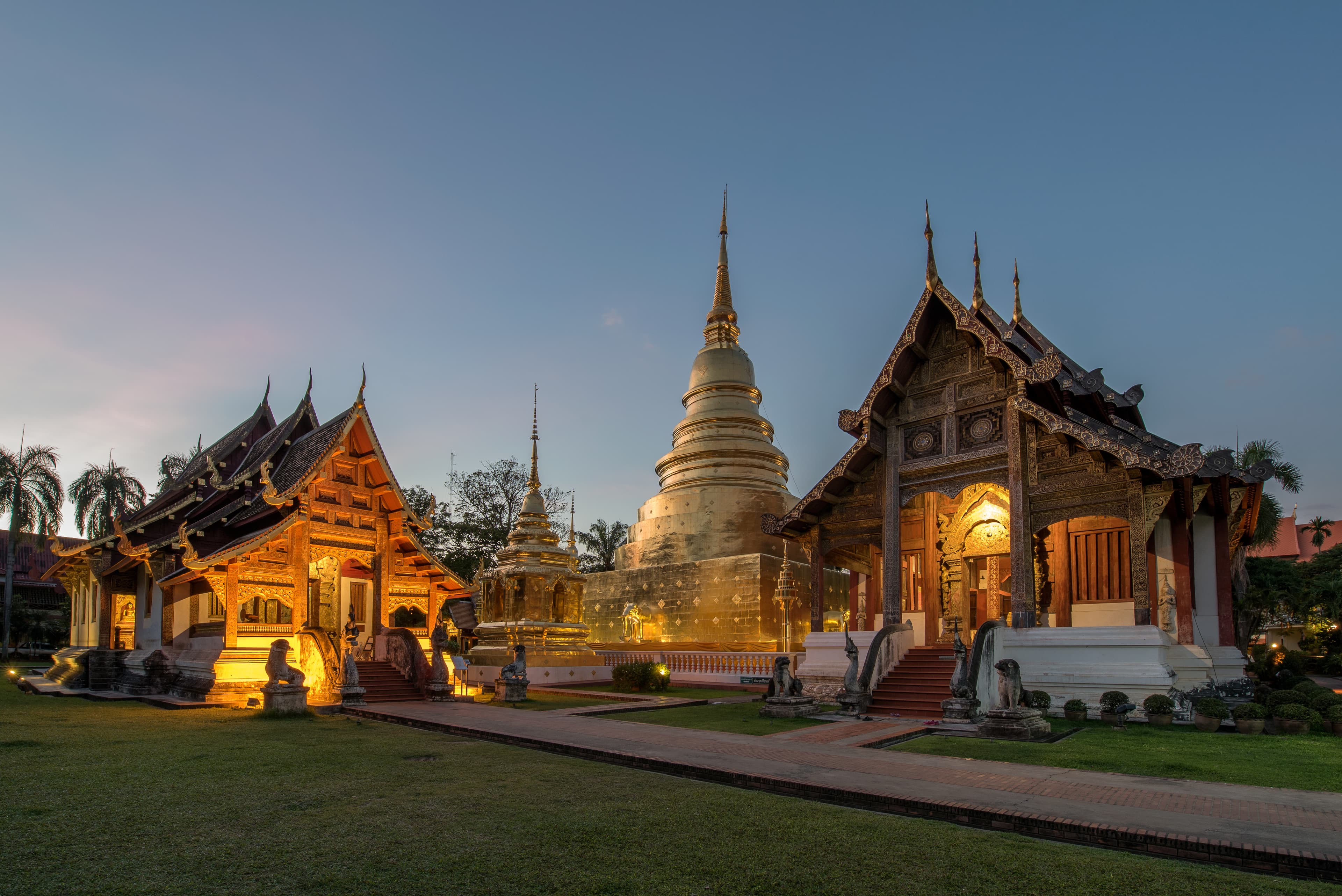
Thailand
91OVR
China
77OVR

Chiang Mai
Thailand
Lhasa
China
Chiang Mai
Lhasa
💰 Budget
🛡️ Safety
Chiang Mai
Chiang Mai is one of the safest cities in Southeast Asia for travelers. Violent crime against tourists is extremely rare, though petty theft and scams exist. The biggest health concern is air quality during burning season (February-April).
Lhasa
Violent crime against foreign tourists in Lhasa is extremely rare — the city is heavily policed and tour operators are responsible for their clients. The primary risks are altitude sickness (which can be life-threatening), intense UV at 3,656 m, and the unusual constraints of travelling in a politically sensitive region where photography of security personnel, any political statement, or any mention of the Dalai Lama in public can cause serious problems for your Tibetan guide and operator, even if not directly for you.
⭐ Ratings
🌤️ Weather
Chiang Mai
Chiang Mai has a tropical savanna climate with three distinct seasons: hot, rainy, and cool. The city sits in a valley which traps heat and, unfortunately, smoke during the burning season (February-April).
Lhasa
Lhasa is classified as a high-altitude semi-arid plateau climate — thin, dry air year-round with over 3,000 hours of sunshine annually (one of the sunniest cities in China). Daytime is warm in summer and cold but sunny in winter; nights are always cold because of the altitude. The monsoon brushes the plateau in July and August, bringing short afternoon showers but rarely all-day rain, making Tibet considerably drier than the Himalayan regions to the south. Wind and UV are intense year-round at this elevation.
🚇 Getting Around
Chiang Mai
Chiang Mai lacks a metro or rail system, so getting around relies on songthaews (red shared trucks), tuk-tuks, Grab ride-hailing, and rented scooters. The Old City is compact enough to walk or cycle. The city is currently building a light rail system planned for future years.
Walkability: The Old City is very walkable — roughly 1.5 km on each side — and most major temples are within easy walking distance of each other. The Nimmanhaemin area is also pedestrian-friendly. Beyond these areas, distances grow and motorized transport is needed.
Lhasa
Lhasa is small and manageable — the old town around the Jokhang and Barkhor is entirely walkable, and most tour itineraries use a private vehicle with your assigned driver and guide for the outlying monasteries (Sera, Drepung, Norbulingka, Potala). Independent public transport is possible within Lhasa city itself for short distances, but no foreign tourist should be taking long-distance buses or taxis alone — your Tibet Travel Permit requires you to be with your guide for essentially all sightseeing.
Walkability: The old Tibetan quarter around the Jokhang is wonderfully walkable — narrow whitewashed lanes, prayer-wheel corridors, and a flat grid you can cover in a morning. The Potala, Norbulingka, Sera, and Drepung are all too far to walk and sit at awkward angles from the centre; your tour vehicle or a taxi is required. Altitude makes walking feel slower than it looks on a map for the first 48 hours.
The Verdict
Choose Chiang Mai if...
you want northern Thailand's temple city — Doi Suthep sunsets, Sunday Walking Street, ethical elephant sanctuaries, and Songkran soaked to the bone
Choose Lhasa if...
you want Tibetan Buddhism's holiest city at 3,656m — Potala Palace, Jokhang Temple, Barkhor kora, and the world's highest railway — requires Tibet Travel Permit
Chiang Mai