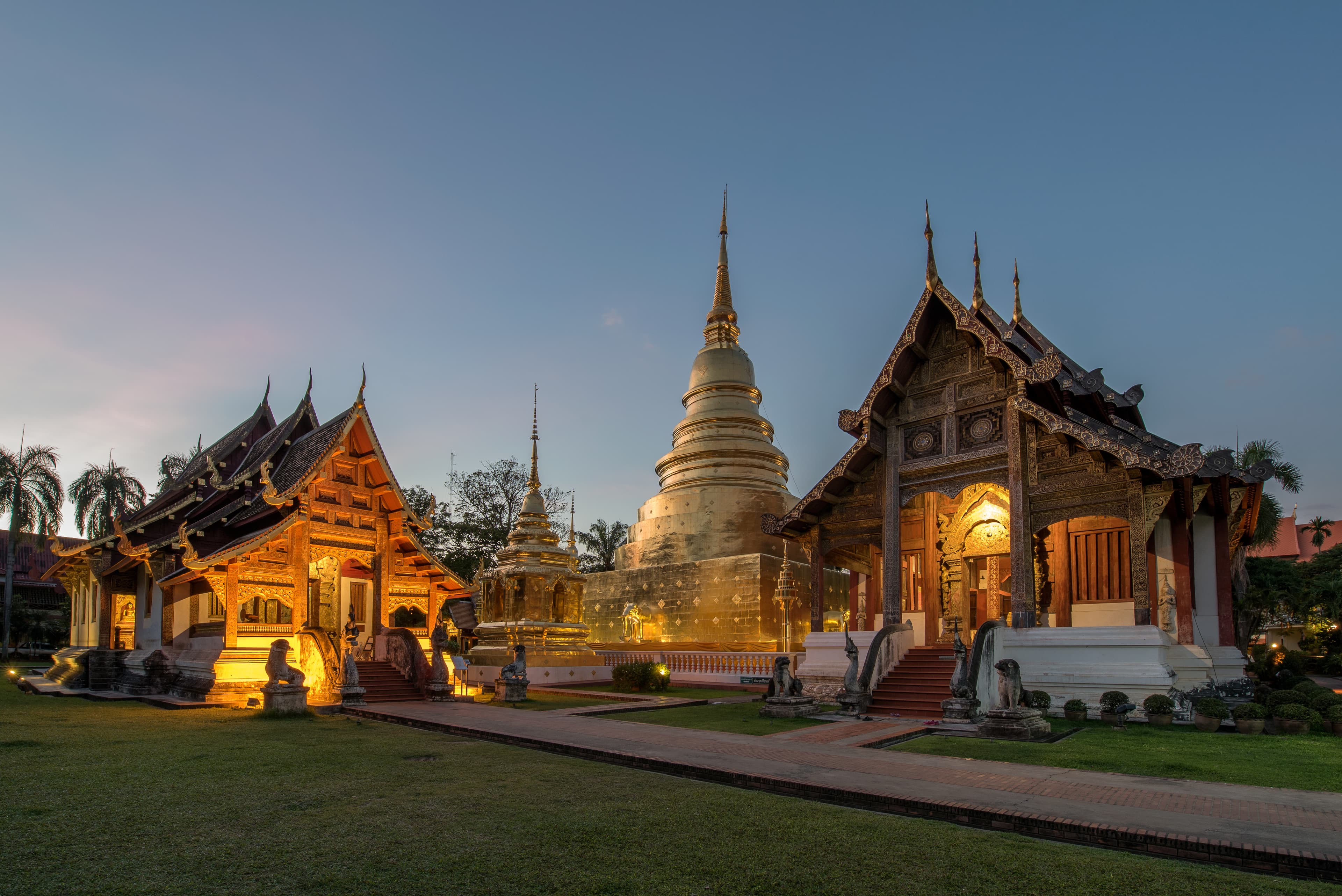
Chiang Mai
Thailand

Osaka
Japan
Chiang Mai
Osaka
💰 Budget
🛡️ Safety
Chiang Mai
Chiang Mai is one of the safest cities in Southeast Asia for travelers. Violent crime against tourists is extremely rare, though petty theft and scams exist. The biggest health concern is air quality during burning season (February-April).
Osaka
Osaka is extremely safe by global standards. Violent crime against tourists is virtually unheard of and even petty theft is rare. Japan's culture of honesty means lost items are frequently returned. The biggest risks are natural disasters (typhoons and earthquakes) and cycling accidents.
⭐ Ratings
🌤️ Weather
Chiang Mai
Chiang Mai has a tropical savanna climate with three distinct seasons: hot, rainy, and cool. The city sits in a valley which traps heat and, unfortunately, smoke during the burning season (February-April).
Osaka
Osaka has a humid subtropical climate with four distinct seasons. Summers are hot and humid with temperatures exceeding 35 degrees Celsius, while winters are mild but damp. The rainy season (tsuyu) runs from early June to mid-July. Cherry blossom season in late March to early April is the most popular time to visit.
🚇 Getting Around
Chiang Mai
Chiang Mai lacks a metro or rail system, so getting around relies on songthaews (red shared trucks), tuk-tuks, Grab ride-hailing, and rented scooters. The Old City is compact enough to walk or cycle. The city is currently building a light rail system planned for future years.
Walkability: The Old City is very walkable — roughly 1.5 km on each side — and most major temples are within easy walking distance of each other. The Nimmanhaemin area is also pedestrian-friendly. Beyond these areas, distances grow and motorized transport is needed.
Osaka
Osaka has an extensive rail and subway network operated by multiple companies (JR West, Osaka Metro, Hankyu, Hanshin, Kintetsu, Nankai). An IC card (ICOCA or Suica) is essential. The system is punctual, clean, and reaches virtually everywhere you need to go.
Walkability: Osaka's main districts are very walkable. The Namba/Dotonbori/Shinsaibashi area can be explored entirely on foot, as can the Umeda underground shopping city. The Osaka Castle park area is pleasant for walking. Covered shopping arcades protect from rain.
The Verdict
Choose Chiang Mai if...
you want northern Thailand's temple city — Doi Suthep sunsets, Sunday Walking Street, ethical elephant sanctuaries, and Songkran soaked to the bone
Choose Osaka if...
you want Japan's kitchen — takoyaki and okonomiyaki in Dotonbori, Osaka Castle, Kuromon Market, and day-trips to Kyoto, Nara, and Kobe
Chiang Mai