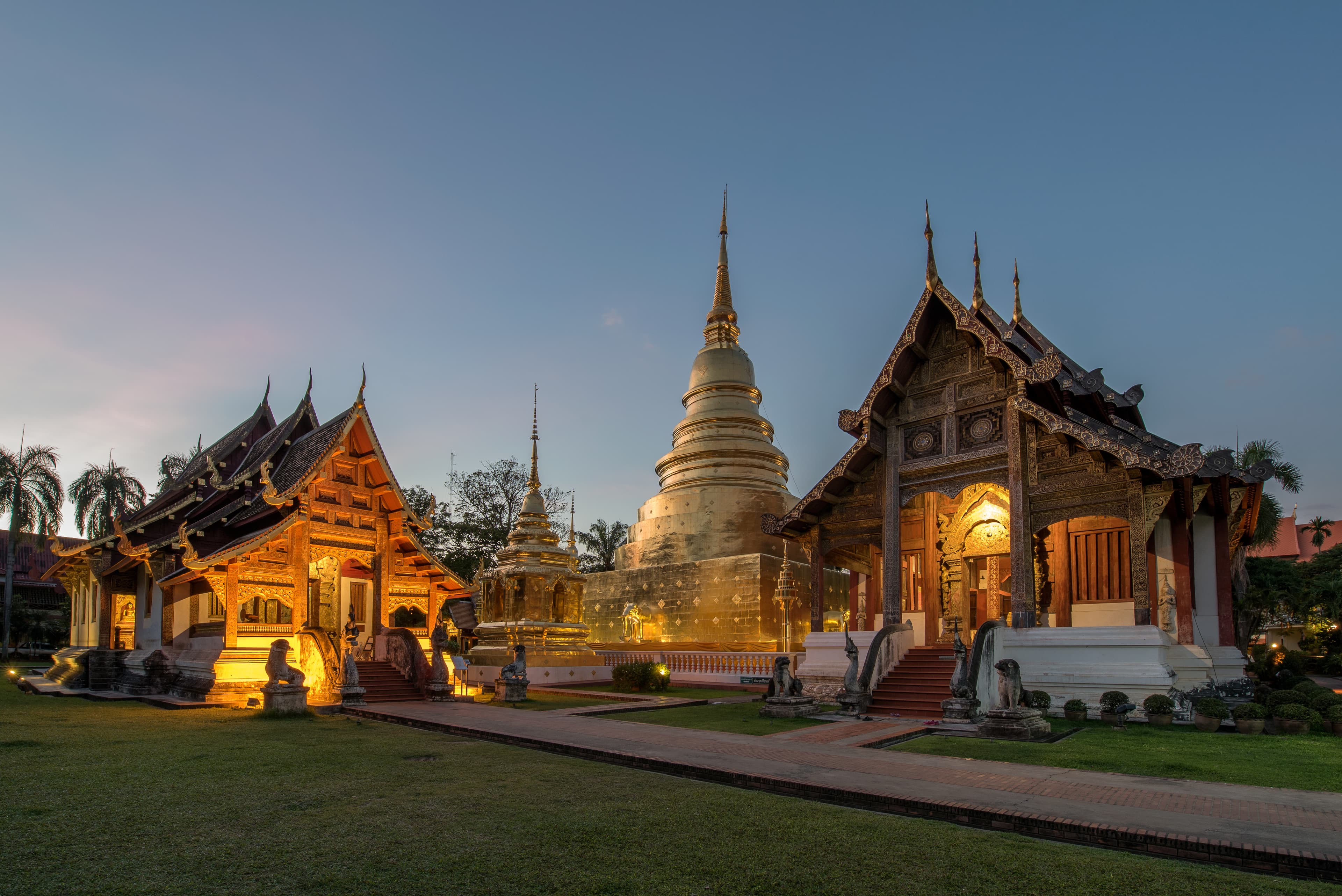
Chiang Mai
Thailand

Tashkent
Uzbekistan
Chiang Mai
Tashkent
💰 Budget
🛡️ Safety
Chiang Mai
Chiang Mai is one of the safest cities in Southeast Asia for travelers. Violent crime against tourists is extremely rare, though petty theft and scams exist. The biggest health concern is air quality during burning season (February-April).
Tashkent
Tashkent is generally safe for tourists with low violent crime. Petty theft can occur in crowded bazaars and on public transport. Police presence is heavy and checkpoints exist, so always carry your passport or a copy.
⭐ Ratings
🌤️ Weather
Chiang Mai
Chiang Mai has a tropical savanna climate with three distinct seasons: hot, rainy, and cool. The city sits in a valley which traps heat and, unfortunately, smoke during the burning season (February-April).
Tashkent
Tashkent has a continental climate with hot, dry summers and cold winters. Spring and autumn are the most pleasant times to visit.
🚇 Getting Around
Chiang Mai
Chiang Mai lacks a metro or rail system, so getting around relies on songthaews (red shared trucks), tuk-tuks, Grab ride-hailing, and rented scooters. The Old City is compact enough to walk or cycle. The city is currently building a light rail system planned for future years.
Walkability: The Old City is very walkable — roughly 1.5 km on each side — and most major temples are within easy walking distance of each other. The Nimmanhaemin area is also pedestrian-friendly. Beyond these areas, distances grow and motorized transport is needed.
Tashkent
Tashkent has an efficient metro system and affordable ride-hailing. The city is spread out, so walking between major sights requires planning.
Walkability: Moderate — the old city area around Chorsu is walkable, but major sights are spread across the city. Wide Soviet-era boulevards can make walking distances deceptive.
The Verdict
Choose Chiang Mai if...
you want northern Thailand's temple city — Doi Suthep sunsets, Sunday Walking Street, ethical elephant sanctuaries, and Songkran soaked to the bone
Choose Tashkent if...
you want Central Asia's modern hub — Soviet-era metro art stations, Chorsu Bazaar, Khast Imam, and high-speed Afrosiyob trains to Samarkand
Chiang Mai
Tashkent