🏆 Chiang Mai wins 91 OVR vs 77 · attribute matchup 8–0
Thailand
91OVR
Mongolia
77OVR

Chiang Mai
Thailand
Ulaanbaatar
Mongolia
Chiang Mai
Ulaanbaatar
💰 Budget
🛡️ Safety
Chiang Mai
Chiang Mai is one of the safest cities in Southeast Asia for travelers. Violent crime against tourists is extremely rare, though petty theft and scams exist. The biggest health concern is air quality during burning season (February-April).
Ulaanbaatar
Ulaanbaatar is generally safe for tourists, with violent crime against foreigners rare. The primary concerns are pickpocketing in crowded areas (Naran Tuul, State Department Store, metro-era bus stations), traffic — UB has some of the most aggressive and congested driving in Asia — and winter air pollution, which reaches hazardous levels November through February. Rural travel is extremely safe in terms of crime but demands serious preparation for weather and isolation.
⭐ Ratings
🌤️ Weather
Chiang Mai
Chiang Mai has a tropical savanna climate with three distinct seasons: hot, rainy, and cool. The city sits in a valley which traps heat and, unfortunately, smoke during the burning season (February-April).
Ulaanbaatar
Ulaanbaatar has one of the most extreme continental climates of any capital on Earth — short, pleasant summers and long, brutal winters with temperatures routinely below -30°C. Elevation (1,350 m), inland location, and Siberian-air dominance combine to produce January averages colder than Anchorage or Reykjavik. The tourist window is essentially June through mid-September; Naadam in mid-July is the festival peak.
🚇 Getting Around
Chiang Mai
Chiang Mai lacks a metro or rail system, so getting around relies on songthaews (red shared trucks), tuk-tuks, Grab ride-hailing, and rented scooters. The Old City is compact enough to walk or cycle. The city is currently building a light rail system planned for future years.
Walkability: The Old City is very walkable — roughly 1.5 km on each side — and most major temples are within easy walking distance of each other. The Nimmanhaemin area is also pedestrian-friendly. Beyond these areas, distances grow and motorized transport is needed.
Ulaanbaatar
Ulaanbaatar has no metro — a long-discussed system remains unbuilt — and the city is served by buses, trolleybuses, and an explosion of ride-hailing cars. Traffic congestion is legendary; the downtown grid clogs solid in the 8-9 am and 5-7 pm peaks. The city centre (Sükhbaatar Square, museums, Gandan Monastery) is walkable in fair weather, but ride-hailing is the practical default for most tourist journeys.
Walkability: The central 1–2 km grid around Sükhbaatar Square is comfortably walkable in summer. Beyond the core, distances become impractical on foot — Zaisan is 4 km south, Gandan is a 25-minute walk from the square, and the airport or Terelj require vehicles. Winter drops walkability to near zero for anyone without heavy boots and windproof layers.
The Verdict
Choose Chiang Mai if...
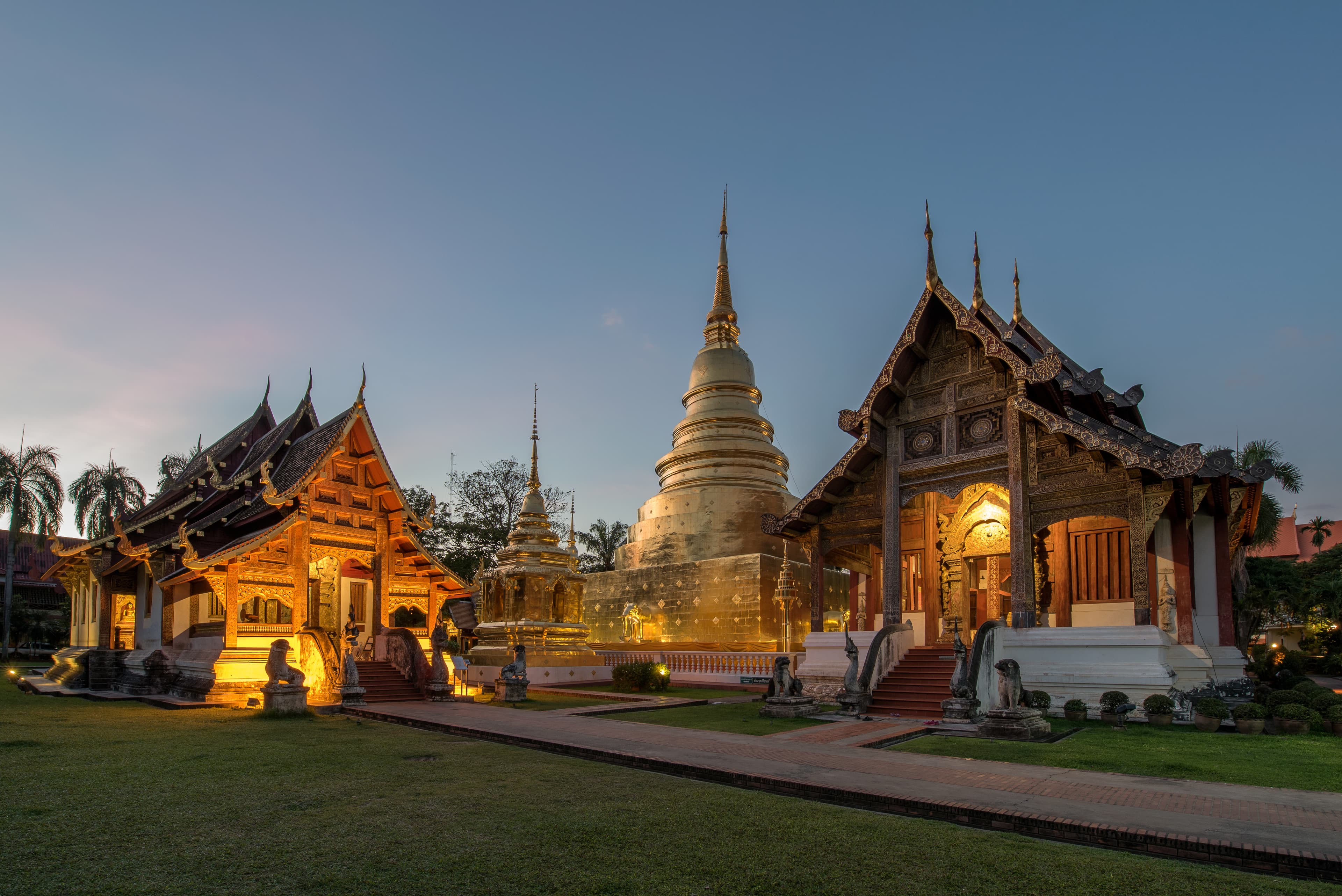
you want northern Thailand's temple city — Doi Suthep sunsets, Sunday Walking Street, ethical elephant sanctuaries, and Songkran soaked to the bone
Choose Ulaanbaatar if...
you want Chinggis Khaan's legacy — Gandan Monastery, the 40m Chinggis Equestrian Statue, Gorkhi-Terelj ger camps, and the Gobi gateway
Chiang Mai
Ulaanbaatar