🏆 New Orleans wins 81 OVR vs 68 · attribute matchup 2–6

United States
68OVR
United States
81OVR
Denali National Park
United States
New Orleans
United States
Denali National Park
New Orleans
💰 Budget
🛡️ Safety
Denali National Park
Denali is extremely safe from a crime perspective — violent crime is essentially nonexistent and the gateway strip is small and transient. The real hazards are environmental: grizzly bears, moose (which injure more visitors than bears), hypothermia in unpredictable mountain weather, river crossings in the backcountry, and altitude if you are attempting the mountain itself. Help can be hours away inside the park. Respect wildlife distances, never store food outside a bear locker, and always tell someone your backcountry plan.
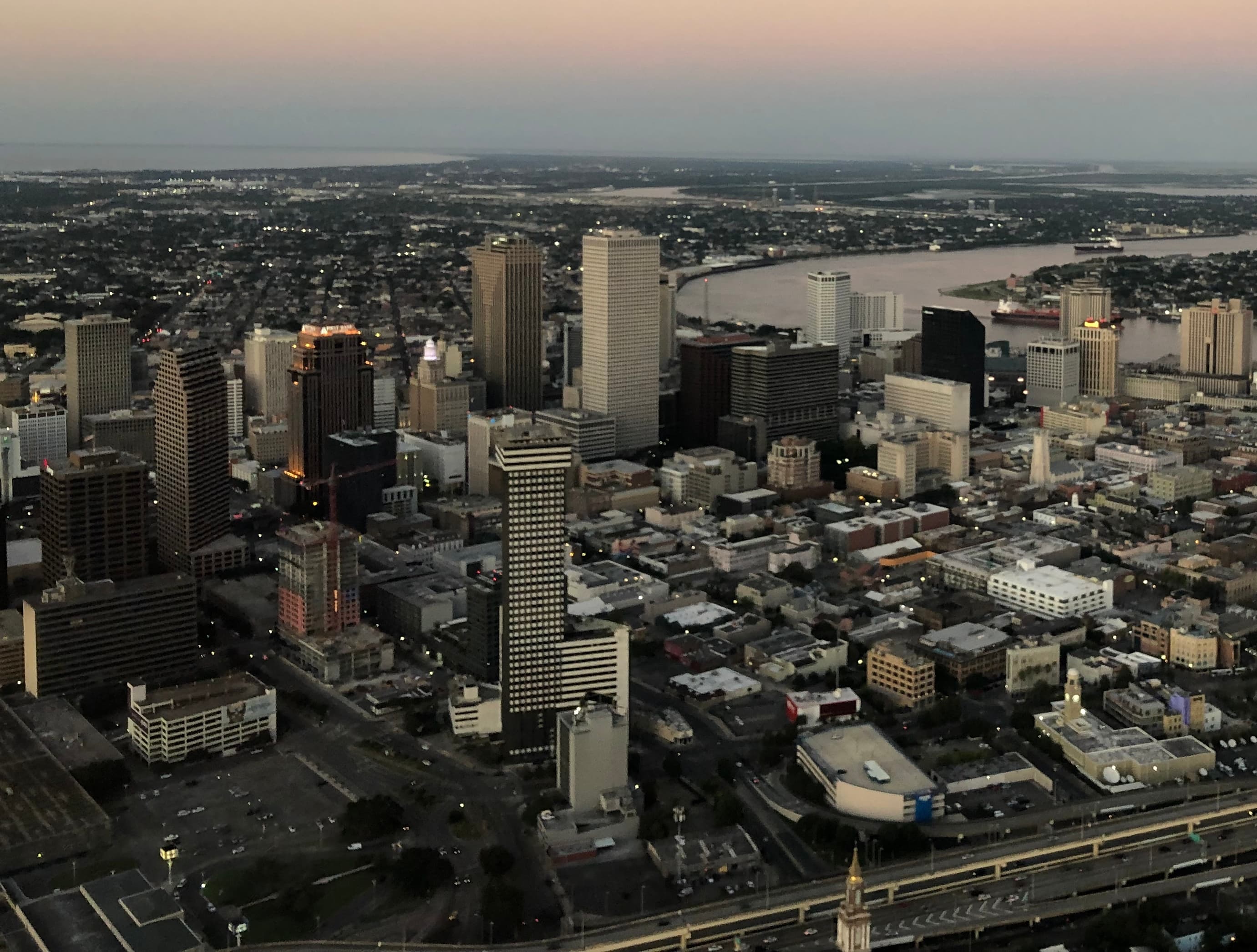
New Orleans
New Orleans has higher violent crime rates than most US tourist cities, but crime is heavily concentrated in specific neighborhoods. Tourist areas (French Quarter during day, Garden District, Warehouse District, Frenchmen Street) are generally safe. Pickpocketing and phone theft on Bourbon Street are common. After-hours crime spikes outside these zones.
⭐ Ratings
🌤️ Weather
Denali National Park
Denali has a severe subarctic continental climate — long frigid winters, brief warm summers, extreme day-night light swings, and the mountain's own microclimate that generates storms independent of surrounding weather. The park is only open to significant visitor traffic from late May through mid-September. Even in July, expect temperatures ranging from near freezing at night to 70°F afternoons, and always pack rain gear and warm layers regardless of the forecast.
New Orleans
New Orleans has a humid subtropical climate — hot and sticky for most of the year, with short, mild winters. Summer humidity is famously oppressive, and afternoon thunderstorms are near-daily from June through September. Hurricane season runs June through November.
🚇 Getting Around
Denali National Park
Denali is almost entirely a park-bus destination. Private vehicles are allowed only to Mile 15 (Savage River) — beyond that, everyone rides the green transit buses or tan tour buses. Combined with the fact that the Park Road is closed beyond Mile 43 as of the 2026 season due to the Pretty Rocks landslide, planning transportation around Denali is straightforward but requires reservations. Outside the park, a rental car is the most flexible way to reach Talkeetna, Healy, and state-park hikes, but the Alaska Railroad is a superb alternative between Anchorage, Talkeetna, Denali, and Fairbanks.
Walkability: The park entrance area is compact and walkable between the Visitor Center, Wilderness Access Center, Riley Creek Campground, and a handful of lodges — most distances are under a mile. Nenana Canyon / Glitter Gulch hotels are slightly further and the free shuttle links them. Inside the park beyond Mile 15, walkability is off-trail tundra hiking only — there are very few maintained trails deep in the park, by design.
New Orleans
New Orleans is compact and walkable in its tourist core. The Regional Transit Authority (RTA) runs historic streetcars, buses, and ferries. A Jazzy Pass offers unlimited rides. Driving downtown is difficult — streets are narrow, parking is scarce and expensive, and the one-way grid is confusing.
Walkability: The French Quarter, Marigny, CBD, and Warehouse District are highly walkable. The Garden District, Bywater, and Mid-City are walkable once you've arrived, but you'll want a streetcar or rideshare to get between districts. Sidewalks in the Quarter can be uneven — watch for broken flagstones, especially at night.
The Verdict
Choose Denali National Park if...
you want North America's tallest peak — the 30 Percent Club, Park Road wildlife buses, Talkeetna flightseeing, and Alaska Railroad's Denali Star
Choose New Orleans if...
you want America's most culturally distinct city — Creole and Cajun food, jazz on Frenchmen Street, and French Quarter magic
Denali National Park
New Orleans