
Denver
United States
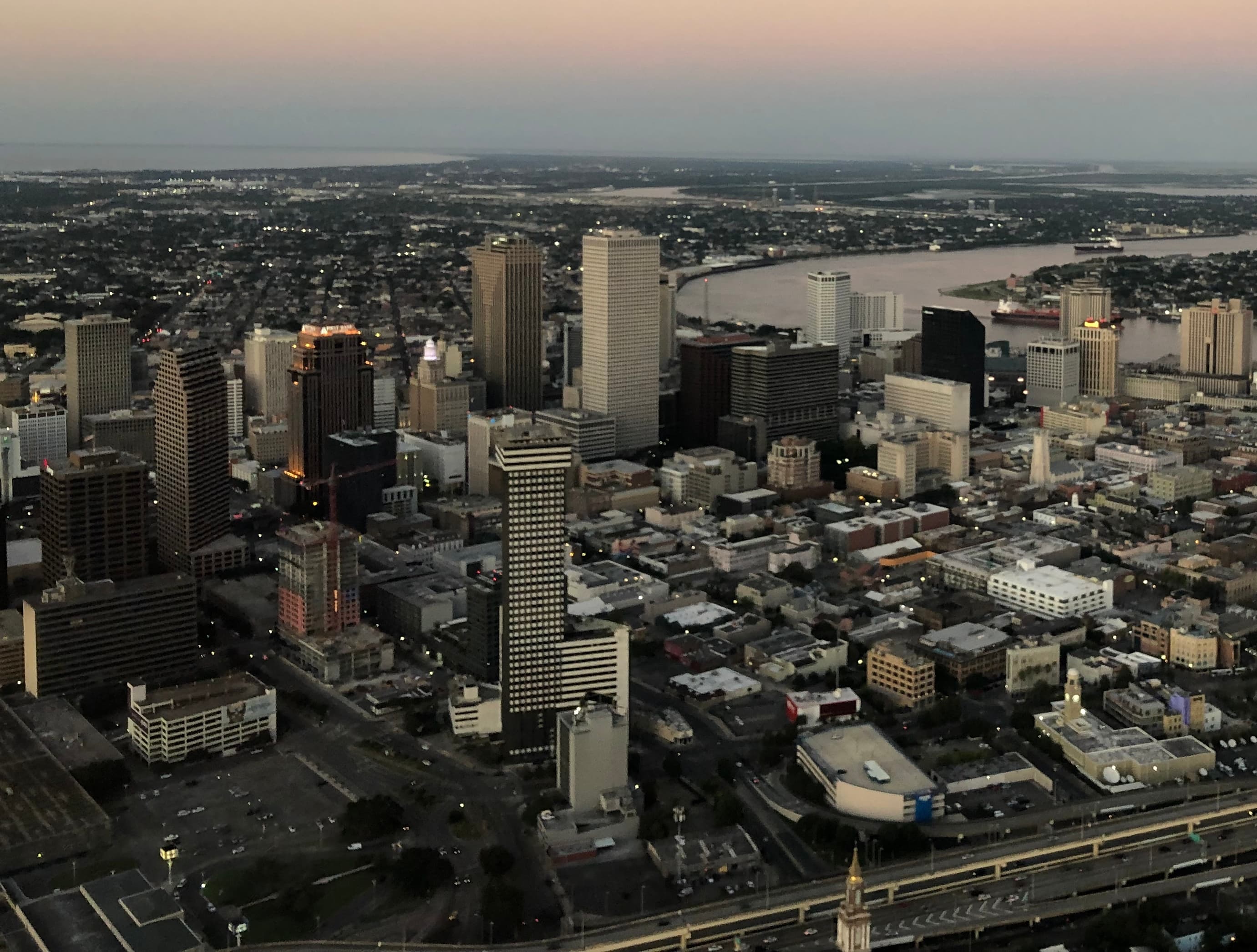
New Orleans
United States
Denver
New Orleans
💰 Budget
🛡️ Safety
Denver
Denver is generally safe for visitors in core neighborhoods (LoDo, RiNo, Capitol Hill, Cherry Creek, Wash Park), but property crime and visible homelessness have both risen sharply since 2020. Car break-ins are extremely common — never leave anything visible. The 16th Street Mall and stretches of Colfax Avenue have a rougher feel at night. The bigger danger for most travelers is environmental: altitude, sun, and weather catch visitors off guard.
New Orleans
New Orleans has higher violent crime rates than most US tourist cities, but crime is heavily concentrated in specific neighborhoods. Tourist areas (French Quarter during day, Garden District, Warehouse District, Frenchmen Street) are generally safe. Pickpocketing and phone theft on Bourbon Street are common. After-hours crime spikes outside these zones.
⭐ Ratings
🌤️ Weather
Denver
Denver has a semi-arid, high-altitude climate with 300+ days of sunshine a year and very low humidity. The altitude and dry air make the sun intense — UV levels are routinely "very high" even in winter. Weather is famously volatile: 70°F one afternoon and snowing the next morning is standard. Afternoon thunderstorms roll off the Front Range most summer days; big snowstorms punctuate winter. Hydrate aggressively regardless of the season — the combination of altitude and dry air dehydrates visitors fast.
New Orleans
New Orleans has a humid subtropical climate — hot and sticky for most of the year, with short, mild winters. Summer humidity is famously oppressive, and afternoon thunderstorms are near-daily from June through September. Hurricane season runs June through November.
🚇 Getting Around
Denver
Denver is a sprawling car-oriented metro with a workable (by US standards) light rail and commuter rail network operated by RTD. The A Line train from Union Station to the airport is one of the best airport transit links in any US city. Core neighborhoods (LoDo, RiNo, Capitol Hill, Wash Park) are walkable individually, but connecting them typically means rideshare or transit. Rideshare is cheap and ubiquitous.
Walkability: Denver is walkable within neighborhoods but sprawling overall. LoDo, RiNo, Capitol Hill, Cherry Creek, and Wash Park each work on foot. Connecting them means rideshare, transit, or cycling. The altitude makes the first 24-48 hours of walking unexpectedly tiring — go slower than you think you should. Summer sun at 5,280 ft is aggressive even in cooler temperatures.
New Orleans
New Orleans is compact and walkable in its tourist core. The Regional Transit Authority (RTA) runs historic streetcars, buses, and ferries. A Jazzy Pass offers unlimited rides. Driving downtown is difficult — streets are narrow, parking is scarce and expensive, and the one-way grid is confusing.
Walkability: The French Quarter, Marigny, CBD, and Warehouse District are highly walkable. The Garden District, Bywater, and Mid-City are walkable once you've arrived, but you'll want a streetcar or rideshare to get between districts. Sidewalks in the Quarter can be uneven — watch for broken flagstones, especially at night.
The Verdict
Choose Denver if...
you want a mile-high Rockies gateway — breweries, legal cannabis, Red Rocks, and ski towns an hour west
Choose New Orleans if...
you want America's most culturally distinct city — Creole and Cajun food, jazz on Frenchmen Street, and French Quarter magic
New Orleans