
Denver
United States
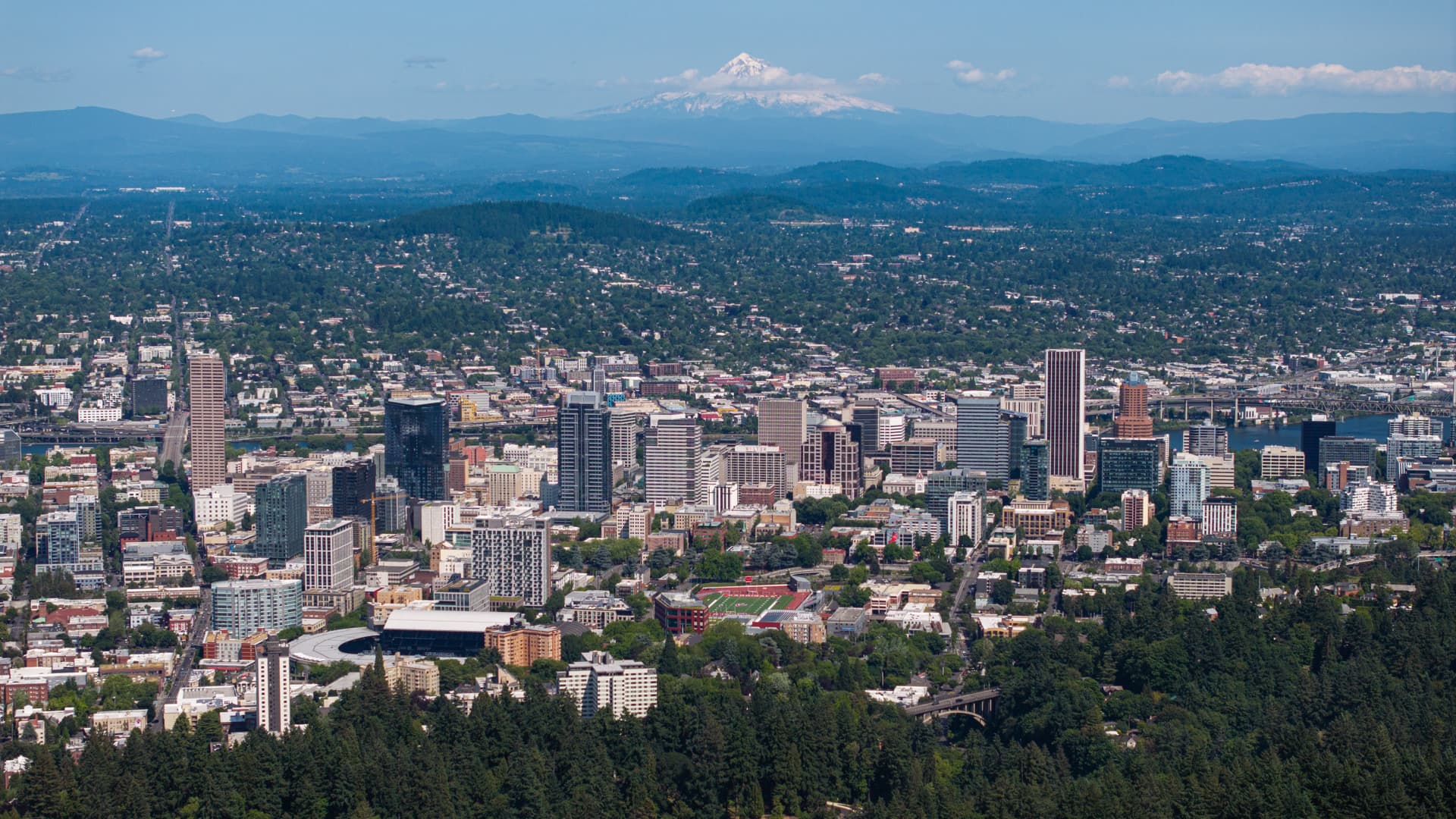
Portland
United States
Denver
Portland
💰 Budget
🛡️ Safety
Denver
Denver is generally safe for visitors in core neighborhoods (LoDo, RiNo, Capitol Hill, Cherry Creek, Wash Park), but property crime and visible homelessness have both risen sharply since 2020. Car break-ins are extremely common — never leave anything visible. The 16th Street Mall and stretches of Colfax Avenue have a rougher feel at night. The bigger danger for most travelers is environmental: altitude, sun, and weather catch visitors off guard.
Portland
Portland is generally safe for tourists but the city has genuinely struggled since 2020. Downtown and Old Town lost considerable foot traffic, and visible homelessness and open drug use are more apparent than in most American cities. West side neighborhoods (Pearl, Nob Hill/NW 23rd, Washington Park) and most east side neighborhoods (Hawthorne, Division, Alberta, Mississippi) feel comfortable day and night. Downtown is improving in 2025-2026 but still patchy after dark.
⭐ Ratings
🌤️ Weather
Denver
Denver has a semi-arid, high-altitude climate with 300+ days of sunshine a year and very low humidity. The altitude and dry air make the sun intense — UV levels are routinely "very high" even in winter. Weather is famously volatile: 70°F one afternoon and snowing the next morning is standard. Afternoon thunderstorms roll off the Front Range most summer days; big snowstorms punctuate winter. Hydrate aggressively regardless of the season — the combination of altitude and dry air dehydrates visitors fast.
Portland
Portland has a cool marine climate — famously rainy, but not in the way visitors expect. The rain is a persistent drizzle, not heavy downpours. Portland actually receives less annual rainfall (about 36 inches) than New York or Houston, but it is spread over 150+ rainy days from October through May. Summers (July through September) are gloriously dry, sunny, and warm. Winter brings occasional snow that typically melts within a day or two.
🚇 Getting Around
Denver
Denver is a sprawling car-oriented metro with a workable (by US standards) light rail and commuter rail network operated by RTD. The A Line train from Union Station to the airport is one of the best airport transit links in any US city. Core neighborhoods (LoDo, RiNo, Capitol Hill, Wash Park) are walkable individually, but connecting them typically means rideshare or transit. Rideshare is cheap and ubiquitous.
Walkability: Denver is walkable within neighborhoods but sprawling overall. LoDo, RiNo, Capitol Hill, Cherry Creek, and Wash Park each work on foot. Connecting them means rideshare, transit, or cycling. The altitude makes the first 24-48 hours of walking unexpectedly tiring — go slower than you think you should. Summer sun at 5,280 ft is aggressive even in cooler temperatures.
Portland
Portland has the most useful public transit of any city its size on the West Coast. MAX light rail (5 lines) connects the airport, downtown, and key suburbs. The Portland Streetcar loops through downtown, the Pearl, and east side neighborhoods. TriMet buses fill in the gaps. Within individual neighborhoods — Pearl, Hawthorne, Alberta, Mississippi, NW 23rd — walking is the right answer. Portland is also one of the best US cycling cities with protected lanes and a cyclists-first culture.
Walkability: Portland is one of the most walkable large cities in the American West — grid-patterned, flat on the east side, and most interesting neighborhoods (Pearl, NW 23rd, Hawthorne, Division, Alberta, Mississippi, Belmont) have dense commercial strips. Downtown blocks are short (only 200 ft) which makes walking feel quicker. Expect rain 9 months of the year — a good waterproof shell is more useful than an umbrella in the Portland wind.
The Verdict
Choose Denver if...
you want a mile-high Rockies gateway — breweries, legal cannabis, Red Rocks, and ski towns an hour west
Choose Portland if...
you want craft beer everywhere, no sales tax, food carts, Powell's Books, and the Cascades plus Coast at the doorstep
Portland