
Denver
United States
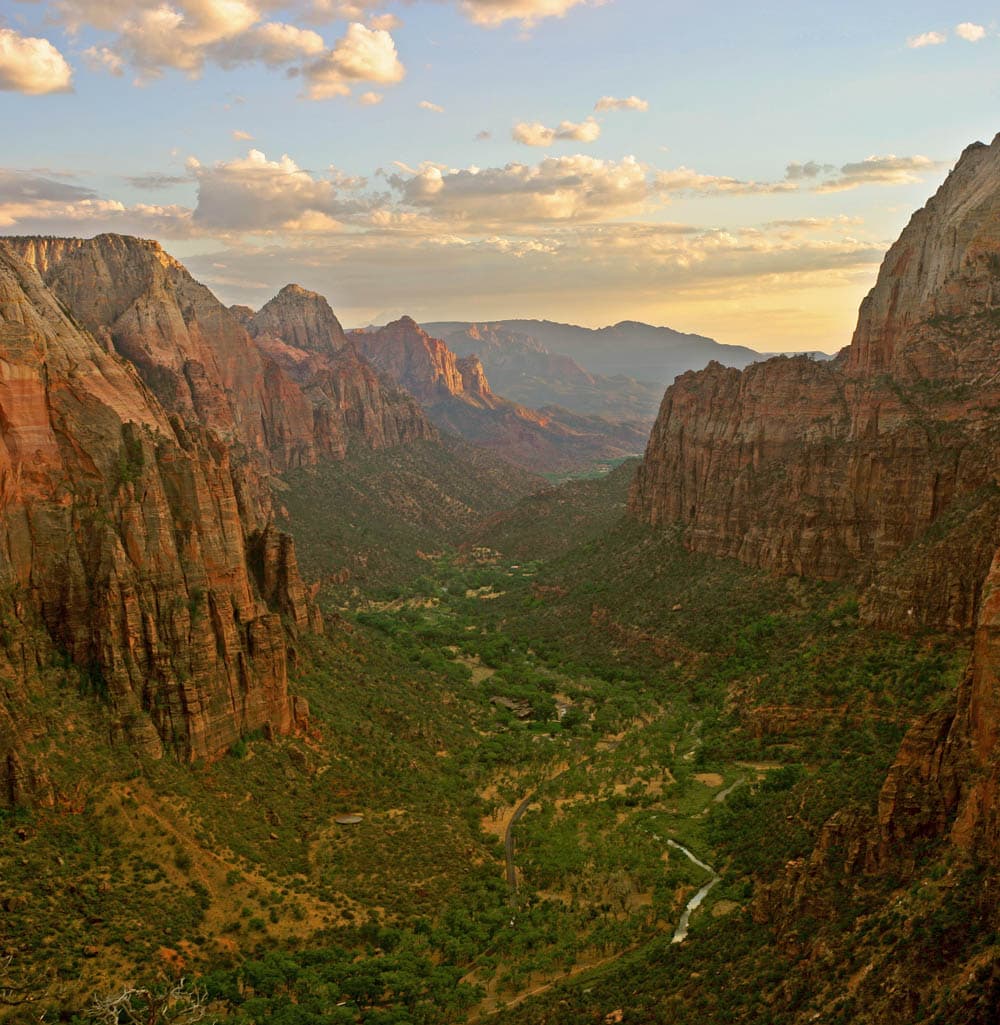
Zion National Park
United States
Denver
Zion National Park
💰 Budget
🛡️ Safety
Denver
Denver is generally safe for visitors in core neighborhoods (LoDo, RiNo, Capitol Hill, Cherry Creek, Wash Park), but property crime and visible homelessness have both risen sharply since 2020. Car break-ins are extremely common — never leave anything visible. The 16th Street Mall and stretches of Colfax Avenue have a rougher feel at night. The bigger danger for most travelers is environmental: altitude, sun, and weather catch visitors off guard.
Zion National Park
Crime at Zion is a non-issue — the real hazards are natural and they kill people every year. Flash floods, falls from Angels Landing, heat illness, hypothermia in the Narrows, and dehydration are the big five. The single most important pre-hike habit: check the NPS flash flood forecast at the visitor center or nps.gov/zion before ANY slot canyon or Narrows trip. "Probable" or "Expected" risk means do not enter — a storm 10 miles upstream can kill you even in bright sunshine at the trailhead.
⭐ Ratings
🌤️ Weather
Denver
Denver has a semi-arid, high-altitude climate with 300+ days of sunshine a year and very low humidity. The altitude and dry air make the sun intense — UV levels are routinely "very high" even in winter. Weather is famously volatile: 70°F one afternoon and snowing the next morning is standard. Afternoon thunderstorms roll off the Front Range most summer days; big snowstorms punctuate winter. Hydrate aggressively regardless of the season — the combination of altitude and dry air dehydrates visitors fast.
Zion National Park
Zion's desert climate is defined by vertical relief — the canyon floor sits at 4,000 feet while the rims reach 6,500+ feet, meaning conditions can differ by 5-10°C between stops on the same hike. Summer is brutally hot on exposed trails (35-40°C) with dangerous afternoon monsoon thunderstorms and flash flood potential in slot canyons. Winter brings ice on Angels Landing and snow on the rims, with the canyon floor hovering between 0-15°C. Spring and fall are the ideal windows. The Virgin River stays a bracing 10-15°C year-round — plan Narrows gear accordingly.
🚇 Getting Around
Denver
Denver is a sprawling car-oriented metro with a workable (by US standards) light rail and commuter rail network operated by RTD. The A Line train from Union Station to the airport is one of the best airport transit links in any US city. Core neighborhoods (LoDo, RiNo, Capitol Hill, Wash Park) are walkable individually, but connecting them typically means rideshare or transit. Rideshare is cheap and ubiquitous.
Walkability: Denver is walkable within neighborhoods but sprawling overall. LoDo, RiNo, Capitol Hill, Cherry Creek, and Wash Park each work on foot. Connecting them means rideshare, transit, or cycling. The altitude makes the first 24-48 hours of walking unexpectedly tiring — go slower than you think you should. Summer sun at 5,280 ft is aggressive even in cooler temperatures.
Zion National Park
Zion's transportation story is simple: the free park shuttle is MANDATORY on the Zion Canyon Scenic Drive April through late November — no private vehicles past Canyon Junction. The shuttle runs a 9-stop loop roughly every 10-15 minutes, takes about 45 minutes end-to-end, and stops at every major trailhead and viewpoint. Springdale (the gateway town) has its own free town shuttle connecting lodges, restaurants, and the park entrance. A private car is only useful on the main drive December through early March, for reaching Kolob Canyons (30 miles northwest, separate entrance), or for the Zion-Mt. Carmel Highway. There is no rideshare service inside the park.
Walkability: Springdale itself is extremely walkable — a linear town strung along Highway 9 with restaurants, outfitters, and lodges all within a mile of each other. Inside the park the shuttle handles the vertical distances; hiking trails are a mix of paved strolls (Riverside Walk, Pa'rus) and serious climbs (Angels Landing, Observation Point). Kolob Canyons has its own scenic drive and short trailheads but is not pedestrian-connected to the main canyon.
The Verdict
Choose Denver if...
you want a mile-high Rockies gateway — breweries, legal cannabis, Red Rocks, and ski towns an hour west
Choose Zion National Park if...
you want red-rock slot canyons, Angels Landing's permit-lottery ridge, and the Narrows waded up the Virgin River
Zion National Park