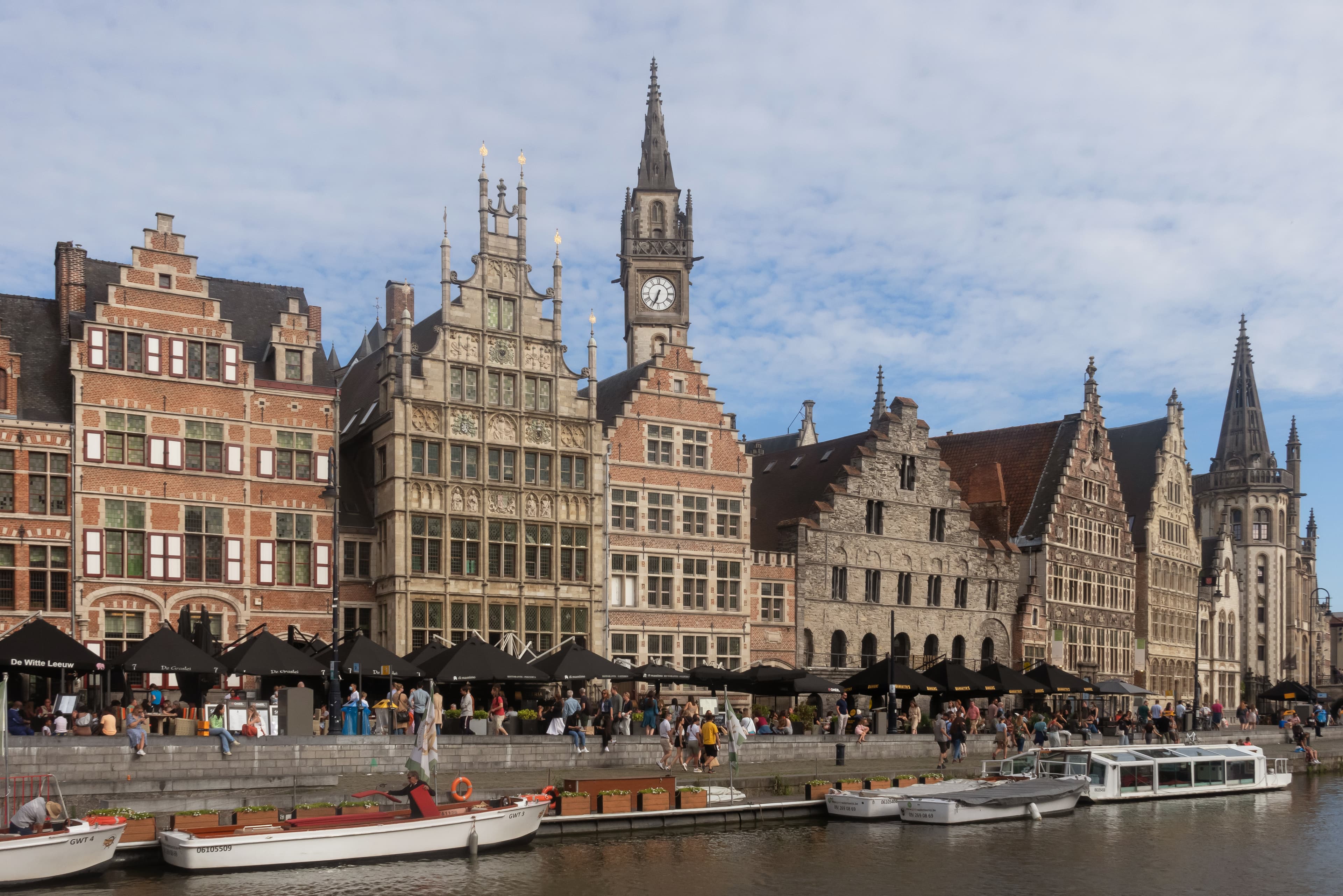
Ghent
Belgium

Oslo
Norway
Ghent
Oslo
💰 Budget
🛡️ Safety
Ghent
Ghent is a very safe city with a strong community feel. The large student population means the city is lively but not rough. Violent crime is extremely rare, and petty theft is less common than in Brussels or Antwerp. The city feels safe to walk at all hours.
Oslo
Oslo is one of the safest capital cities in the world. Violent crime against tourists is extremely rare and the city functions efficiently and honestly. The main nuisances are opportunistic pickpockets around Karl Johans gate and the central train station (Oslo S) area, and winter ice on sidewalks and harbor edges. The Vaterland and Grønland areas, east of Oslo S, are worth basic awareness at night but present no serious danger by any international standard.
⭐ Ratings
🌤️ Weather
Ghent
Ghent shares Bruges' maritime climate — mild year-round but frequently wet. Summers are pleasantly warm without extreme heat, winters are damp and cool. Rain is possible in every season, making layers and waterproofs essential. The city is beautiful in every weather.
Oslo
Oslo has a humid continental climate, though the Gulf Stream moderates temperatures considerably compared to other cities at the same latitude. Summers are genuinely warm and glorious, with up to 19 hours of daylight in June. Winters are cold and dark — only 6 hours of daylight in December — but snowfall and Christmas market season make them atmospheric. The aurora borealis (Northern Lights) is occasionally visible from Oslo on clear, dark winter nights, though you'll see them far better further north. Spring arrives late but emphatically; autumn is crisp and colorful.
🚇 Getting Around
Ghent
Ghent's historic center is very walkable, and the city has an excellent tram and bus network operated by De Lijn. Cycling is deeply embedded in Ghent's culture — it's the most common way locals get around. The car-free zone in the city center makes walking and cycling even more pleasant.
Walkability: Ghent's center has one of Belgium's largest car-free zones, making it exceptionally walkable. Sint-Baafsplein to Gravensteen is a 10-minute stroll. The entire medieval core is compact and easily covered on foot. Cobblestones are charming but tough on thin-soled shoes.
Oslo
Oslo has an excellent public transit system operated by Ruter, covering the T-bane (metro), tram, bus, commuter train, and harbor ferry lines under a single unified ticket. A single trip costs NOK 46 (~$4.25); a 24-hour day pass costs NOK 130 (~$12), and a 72-hour pass NOK 230 (~$21). The Oslo Pass (NOK 495/24h, NOK 695/48h, NOK 845/72h) includes unlimited Ruter transit plus free entry to most major museums — worth calculating based on your itinerary. The city center is compact and very walkable. Cycling is excellent and Oslo Bysykkel (city bikes) are available via app for NOK 49/month or NOK 49 per 45-minute trip.
Walkability: Oslo's city center is compact and extremely walkable. The Opera House, Akershus Fortress, Aker Brygge, Karl Johans gate, and the Royal Palace form a walkable central core within about 2.5 km. Vigeland Park is a comfortable 30-minute walk or 10-minute tram ride. Bygdøy peninsula requires a ferry or bus in summer. Holmenkollen requires the T-bane metro.
The Verdict
Choose Ghent if...
you want medieval canals and castles with a student-city vibe, plus all of Belgium's beer and chocolate without Bruges crowds
Choose Oslo if...
you want Nordic lifestyle at its most refined — harbor saunas, Vigeland's sculptures, the Bergen Railway, and no concern for your wallet