
Goa
India
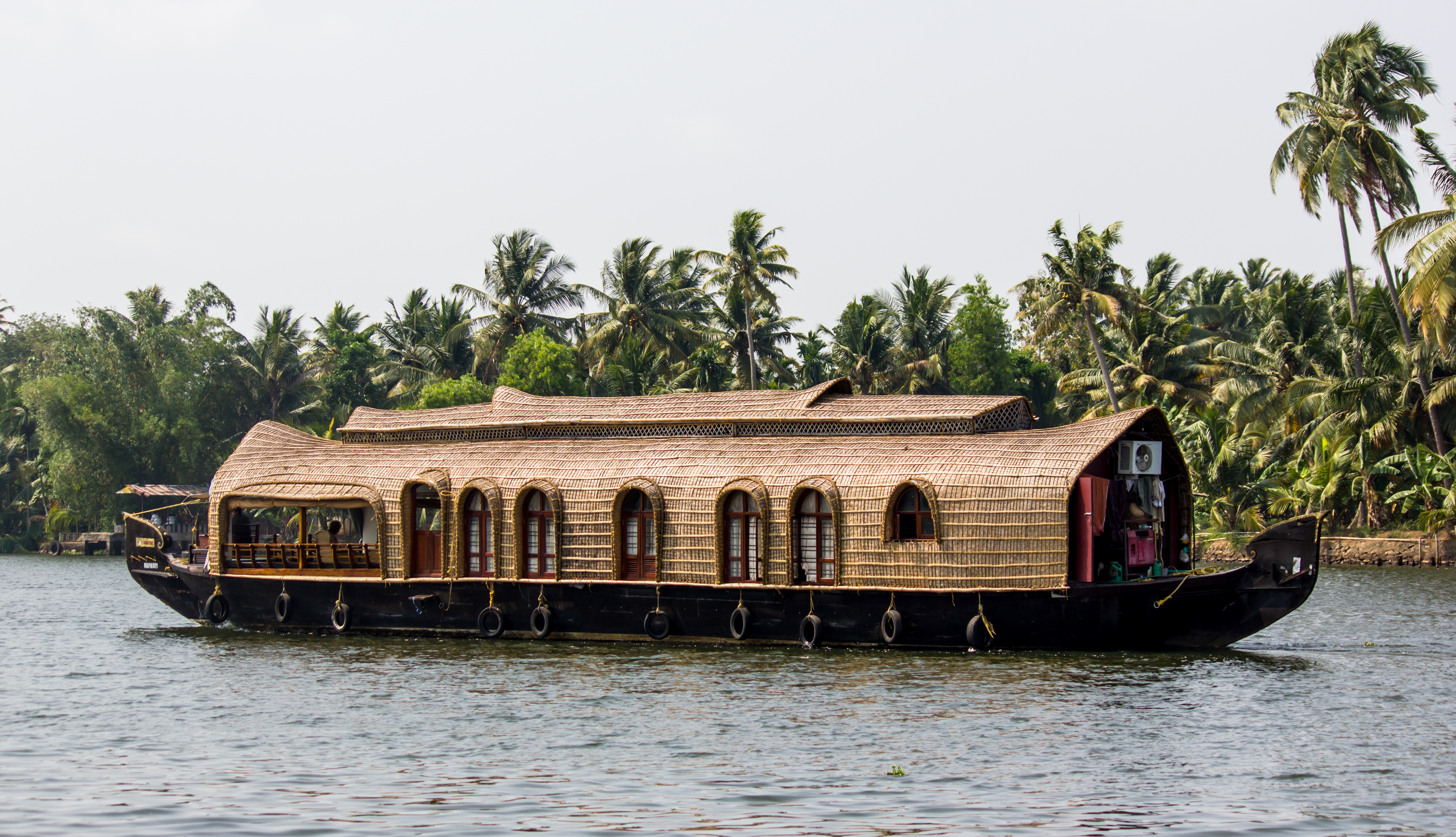
Kerala
India
Goa
Kerala
💰 Budget
🛡️ Safety
Goa
Goa is one of India's safest destinations for tourists. Violent crime is rare. The main concerns are petty theft on beaches, drink spiking at parties, road accidents on scooters, and strong ocean currents. Use common sense and Goa is very safe.
Kerala
Kerala is consistently rated among the safest states in India for tourists, including solo female travelers. Its high literacy rate, organized tourism infrastructure, and strong local governance contribute to a lower crime rate than most Indian states. The primary hazards are environmental — monsoon flooding, coastal currents, and wildlife in forested areas — rather than personal safety concerns.
⭐ Ratings
🌤️ Weather
Goa
Goa has a tropical monsoon climate. The dry season (November-May) is warm and sunny — perfect beach weather. The monsoon (June-September) brings torrential rain and rough seas, but also dramatic scenery, lush greenery, and the lowest prices. Most beach shacks and some hotels close during the monsoon.
Kerala
Kerala has a tropical climate governed by two monsoon cycles. The southwest monsoon (June-September) is the heaviest in mainland India, bringing thunderous daily rainfall, high humidity, and a dramatic transformation of the landscape into intense green. The northeast monsoon (October-November) brings lighter rains to the south. December to February is the dry, mild peak tourist season. Kerala's highland areas (Munnar, Wayanad) are significantly cooler year-round.
🚇 Getting Around
Goa
Goa has no metro or reliable public bus system for tourists. Scooter/motorcycle rental is the most popular and practical way to get around — it gives you freedom to explore beaches, villages, and backroads. Taxis and ride-hailing apps are alternatives, and ferries cross major rivers.
Walkability: Individual beaches and villages are walkable, but Goa is too spread out to walk between destinations. Beach promenades in Calangute-Baga and Palolem are pleasant walks. Panaji's Fontainhas quarter and Old Goa churches are walkable areas. Between beaches and towns, you need wheels.
Kerala
Kerala is one of the better-connected Indian states for travel. Indian Railways runs the backbone of the coastal corridor linking Trivandrum, Kochi, and Calicut, with frequent expresses. KSRTC (Kerala State Road Transport Corporation) and private buses reach virtually every district. Kochi and Trivandrum have Uber and Ola. Autorickshaws are ubiquitous for short hops. The backwaters require boats. Munnar and Wayanad are best reached by hired car or bus from Kochi.
Walkability: Walkability varies sharply by location. Fort Kochi is compact and very walkable — the fishing nets, synagogue, Dutch Palace, and cafes are all within 30 minutes on foot. Alleppey town is flat and bikeable. Trivandrum and Calicut are sprawling and require transport. Munnar town is small but the plantation walks require transport to trailheads.
The Verdict
Choose Goa if...
you want India's beach party — North Goa (Anjuna, Arambol) vs. South Goa (Palolem, Agonda), Portuguese colonial Old Goa churches, Spice Plantations, and flea markets
Choose Kerala if...
you want "God's Own Country" — Alleppey houseboat backwaters, Munnar tea hills, Fort Kochi colonial streets, Kathakali dance, and Ayurveda across a tropical coast