Great Smoky Mountains National Park vs Portland
Which destination is right for your next trip?

Great Smoky Mountains National Park
United States
Portland
United States
Great Smoky Mountains National Park
Portland
💰 Budget
🛡️ Safety
Great Smoky Mountains National Park
Crime inside the park is negligible — the practical hazards are wildlife, weather, and winding mountain roads. With an estimated 1,500+ black bears (the densest population in the eastern US), bear encounters are more common here than in any other American national park. Fog and rain reduce visibility on Newfound Gap Road and the Cades Cove Loop, and car accidents on the winding approach roads are actually the most common serious incident. Venomous snakes, lightning on exposed ridges, and swift-water drownings round out the realistic list.
Portland
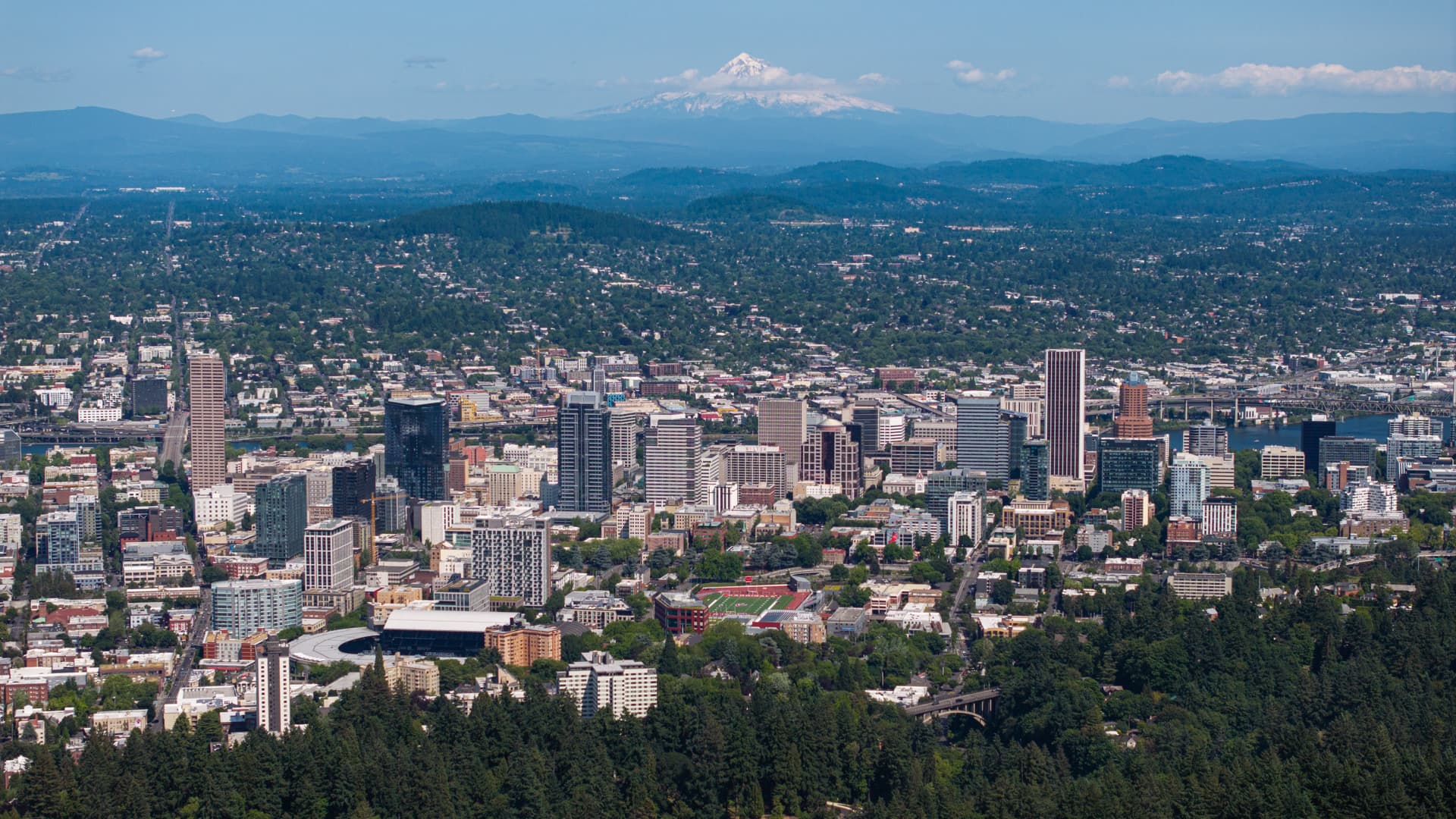
Portland is generally safe for tourists but the city has genuinely struggled since 2020. Downtown and Old Town lost considerable foot traffic, and visible homelessness and open drug use are more apparent than in most American cities. West side neighborhoods (Pearl, Nob Hill/NW 23rd, Washington Park) and most east side neighborhoods (Hawthorne, Division, Alberta, Mississippi) feel comfortable day and night. Downtown is improving in 2025-2026 but still patchy after dark.
⭐ Ratings
🌤️ Weather
Great Smoky Mountains National Park
The Smokies have a humid temperate rainforest climate — high elevations receive 85+ inches of rain a year, more than Seattle or Portland. That constant moisture is what creates the famous haze and the biological diversity. Temperatures vary enormously with elevation: Gatlinburg at 1,300 feet can be 20°F warmer than Clingmans Dome at 6,643 feet on the same day. Fog is almost daily at ridge elevations. Always pack layers and rain gear regardless of forecast.
Portland
Portland has a cool marine climate — famously rainy, but not in the way visitors expect. The rain is a persistent drizzle, not heavy downpours. Portland actually receives less annual rainfall (about 36 inches) than New York or Houston, but it is spread over 150+ rainy days from October through May. Summers (July through September) are gloriously dry, sunny, and warm. Winter brings occasional snow that typically melts within a day or two.
🚇 Getting Around
Great Smoky Mountains National Park
A private vehicle is essential — the park has no in-park shuttle system, no public bus service, and rideshare coverage inside park boundaries is unreliable to nonexistent. Newfound Gap Road (US-441) is the one through-road across the park from Gatlinburg (TN) to Cherokee (NC); Cades Cove Loop, Little River Road, and the Foothills Parkway are the other main driving arteries. In peak season (summer weekends, October foliage) expect 2-4 hours for the 11-mile Cades Cove Loop, parking lots full by 9am at popular trailheads, and occasional hours-long bear-jam backups.
Walkability: Inside the park, walkability is trail-based only — there are no sidewalks, no pedestrian connections between areas, and the distances between villages (Gatlinburg, Cherokee, Townsend) exceed 30 miles of mountain road. In Gatlinburg proper, the main strip is entirely walkable and the Gatlinburg Trolley connects to Sugarlands Visitor Center. Cherokee, Bryson City, and Townsend are compact but you'll still need a car to reach trailheads.
Portland
Portland has the most useful public transit of any city its size on the West Coast. MAX light rail (5 lines) connects the airport, downtown, and key suburbs. The Portland Streetcar loops through downtown, the Pearl, and east side neighborhoods. TriMet buses fill in the gaps. Within individual neighborhoods — Pearl, Hawthorne, Alberta, Mississippi, NW 23rd — walking is the right answer. Portland is also one of the best US cycling cities with protected lanes and a cyclists-first culture.
Walkability: Portland is one of the most walkable large cities in the American West — grid-patterned, flat on the east side, and most interesting neighborhoods (Pearl, NW 23rd, Hawthorne, Division, Alberta, Mississippi, Belmont) have dense commercial strips. Downtown blocks are short (only 200 ft) which makes walking feel quicker. Expect rain 9 months of the year — a good waterproof shell is more useful than an umbrella in the Portland wind.
The Verdict
Choose Great Smoky Mountains National Park if...
you want America's most-visited national park (and still free), Appalachian rainforests with more tree species than Europe, and June synchronous fireflies
Choose Portland if...
you want craft beer everywhere, no sales tax, food carts, Powell's Books, and the Cascades plus Coast at the doorstep
Great Smoky Mountains National Park
Portland