Great Smoky Mountains National Park vs Zion National Park
Which destination is right for your next trip?

Great Smoky Mountains National Park
United States
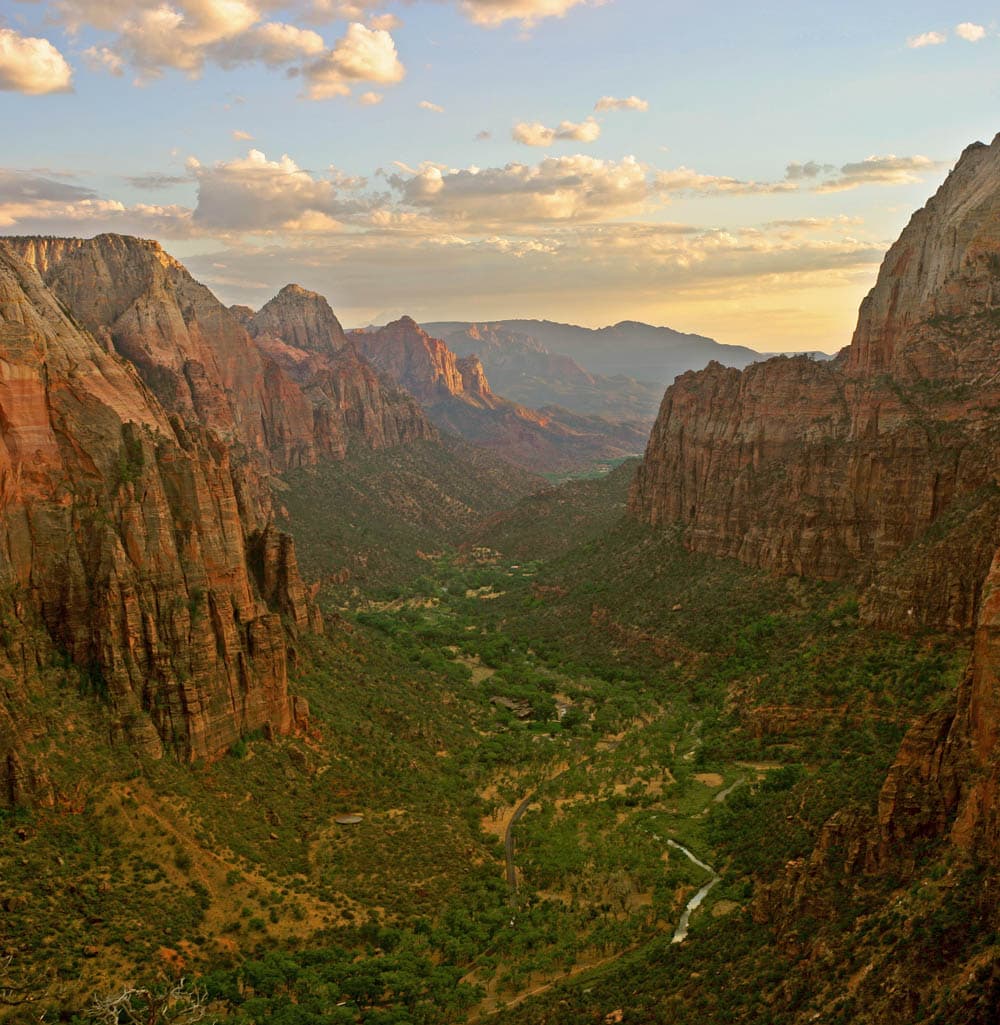
Zion National Park
United States
Great Smoky Mountains National Park
Zion National Park
💰 Budget
🛡️ Safety
Great Smoky Mountains National Park
Crime inside the park is negligible — the practical hazards are wildlife, weather, and winding mountain roads. With an estimated 1,500+ black bears (the densest population in the eastern US), bear encounters are more common here than in any other American national park. Fog and rain reduce visibility on Newfound Gap Road and the Cades Cove Loop, and car accidents on the winding approach roads are actually the most common serious incident. Venomous snakes, lightning on exposed ridges, and swift-water drownings round out the realistic list.
Zion National Park
Crime at Zion is a non-issue — the real hazards are natural and they kill people every year. Flash floods, falls from Angels Landing, heat illness, hypothermia in the Narrows, and dehydration are the big five. The single most important pre-hike habit: check the NPS flash flood forecast at the visitor center or nps.gov/zion before ANY slot canyon or Narrows trip. "Probable" or "Expected" risk means do not enter — a storm 10 miles upstream can kill you even in bright sunshine at the trailhead.
⭐ Ratings
🌤️ Weather
Great Smoky Mountains National Park
The Smokies have a humid temperate rainforest climate — high elevations receive 85+ inches of rain a year, more than Seattle or Portland. That constant moisture is what creates the famous haze and the biological diversity. Temperatures vary enormously with elevation: Gatlinburg at 1,300 feet can be 20°F warmer than Clingmans Dome at 6,643 feet on the same day. Fog is almost daily at ridge elevations. Always pack layers and rain gear regardless of forecast.
Zion National Park
Zion's desert climate is defined by vertical relief — the canyon floor sits at 4,000 feet while the rims reach 6,500+ feet, meaning conditions can differ by 5-10°C between stops on the same hike. Summer is brutally hot on exposed trails (35-40°C) with dangerous afternoon monsoon thunderstorms and flash flood potential in slot canyons. Winter brings ice on Angels Landing and snow on the rims, with the canyon floor hovering between 0-15°C. Spring and fall are the ideal windows. The Virgin River stays a bracing 10-15°C year-round — plan Narrows gear accordingly.
🚇 Getting Around
Great Smoky Mountains National Park
A private vehicle is essential — the park has no in-park shuttle system, no public bus service, and rideshare coverage inside park boundaries is unreliable to nonexistent. Newfound Gap Road (US-441) is the one through-road across the park from Gatlinburg (TN) to Cherokee (NC); Cades Cove Loop, Little River Road, and the Foothills Parkway are the other main driving arteries. In peak season (summer weekends, October foliage) expect 2-4 hours for the 11-mile Cades Cove Loop, parking lots full by 9am at popular trailheads, and occasional hours-long bear-jam backups.
Walkability: Inside the park, walkability is trail-based only — there are no sidewalks, no pedestrian connections between areas, and the distances between villages (Gatlinburg, Cherokee, Townsend) exceed 30 miles of mountain road. In Gatlinburg proper, the main strip is entirely walkable and the Gatlinburg Trolley connects to Sugarlands Visitor Center. Cherokee, Bryson City, and Townsend are compact but you'll still need a car to reach trailheads.
Zion National Park
Zion's transportation story is simple: the free park shuttle is MANDATORY on the Zion Canyon Scenic Drive April through late November — no private vehicles past Canyon Junction. The shuttle runs a 9-stop loop roughly every 10-15 minutes, takes about 45 minutes end-to-end, and stops at every major trailhead and viewpoint. Springdale (the gateway town) has its own free town shuttle connecting lodges, restaurants, and the park entrance. A private car is only useful on the main drive December through early March, for reaching Kolob Canyons (30 miles northwest, separate entrance), or for the Zion-Mt. Carmel Highway. There is no rideshare service inside the park.
Walkability: Springdale itself is extremely walkable — a linear town strung along Highway 9 with restaurants, outfitters, and lodges all within a mile of each other. Inside the park the shuttle handles the vertical distances; hiking trails are a mix of paved strolls (Riverside Walk, Pa'rus) and serious climbs (Angels Landing, Observation Point). Kolob Canyons has its own scenic drive and short trailheads but is not pedestrian-connected to the main canyon.
The Verdict
Choose Great Smoky Mountains National Park if...
you want America's most-visited national park (and still free), Appalachian rainforests with more tree species than Europe, and June synchronous fireflies
Choose Zion National Park if...
you want red-rock slot canyons, Angels Landing's permit-lottery ridge, and the Narrows waded up the Virgin River
Great Smoky Mountains National Park
Zion National Park