🤝 It's a tie — both rated 82 OVR

Iran
82OVR
India
82OVR
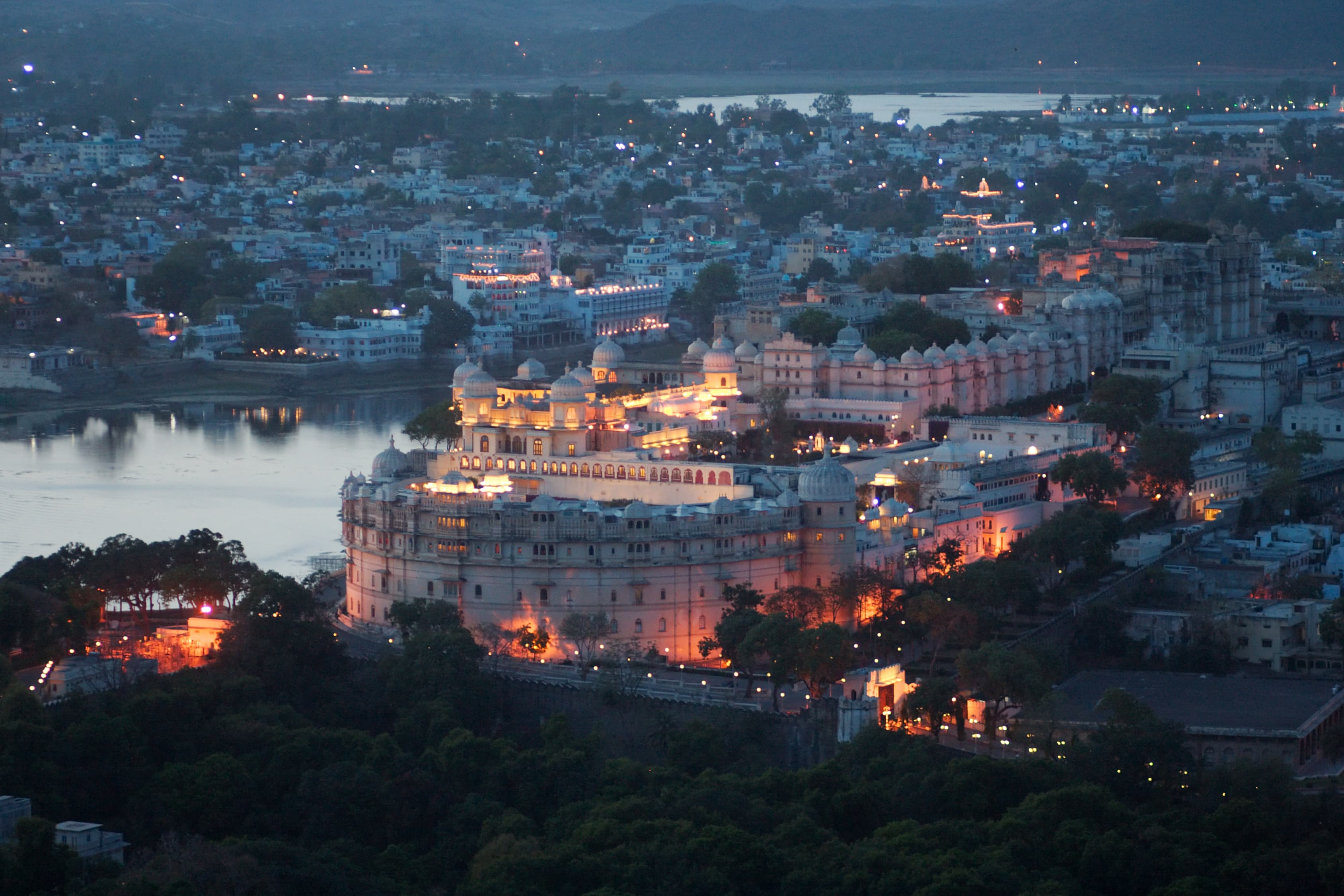
Isfahan
Iran
Udaipur
India
Isfahan
Udaipur
💰 Budget
🛡️ Safety
Isfahan
Isfahan itself is an extraordinarily safe city at street level — violent crime against tourists is essentially nonexistent, Iranians are famously hospitable, and the tourist zones are heavily patrolled and well-lit at night. The safety caveats for travel to Iran are almost entirely political and logistical rather than personal-safety issues: heightened regional tensions can lead to sudden changes in consular advice, protests occasionally flare (2022–2023 were particularly tense), and dual-nationals and some Western passport holders face additional scrutiny. Check your government's travel advisory within 7 days of departure.
Udaipur
Udaipur is one of the safer cities in Rajasthan for tourists, with a noticeably calmer and less aggressive atmosphere than Agra or Jaipur. Violent crime against tourists is rare. The primary concerns are opportunistic scams, gem fraud, and the usual hassles of Indian tourism. Solo female travelers report Udaipur as one of the more comfortable Rajasthani cities, though standard precautions apply.
⭐ Ratings
🌤️ Weather
Isfahan
Isfahan sits at 1,590 metres on the central Iranian plateau, giving it a continental semi-arid climate with hot dry summers, cold crisp winters, and remarkably clear skies year-round. The city receives very little rainfall (roughly 120 mm per year). Spring and autumn are the clear ideal seasons. Summer is hot but dry enough to remain bearable in the shade; winter can dip below freezing at night and occasionally brings light snow.
Udaipur
Udaipur has a semi-arid climate moderated by its lake system and Aravalli Hills location. Winters are mild and very pleasant, summers are intensely hot and dry, and the monsoon from July to September fills the lakes and transforms the surrounding landscape green. The city is far more bearable in summer than the flat plains of Delhi or Agra.
🚇 Getting Around
Isfahan
Isfahan's major tourist sights are concentrated in a compact arc from the Jameh Mosque in the old city, through Naqsh-e Jahan Square, across the Zayandeh River bridges, and into the Jolfa quarter — roughly 5 km end to end. The historic centre around Naqsh-e Jahan is highly walkable. For longer hops (to Jolfa, Vank Cathedral, the airport) taxis or the single metro line are the practical options.
Walkability: Very high in the historic core — Naqsh-e Jahan, the bazaar, Chehel Sotoun, and the Jameh Mosque are all walkable from a central hotel. Jolfa is a 25-minute walk south across Si-o-se-pol Bridge or a 10-minute taxi.
Udaipur
Udaipur's old city around Lake Pichola is compact and walkable. The main tourist area — from the City Palace to Jagdish Temple to the ghats — can be covered on foot in 20 minutes. Beyond the old city, auto-rickshaws, Ola, and taxis are the primary options. Traffic can be chaotic on the main roads but is significantly lighter than Jaipur or Delhi.
Walkability: The old city of Udaipur around Lake Pichola is highly walkable — narrow lanes, minimal traffic, and major sights clustered within a 1 km radius. Beyond the old city, distances grow and the heat makes walking impractical in summer. The ghats and lakefront promenade are pleasant pedestrian zones at any time.
The Verdict
Choose Isfahan if...
you want "half the world" — Naqsh-e Jahan Square, the blue-tiled Safavid mosques, Si-o-se-pol bridge — complex visa + cash-only sanctions reality
Choose Udaipur if...
you want India's "City of Lakes" — Taj Lake Palace floating on Pichola, the City Palace, sunset boat rides, and Kumbhalgarh Fort day trip
Isfahan
Udaipur