Kerala
India

Mumbai
India
Kerala
Mumbai
💰 Budget
🛡️ Safety
Kerala
Kerala is consistently rated among the safest states in India for tourists, including solo female travelers. Its high literacy rate, organized tourism infrastructure, and strong local governance contribute to a lower crime rate than most Indian states. The primary hazards are environmental — monsoon flooding, coastal currents, and wildlife in forested areas — rather than personal safety concerns.
Mumbai
Mumbai is generally considered one of India's safest major cities. Violent crime against tourists is rare. Petty theft, scams, and traffic-related dangers are the main concerns. The city has a strong community culture where neighborhoods look out for each other.
⭐ Ratings
🌤️ Weather
Kerala
Kerala has a tropical climate governed by two monsoon cycles. The southwest monsoon (June-September) is the heaviest in mainland India, bringing thunderous daily rainfall, high humidity, and a dramatic transformation of the landscape into intense green. The northeast monsoon (October-November) brings lighter rains to the south. December to February is the dry, mild peak tourist season. Kerala's highland areas (Munnar, Wayanad) are significantly cooler year-round.
Mumbai
Mumbai has a tropical climate with three distinct seasons — a hot and humid pre-monsoon (March-May), an intense monsoon (June-September), and a pleasant dry season (October-February). The monsoon is dramatic, with the city receiving over 2,000 mm of rain, mostly in July and August.
🚇 Getting Around
Kerala
Kerala is one of the better-connected Indian states for travel. Indian Railways runs the backbone of the coastal corridor linking Trivandrum, Kochi, and Calicut, with frequent expresses. KSRTC (Kerala State Road Transport Corporation) and private buses reach virtually every district. Kochi and Trivandrum have Uber and Ola. Autorickshaws are ubiquitous for short hops. The backwaters require boats. Munnar and Wayanad are best reached by hired car or bus from Kochi.
Walkability: Walkability varies sharply by location. Fort Kochi is compact and very walkable — the fishing nets, synagogue, Dutch Palace, and cafes are all within 30 minutes on foot. Alleppey town is flat and bikeable. Trivandrum and Calicut are sprawling and require transport. Munnar town is small but the plantation walks require transport to trailheads.
Mumbai
Mumbai's transport network is anchored by its legendary suburban railway system, supplemented by buses, auto-rickshaws (in suburbs), taxis, and ride-hailing apps. The city is a long, narrow peninsula — north-south travel relies heavily on trains. Traffic is severe, especially during rush hours.
Walkability: South Mumbai (Colaba to Fort) is walkable and rewarding — colonial architecture, street markets, and cafes line the streets. Marine Drive promenade is a beautiful walk. The rest of Mumbai is too spread out and traffic-heavy for walking long distances. Always use pedestrian overpasses where available — jaywalking is dangerous.
The Verdict
Choose Kerala if...
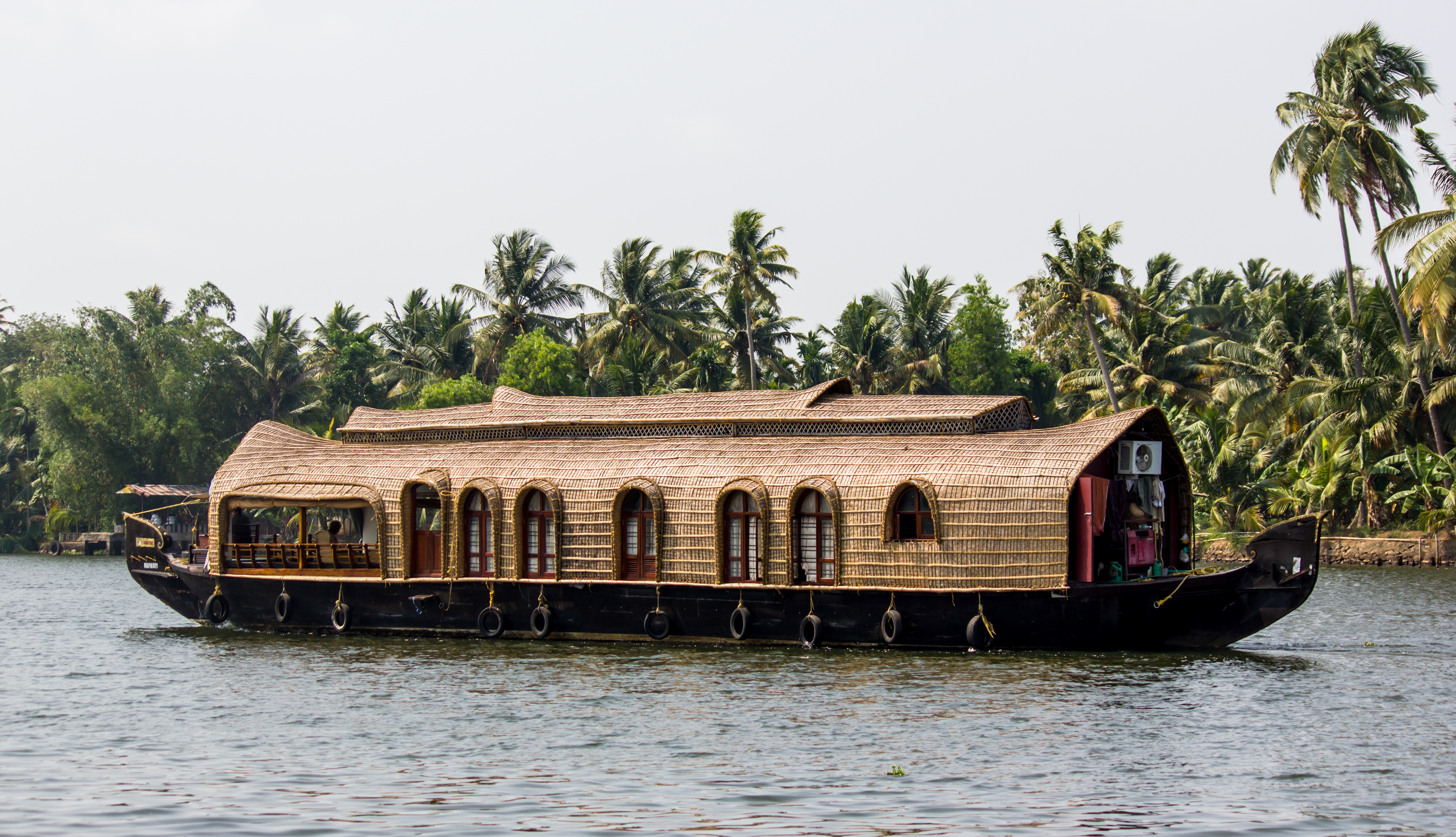
you want "God's Own Country" — Alleppey houseboat backwaters, Munnar tea hills, Fort Kochi colonial streets, Kathakali dance, and Ayurveda across a tropical coast
Choose Mumbai if...
you want India's Manhattan — Gateway of India, Elephanta Caves, Marine Drive Queen's Necklace, Chhatrapati Shivaji Terminus, Dharavi slum tours, and Bollywood energy