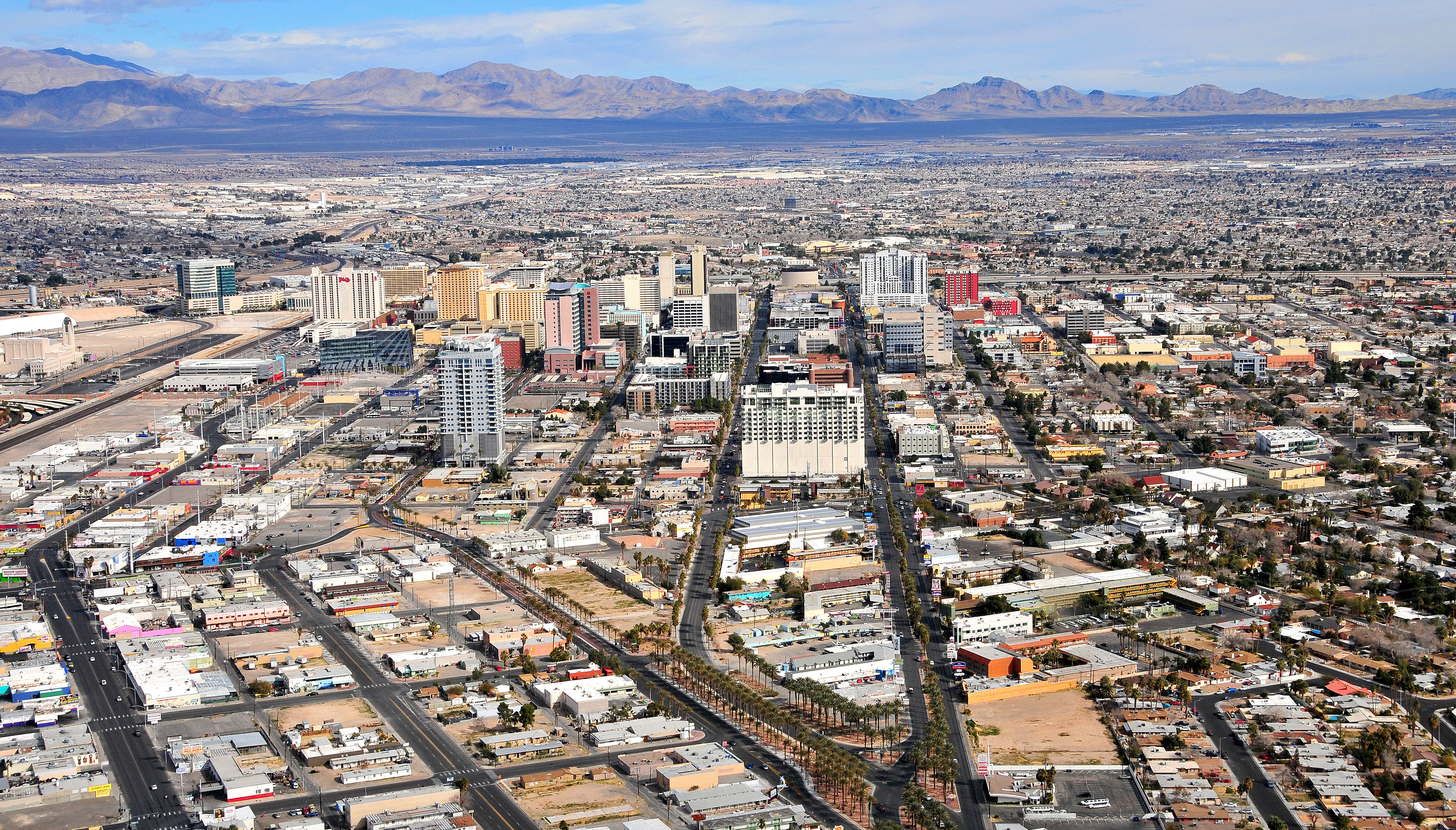
Las Vegas
United States

New Orleans
United States
Las Vegas
New Orleans
💰 Budget
🛡️ Safety
Las Vegas
The Strip itself is heavily policed and generally safe for tourists, with extensive casino security and LVMPD patrols. Off-Strip neighborhoods vary significantly — areas immediately east and north of downtown can be rough, particularly at night. The main risks on the Strip are pickpockets in crowds, aggressive timeshare touts, and scammers posing as celebrities or show promoters. Drink spiking and gambling-related disputes are reported concerns.
New Orleans
New Orleans has higher violent crime rates than most US tourist cities, but crime is heavily concentrated in specific neighborhoods. Tourist areas (French Quarter during day, Garden District, Warehouse District, Frenchmen Street) are generally safe. Pickpocketing and phone theft on Bourbon Street are common. After-hours crime spikes outside these zones.
⭐ Ratings
🌤️ Weather
Las Vegas
Las Vegas has a hot desert climate with extreme temperature swings between summer and winter. Summers are brutally hot — June through August regularly sees highs above 40°C (104°F), with July averages around 42°C. Winters are mild and pleasant, with daytime highs around 15°C. Spring and autumn are the ideal windows: warm, dry, and comfortable. Flash floods are possible year-round but most common in late summer monsoon season.
New Orleans
New Orleans has a humid subtropical climate — hot and sticky for most of the year, with short, mild winters. Summer humidity is famously oppressive, and afternoon thunderstorms are near-daily from June through September. Hurricane season runs June through November.
🚇 Getting Around
Las Vegas
Getting around the Strip is surprisingly challenging despite its apparent simplicity — the boulevard looks walkable but distances between resorts are much longer than they appear. A mix of the Las Vegas Monorail, the Deuce bus, ride-hailing apps, and your feet will cover most needs on the Strip. A rental car is strongly recommended for off-Strip destinations like Red Rock Canyon, Hoover Dam, and Valley of Fire.
Walkability: The Strip looks walkable on a map but is deceptive — the distance from Mandalay Bay to the Stratosphere is over 4 miles, and summer temperatures make outdoor walking dangerous. Between individual resorts in a cluster (e.g., Cosmopolitan to Bellagio), walking is fine. In summer, use the air-conditioned casino connectors and skywalks linking several properties. Downtown Fremont Street is very walkable within the Experience canopy.
New Orleans
New Orleans is compact and walkable in its tourist core. The Regional Transit Authority (RTA) runs historic streetcars, buses, and ferries. A Jazzy Pass offers unlimited rides. Driving downtown is difficult — streets are narrow, parking is scarce and expensive, and the one-way grid is confusing.
Walkability: The French Quarter, Marigny, CBD, and Warehouse District are highly walkable. The Garden District, Bywater, and Mid-City are walkable once you've arrived, but you'll want a streetcar or rideshare to get between districts. Sidewalks in the Quarter can be uneven — watch for broken flagstones, especially at night.
The Verdict
Choose Las Vegas if...
you want 24-hour neon spectacle — Strip megaresorts, the Sphere, celebrity-chef dining, pool clubs, and Red Rock + Grand Canyon + Zion within day-trip range
Choose New Orleans if...
you want America's most culturally distinct city — Creole and Cajun food, jazz on Frenchmen Street, and French Quarter magic
Las Vegas
New Orleans