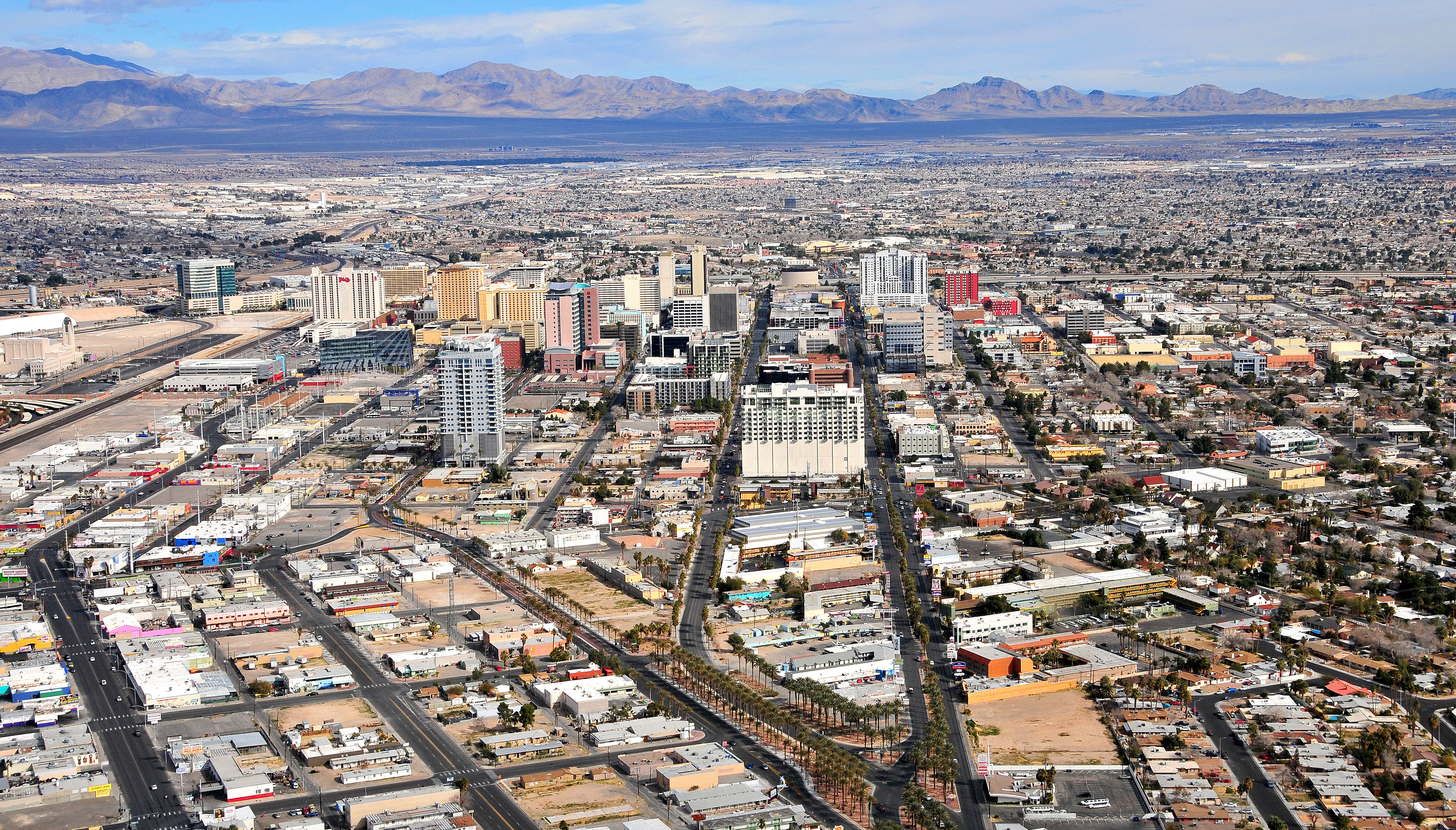
Las Vegas
United States

Oaxaca
Mexico
Las Vegas
Oaxaca
💰 Budget
🛡️ Safety
Las Vegas
The Strip itself is heavily policed and generally safe for tourists, with extensive casino security and LVMPD patrols. Off-Strip neighborhoods vary significantly — areas immediately east and north of downtown can be rough, particularly at night. The main risks on the Strip are pickpockets in crowds, aggressive timeshare touts, and scammers posing as celebrities or show promoters. Drink spiking and gambling-related disputes are reported concerns.
Oaxaca
Oaxaca city is generally safe for tourists and has a welcoming, community-oriented atmosphere. The historic center is well-patrolled and walkable. As with all of Mexico, use common sense — avoid flashing valuables, be cautious at night in unfamiliar areas, and stick to reputable transport. Political protests occasionally block roads but are rarely dangerous to bystanders.
⭐ Ratings
🌤️ Weather
Las Vegas
Las Vegas has a hot desert climate with extreme temperature swings between summer and winter. Summers are brutally hot — June through August regularly sees highs above 40°C (104°F), with July averages around 42°C. Winters are mild and pleasant, with daytime highs around 15°C. Spring and autumn are the ideal windows: warm, dry, and comfortable. Flash floods are possible year-round but most common in late summer monsoon season.
Oaxaca
Oaxaca city sits at 1,550 meters elevation and enjoys a temperate semi-arid climate with warm days and cool nights year-round. There is a distinct rainy season from June to September with afternoon thunderstorms. The city gets over 300 days of sunshine per year.
🚇 Getting Around
Las Vegas
Getting around the Strip is surprisingly challenging despite its apparent simplicity — the boulevard looks walkable but distances between resorts are much longer than they appear. A mix of the Las Vegas Monorail, the Deuce bus, ride-hailing apps, and your feet will cover most needs on the Strip. A rental car is strongly recommended for off-Strip destinations like Red Rock Canyon, Hoover Dam, and Valley of Fire.
Walkability: The Strip looks walkable on a map but is deceptive — the distance from Mandalay Bay to the Stratosphere is over 4 miles, and summer temperatures make outdoor walking dangerous. Between individual resorts in a cluster (e.g., Cosmopolitan to Bellagio), walking is fine. In summer, use the air-conditioned casino connectors and skywalks linking several properties. Downtown Fremont Street is very walkable within the Experience canopy.
Oaxaca
Oaxaca's compact historic center is easily explored on foot. For outlying sites like Monte Alban, Hierve el Agua, and weaving villages, you'll need organized transport. Colectivos (shared vans) are the cheapest way to reach nearby villages. Ride-hailing apps work well in the city.
Walkability: The historic center is very walkable — the Zocalo, markets, Santo Domingo, museums, and best restaurants are all within a 15-minute walk of each other. Sidewalks can be narrow and uneven. Most streets in the centro are one-way with light traffic.
The Verdict
Choose Las Vegas if...
you want 24-hour neon spectacle — Strip megaresorts, the Sphere, celebrity-chef dining, pool clubs, and Red Rock + Grand Canyon + Zion within day-trip range
Choose Oaxaca if...
you want Mexico's best food scene, mezcal culture, indigenous markets, and Day of the Dead celebrations
Las Vegas