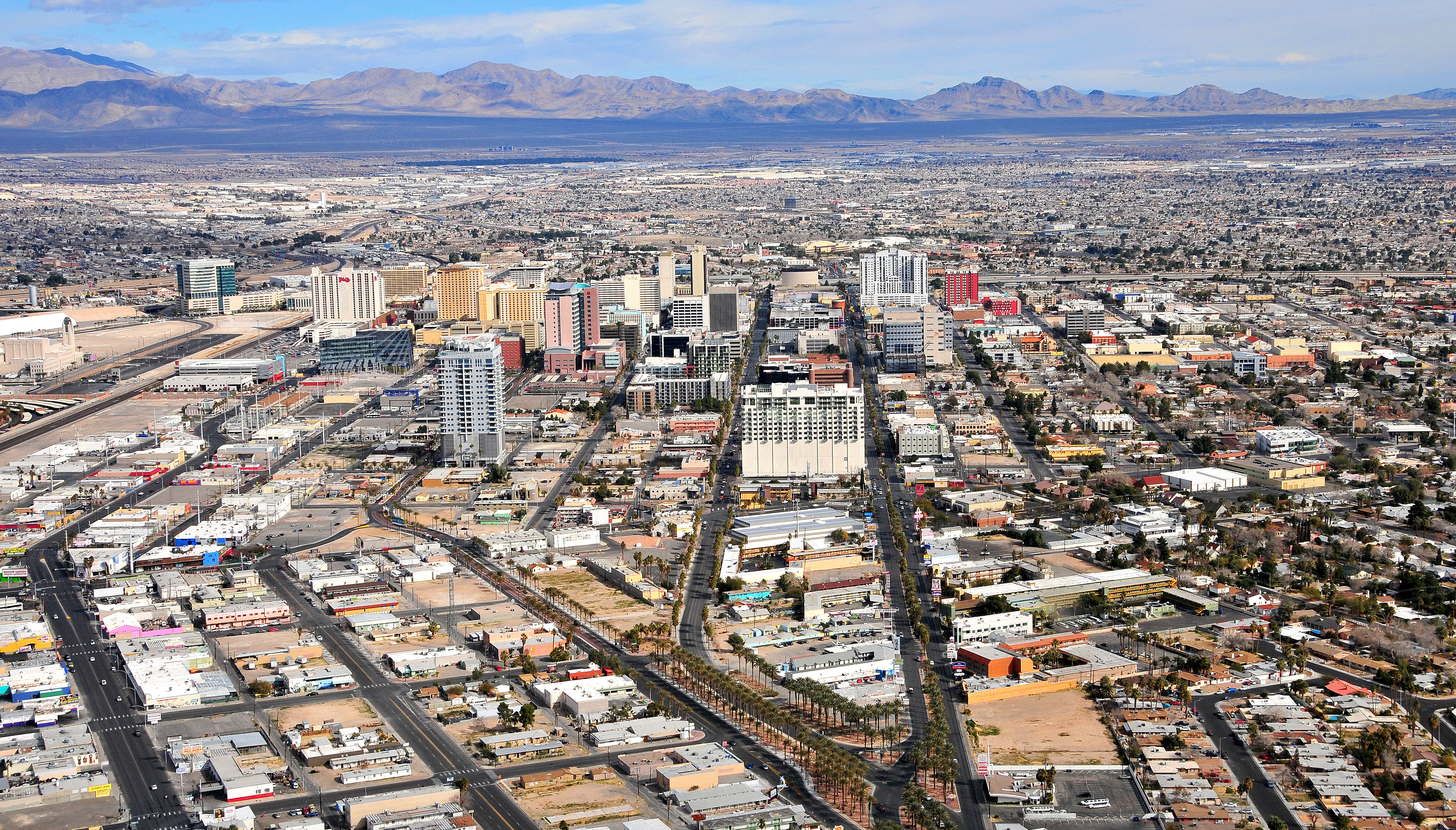
Las Vegas
United States

San Diego
United States
Las Vegas
San Diego
💰 Budget
🛡️ Safety
Las Vegas
The Strip itself is heavily policed and generally safe for tourists, with extensive casino security and LVMPD patrols. Off-Strip neighborhoods vary significantly — areas immediately east and north of downtown can be rough, particularly at night. The main risks on the Strip are pickpockets in crowds, aggressive timeshare touts, and scammers posing as celebrities or show promoters. Drink spiking and gambling-related disputes are reported concerns.
San Diego
San Diego is one of the safer large cities in the US for visitors. The main tourist areas — Gaslamp Quarter, Balboa Park, La Jolla, Coronado, and the beaches — are generally safe and well-policed. The East Village and parts of downtown near the trolley station have some street homelessness and petty crime, but serious violent crime targeting tourists is rare. Exercise normal urban precautions.
⭐ Ratings
🌤️ Weather
Las Vegas
Las Vegas has a hot desert climate with extreme temperature swings between summer and winter. Summers are brutally hot — June through August regularly sees highs above 40°C (104°F), with July averages around 42°C. Winters are mild and pleasant, with daytime highs around 15°C. Spring and autumn are the ideal windows: warm, dry, and comfortable. Flash floods are possible year-round but most common in late summer monsoon season.
San Diego
San Diego has the best year-round climate of any major city in the continental United States — a Mediterranean climate with warm, dry summers and mild, occasionally rainy winters. Average temperatures stay between 57°F and 77°F all year. The main quirk is "May Gray" and "June Gloom" — a marine layer of coastal fog that rolls in from the Pacific each morning, usually burning off by noon but sometimes persisting all day along the beach.
🚇 Getting Around
Las Vegas
Getting around the Strip is surprisingly challenging despite its apparent simplicity — the boulevard looks walkable but distances between resorts are much longer than they appear. A mix of the Las Vegas Monorail, the Deuce bus, ride-hailing apps, and your feet will cover most needs on the Strip. A rental car is strongly recommended for off-Strip destinations like Red Rock Canyon, Hoover Dam, and Valley of Fire.
Walkability: The Strip looks walkable on a map but is deceptive — the distance from Mandalay Bay to the Stratosphere is over 4 miles, and summer temperatures make outdoor walking dangerous. Between individual resorts in a cluster (e.g., Cosmopolitan to Bellagio), walking is fine. In summer, use the air-conditioned casino connectors and skywalks linking several properties. Downtown Fremont Street is very walkable within the Experience canopy.
San Diego
San Diego is primarily a car-dependent city, though downtown, the Gaslamp Quarter, and Balboa Park are very walkable. The San Diego Trolley connects downtown with Mission Valley, Old Town, and the Mexican border. Getting to La Jolla, the beaches, and Coronado is most convenient by car or ride-hail. The Coaster commuter rail connects downtown to North County beaches.
Walkability: Downtown San Diego and the Gaslamp Quarter are highly walkable. Balboa Park, Little Italy, and the Embarcadero are all connected by foot. However, San Diego is a sprawling metro — getting between neighborhoods like La Jolla, Mission Beach, and Old Town requires wheels or a ride.
The Verdict
Choose Las Vegas if...
you want 24-hour neon spectacle — Strip megaresorts, the Sphere, celebrity-chef dining, pool clubs, and Red Rock + Grand Canyon + Zion within day-trip range
Choose San Diego if...
you want Southern California's laid-back beach city — La Jolla sea lions, Balboa Park + Zoo, Coronado, the Gaslamp Quarter, craft beer, and a Tijuana border hop
Las Vegas
San Diego