Las Vegas vs Yellowstone National Park
Which destination is right for your next trip?
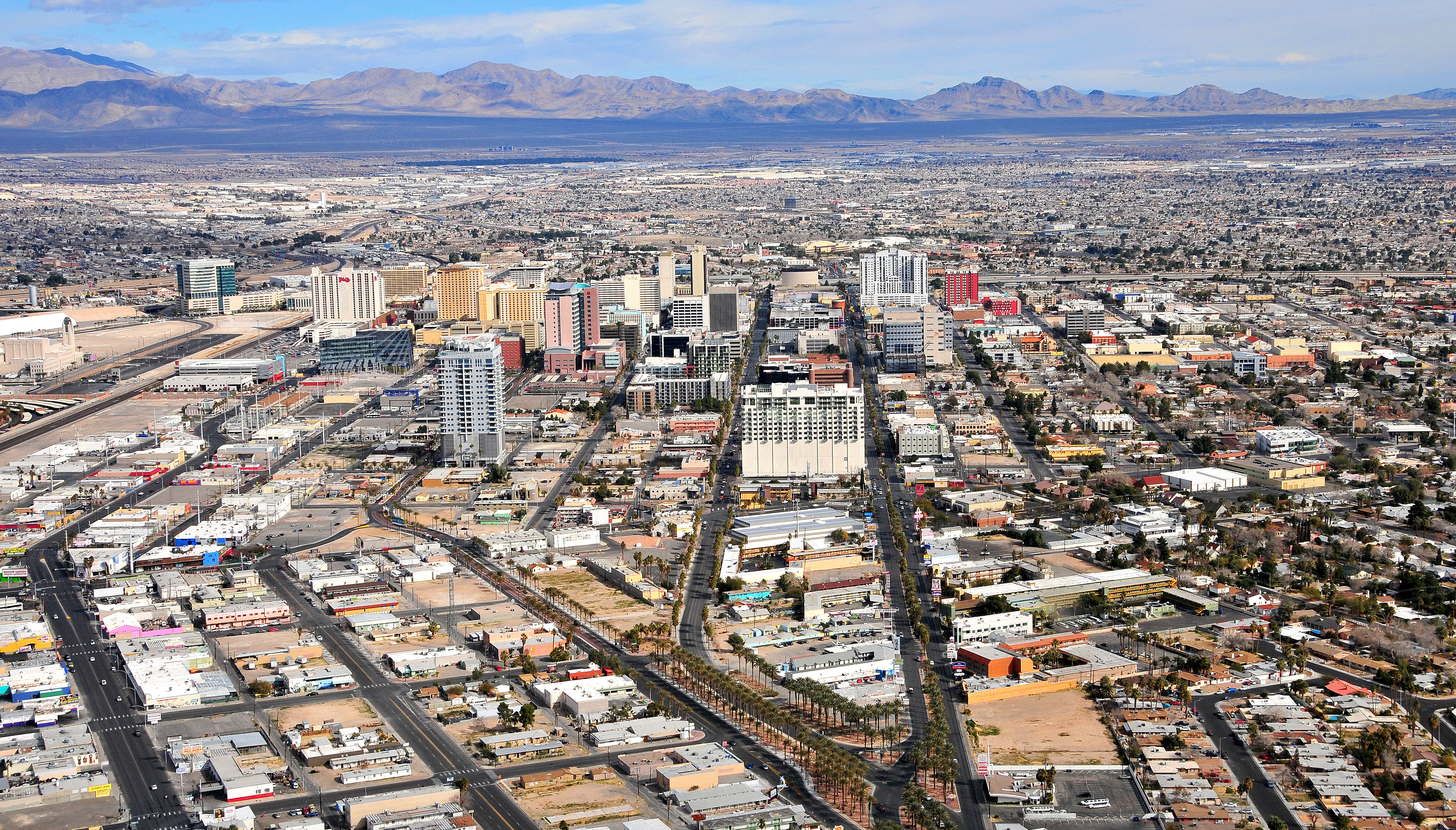
Las Vegas
United States
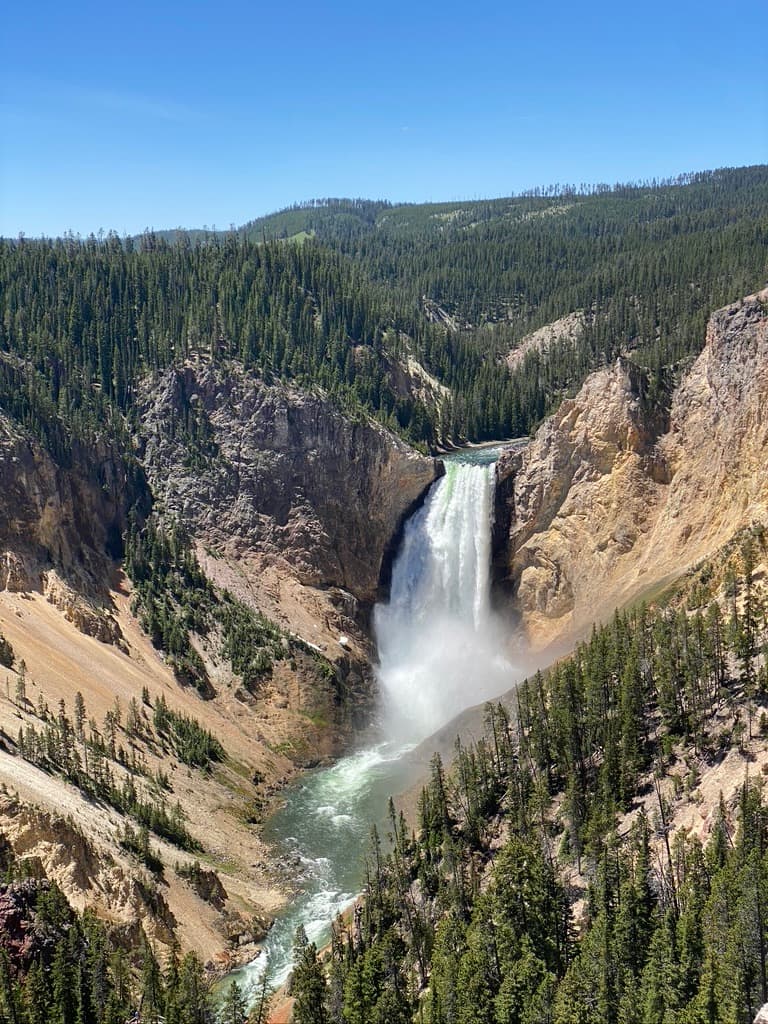
Yellowstone National Park
United States
Las Vegas
Yellowstone National Park
💰 Budget
🛡️ Safety
Las Vegas
The Strip itself is heavily policed and generally safe for tourists, with extensive casino security and LVMPD patrols. Off-Strip neighborhoods vary significantly — areas immediately east and north of downtown can be rough, particularly at night. The main risks on the Strip are pickpockets in crowds, aggressive timeshare touts, and scammers posing as celebrities or show promoters. Drink spiking and gambling-related disputes are reported concerns.
Yellowstone National Park
Yellowstone is extremely safe from a crime perspective. The real hazards are natural — thermal features that can kill you in seconds, bison that gore more visitors than bears each year, grizzly bears, sudden weather changes, and thin ice on Yellowstone Lake. The park has a strong ranger presence, but help can be hours away in remote areas. Respect wildlife distances, stay on boardwalks near thermal features, and always carry bear spray in the backcountry.
⭐ Ratings
🌤️ Weather
Las Vegas
Las Vegas has a hot desert climate with extreme temperature swings between summer and winter. Summers are brutally hot — June through August regularly sees highs above 40°C (104°F), with July averages around 42°C. Winters are mild and pleasant, with daytime highs around 15°C. Spring and autumn are the ideal windows: warm, dry, and comfortable. Flash floods are possible year-round but most common in late summer monsoon season.
Yellowstone National Park
Yellowstone has a high-elevation continental climate dominated by its altitude — most of the park sits at 7,000-8,500 feet, which means summer highs are pleasant but nights are cold year-round, and winters are genuinely severe. Snow is possible in every month. Weather varies enormously across the park: Mammoth (lowest elevation) can be 15°F warmer than Old Faithful on the same day. Always pack layers and rain gear.
🚇 Getting Around
Las Vegas
Getting around the Strip is surprisingly challenging despite its apparent simplicity — the boulevard looks walkable but distances between resorts are much longer than they appear. A mix of the Las Vegas Monorail, the Deuce bus, ride-hailing apps, and your feet will cover most needs on the Strip. A rental car is strongly recommended for off-Strip destinations like Red Rock Canyon, Hoover Dam, and Valley of Fire.
Walkability: The Strip looks walkable on a map but is deceptive — the distance from Mandalay Bay to the Stratosphere is over 4 miles, and summer temperatures make outdoor walking dangerous. Between individual resorts in a cluster (e.g., Cosmopolitan to Bellagio), walking is fine. In summer, use the air-conditioned casino connectors and skywalks linking several properties. Downtown Fremont Street is very walkable within the Experience canopy.
Yellowstone National Park
A private vehicle is essentially required — there is no public transit into or through Yellowstone, no reliable rideshare inside the park, and the Grand Loop Road (142 mi figure-8) connects the major sights with distances that demand a car. Xanterra operates in-park shuttle bus tours from the lodges that can supplement but not replace a personal vehicle. In peak summer, expect bison traffic jams that can stop traffic for 30+ minutes, a 45 mph park-wide speed limit, and parking lots that fill by 8-9am at popular features.
Walkability: Yellowstone is not walkable between areas — distances are too great and there are no sidewalks along park roads. Within villages (Old Faithful, Canyon, Mammoth, Lake) you can walk between lodges, restaurants, and visitor centers. Boardwalk systems around geyser basins (Upper, Midway, Lower, Norris, Mammoth) are extensive and allow hours of thermal feature exploration on foot.
The Verdict
Choose Las Vegas if...
you want 24-hour neon spectacle — Strip megaresorts, the Sphere, celebrity-chef dining, pool clubs, and Red Rock + Grand Canyon + Zion within day-trip range
Choose Yellowstone National Park if...
you want the world's first national park — wolves + bison in Lamar Valley and half the planet's geysers on a figure-eight drive
Las Vegas
Yellowstone National Park