🏆 Udaipur wins 82 OVR vs 77 · attribute matchup 2–3

China
77OVR
India
82OVR
Lhasa
China
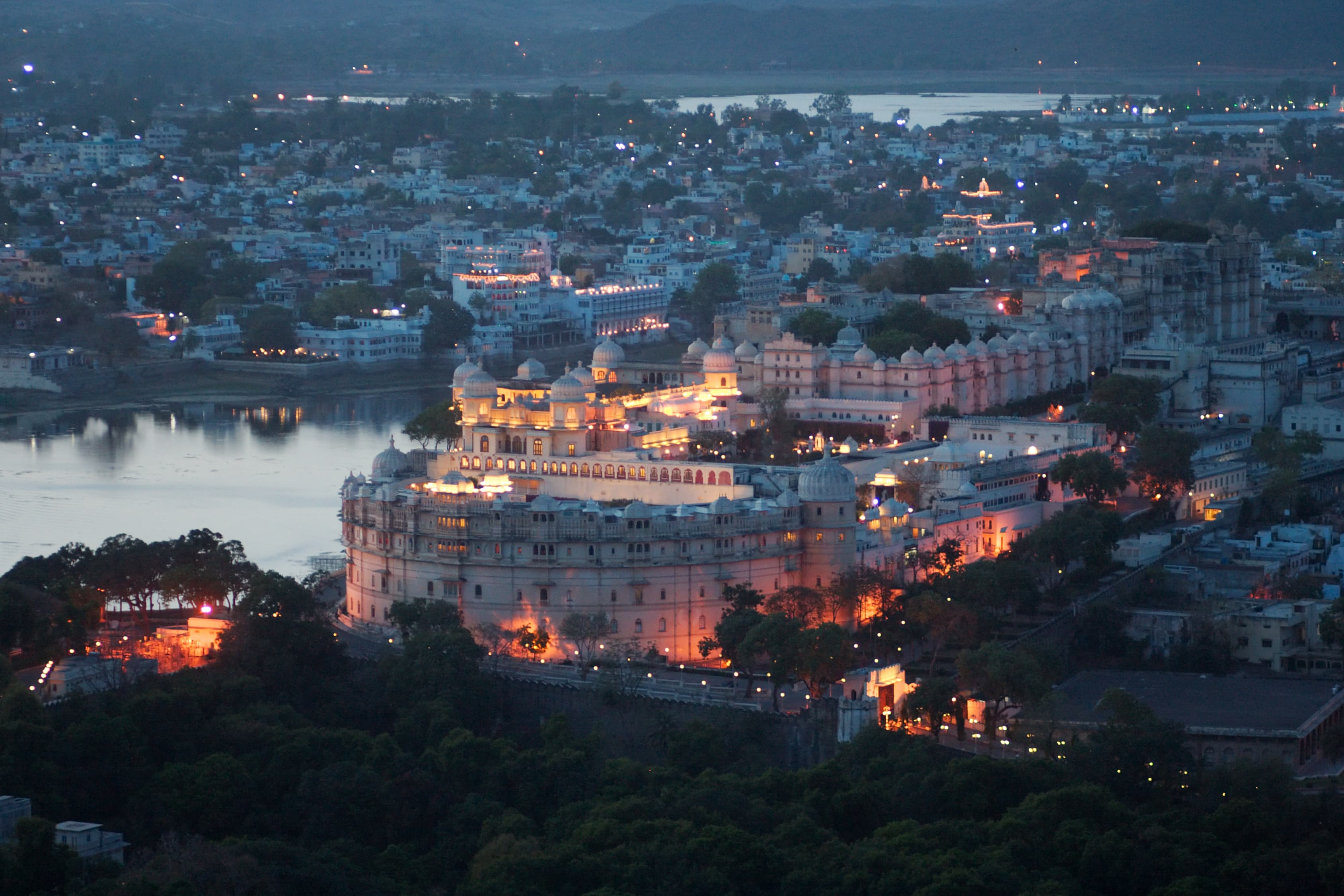
Udaipur
India
Lhasa
Udaipur
💰 Budget
🛡️ Safety
Lhasa
Violent crime against foreign tourists in Lhasa is extremely rare — the city is heavily policed and tour operators are responsible for their clients. The primary risks are altitude sickness (which can be life-threatening), intense UV at 3,656 m, and the unusual constraints of travelling in a politically sensitive region where photography of security personnel, any political statement, or any mention of the Dalai Lama in public can cause serious problems for your Tibetan guide and operator, even if not directly for you.
Udaipur
Udaipur is one of the safer cities in Rajasthan for tourists, with a noticeably calmer and less aggressive atmosphere than Agra or Jaipur. Violent crime against tourists is rare. The primary concerns are opportunistic scams, gem fraud, and the usual hassles of Indian tourism. Solo female travelers report Udaipur as one of the more comfortable Rajasthani cities, though standard precautions apply.
⭐ Ratings
🌤️ Weather
Lhasa
Lhasa is classified as a high-altitude semi-arid plateau climate — thin, dry air year-round with over 3,000 hours of sunshine annually (one of the sunniest cities in China). Daytime is warm in summer and cold but sunny in winter; nights are always cold because of the altitude. The monsoon brushes the plateau in July and August, bringing short afternoon showers but rarely all-day rain, making Tibet considerably drier than the Himalayan regions to the south. Wind and UV are intense year-round at this elevation.
Udaipur
Udaipur has a semi-arid climate moderated by its lake system and Aravalli Hills location. Winters are mild and very pleasant, summers are intensely hot and dry, and the monsoon from July to September fills the lakes and transforms the surrounding landscape green. The city is far more bearable in summer than the flat plains of Delhi or Agra.
🚇 Getting Around
Lhasa
Lhasa is small and manageable — the old town around the Jokhang and Barkhor is entirely walkable, and most tour itineraries use a private vehicle with your assigned driver and guide for the outlying monasteries (Sera, Drepung, Norbulingka, Potala). Independent public transport is possible within Lhasa city itself for short distances, but no foreign tourist should be taking long-distance buses or taxis alone — your Tibet Travel Permit requires you to be with your guide for essentially all sightseeing.
Walkability: The old Tibetan quarter around the Jokhang is wonderfully walkable — narrow whitewashed lanes, prayer-wheel corridors, and a flat grid you can cover in a morning. The Potala, Norbulingka, Sera, and Drepung are all too far to walk and sit at awkward angles from the centre; your tour vehicle or a taxi is required. Altitude makes walking feel slower than it looks on a map for the first 48 hours.
Udaipur
Udaipur's old city around Lake Pichola is compact and walkable. The main tourist area — from the City Palace to Jagdish Temple to the ghats — can be covered on foot in 20 minutes. Beyond the old city, auto-rickshaws, Ola, and taxis are the primary options. Traffic can be chaotic on the main roads but is significantly lighter than Jaipur or Delhi.
Walkability: The old city of Udaipur around Lake Pichola is highly walkable — narrow lanes, minimal traffic, and major sights clustered within a 1 km radius. Beyond the old city, distances grow and the heat makes walking impractical in summer. The ghats and lakefront promenade are pleasant pedestrian zones at any time.
The Verdict
Choose Lhasa if...
you want Tibetan Buddhism's holiest city at 3,656m — Potala Palace, Jokhang Temple, Barkhor kora, and the world's highest railway — requires Tibet Travel Permit
Choose Udaipur if...
you want India's "City of Lakes" — Taj Lake Palace floating on Pichola, the City Palace, sunset boat rides, and Kumbhalgarh Fort day trip