
Maui
United States
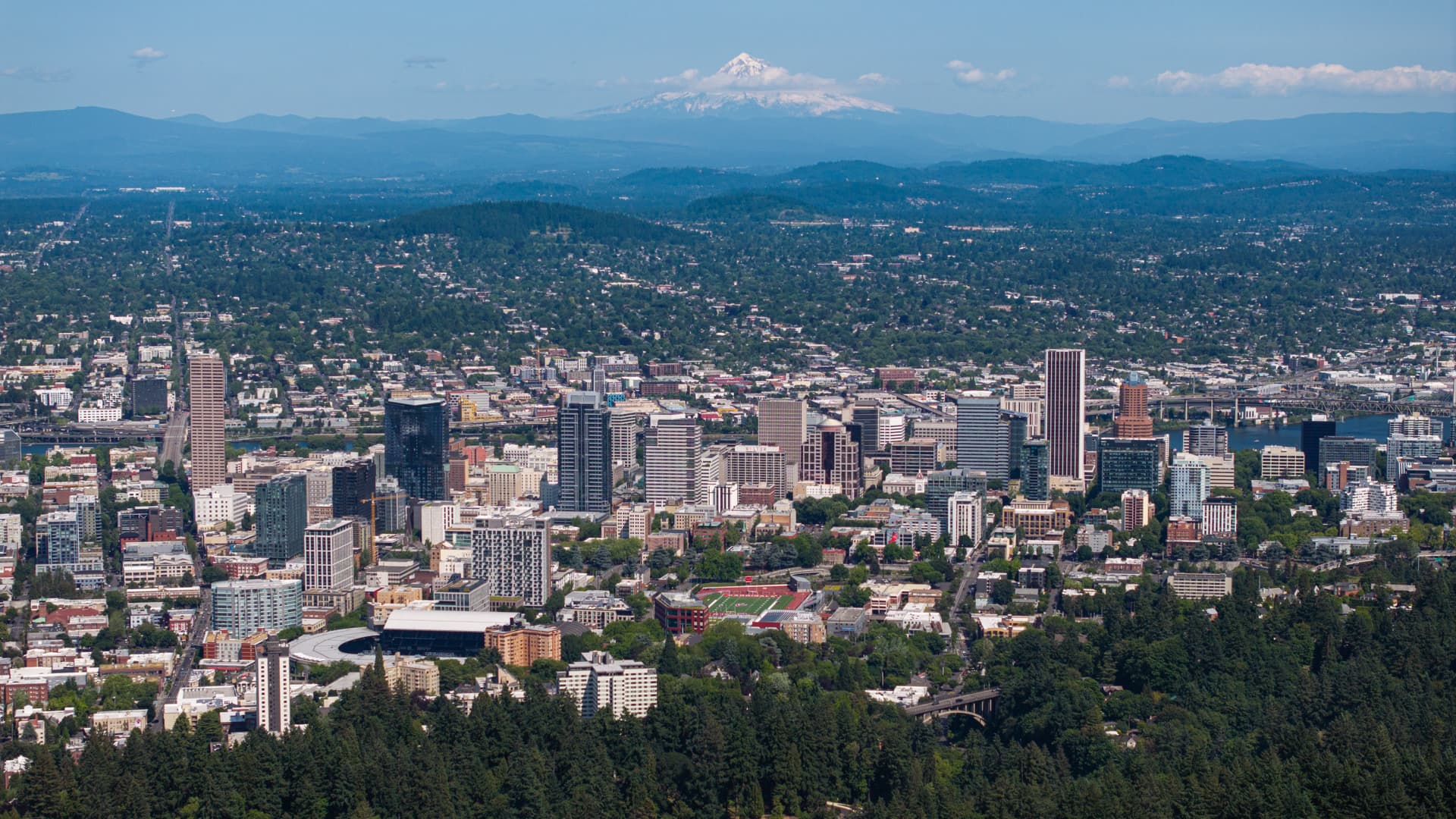
Portland
United States
Maui
Portland
💰 Budget
🛡️ Safety
Maui
Maui is generally very safe for visitors. Petty theft from rental cars at trailheads is the most common crime affecting tourists — never leave valuables visible. Ocean hazards including rip currents, shore break, and high surf cause more tourist injuries than crime. The Road to Hana requires attentive slow driving. Visitors to areas near Lahaina should be respectful of the community's ongoing recovery from the 2023 wildfire.
Portland
Portland is generally safe for tourists but the city has genuinely struggled since 2020. Downtown and Old Town lost considerable foot traffic, and visible homelessness and open drug use are more apparent than in most American cities. West side neighborhoods (Pearl, Nob Hill/NW 23rd, Washington Park) and most east side neighborhoods (Hawthorne, Division, Alberta, Mississippi) feel comfortable day and night. Downtown is improving in 2025-2026 but still patchy after dark.
⭐ Ratings
🌤️ Weather
Maui
Maui has a tropical climate with two distinct sides: the leeward (west and south) coasts are sunny and dry nearly year-round, while the windward (north and east) coasts and Hana receive abundant rain from northeast trade winds. Haleakala summit can be cold and windy at any time of year — bring layers. Hurricane season runs June through November but direct hits are rare. Trade winds keep coastal temperatures pleasant even in summer.
Portland
Portland has a cool marine climate — famously rainy, but not in the way visitors expect. The rain is a persistent drizzle, not heavy downpours. Portland actually receives less annual rainfall (about 36 inches) than New York or Houston, but it is spread over 150+ rainy days from October through May. Summers (July through September) are gloriously dry, sunny, and warm. Winter brings occasional snow that typically melts within a day or two.
🚇 Getting Around
Maui
A rental car is essentially mandatory for exploring Maui beyond resort areas. The Road to Hana, Haleakala National Park, Upcountry Maui, and most beaches are inaccessible without one. Book well in advance — rental car availability is limited and prices spike during peak season. Maui Bus provides limited public transit but has significant gaps in coverage.
Walkability: Maui is not a walkable destination by design. Wailea resort area has a paved beachfront path connecting several hotels and beaches. Parts of Kihei along South Kihei Road are pedestrian-friendly. Downtown Lahaina (pre-fire) was walkable within the historic district. Outside these pockets, walking between destinations is impractical — distances are long and sidewalks are sparse.
Portland
Portland has the most useful public transit of any city its size on the West Coast. MAX light rail (5 lines) connects the airport, downtown, and key suburbs. The Portland Streetcar loops through downtown, the Pearl, and east side neighborhoods. TriMet buses fill in the gaps. Within individual neighborhoods — Pearl, Hawthorne, Alberta, Mississippi, NW 23rd — walking is the right answer. Portland is also one of the best US cycling cities with protected lanes and a cyclists-first culture.
Walkability: Portland is one of the most walkable large cities in the American West — grid-patterned, flat on the east side, and most interesting neighborhoods (Pearl, NW 23rd, Hawthorne, Division, Alberta, Mississippi, Belmont) have dense commercial strips. Downtown blocks are short (only 200 ft) which makes walking feel quicker. Expect rain 9 months of the year — a good waterproof shell is more useful than an umbrella in the Portland wind.
The Verdict
Choose Maui if...
you want Hawaii's magazine-cover island — the Road to Hana, Haleakalā sunrise, Molokini snorkeling, winter whales, and Kāʻanapali-Wailea-Kīhei resort coasts
Choose Portland if...
you want craft beer everywhere, no sales tax, food carts, Powell's Books, and the Cascades plus Coast at the doorstep