
Maui
United States
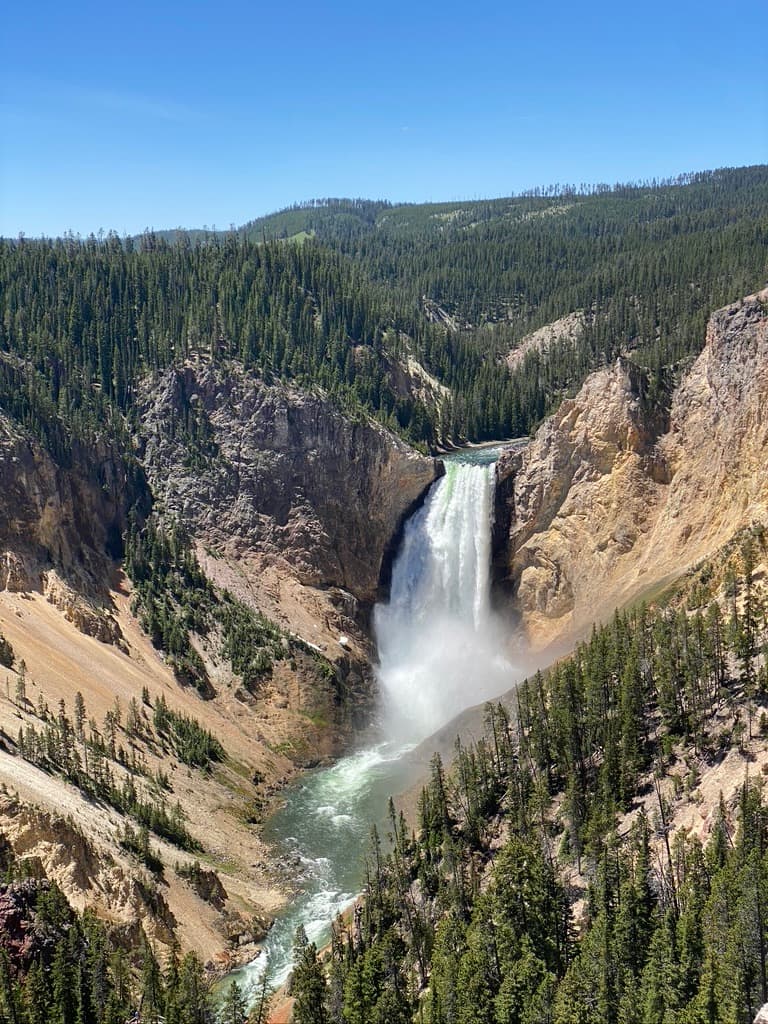
Yellowstone National Park
United States
Maui
Yellowstone National Park
💰 Budget
🛡️ Safety
Maui
Maui is generally very safe for visitors. Petty theft from rental cars at trailheads is the most common crime affecting tourists — never leave valuables visible. Ocean hazards including rip currents, shore break, and high surf cause more tourist injuries than crime. The Road to Hana requires attentive slow driving. Visitors to areas near Lahaina should be respectful of the community's ongoing recovery from the 2023 wildfire.
Yellowstone National Park
Yellowstone is extremely safe from a crime perspective. The real hazards are natural — thermal features that can kill you in seconds, bison that gore more visitors than bears each year, grizzly bears, sudden weather changes, and thin ice on Yellowstone Lake. The park has a strong ranger presence, but help can be hours away in remote areas. Respect wildlife distances, stay on boardwalks near thermal features, and always carry bear spray in the backcountry.
⭐ Ratings
🌤️ Weather
Maui
Maui has a tropical climate with two distinct sides: the leeward (west and south) coasts are sunny and dry nearly year-round, while the windward (north and east) coasts and Hana receive abundant rain from northeast trade winds. Haleakala summit can be cold and windy at any time of year — bring layers. Hurricane season runs June through November but direct hits are rare. Trade winds keep coastal temperatures pleasant even in summer.
Yellowstone National Park
Yellowstone has a high-elevation continental climate dominated by its altitude — most of the park sits at 7,000-8,500 feet, which means summer highs are pleasant but nights are cold year-round, and winters are genuinely severe. Snow is possible in every month. Weather varies enormously across the park: Mammoth (lowest elevation) can be 15°F warmer than Old Faithful on the same day. Always pack layers and rain gear.
🚇 Getting Around
Maui
A rental car is essentially mandatory for exploring Maui beyond resort areas. The Road to Hana, Haleakala National Park, Upcountry Maui, and most beaches are inaccessible without one. Book well in advance — rental car availability is limited and prices spike during peak season. Maui Bus provides limited public transit but has significant gaps in coverage.
Walkability: Maui is not a walkable destination by design. Wailea resort area has a paved beachfront path connecting several hotels and beaches. Parts of Kihei along South Kihei Road are pedestrian-friendly. Downtown Lahaina (pre-fire) was walkable within the historic district. Outside these pockets, walking between destinations is impractical — distances are long and sidewalks are sparse.
Yellowstone National Park
A private vehicle is essentially required — there is no public transit into or through Yellowstone, no reliable rideshare inside the park, and the Grand Loop Road (142 mi figure-8) connects the major sights with distances that demand a car. Xanterra operates in-park shuttle bus tours from the lodges that can supplement but not replace a personal vehicle. In peak summer, expect bison traffic jams that can stop traffic for 30+ minutes, a 45 mph park-wide speed limit, and parking lots that fill by 8-9am at popular features.
Walkability: Yellowstone is not walkable between areas — distances are too great and there are no sidewalks along park roads. Within villages (Old Faithful, Canyon, Mammoth, Lake) you can walk between lodges, restaurants, and visitor centers. Boardwalk systems around geyser basins (Upper, Midway, Lower, Norris, Mammoth) are extensive and allow hours of thermal feature exploration on foot.
The Verdict
Choose Maui if...
you want Hawaii's magazine-cover island — the Road to Hana, Haleakalā sunrise, Molokini snorkeling, winter whales, and Kāʻanapali-Wailea-Kīhei resort coasts
Choose Yellowstone National Park if...
you want the world's first national park — wolves + bison in Lamar Valley and half the planet's geysers on a figure-eight drive
Yellowstone National Park