
Maui
United States
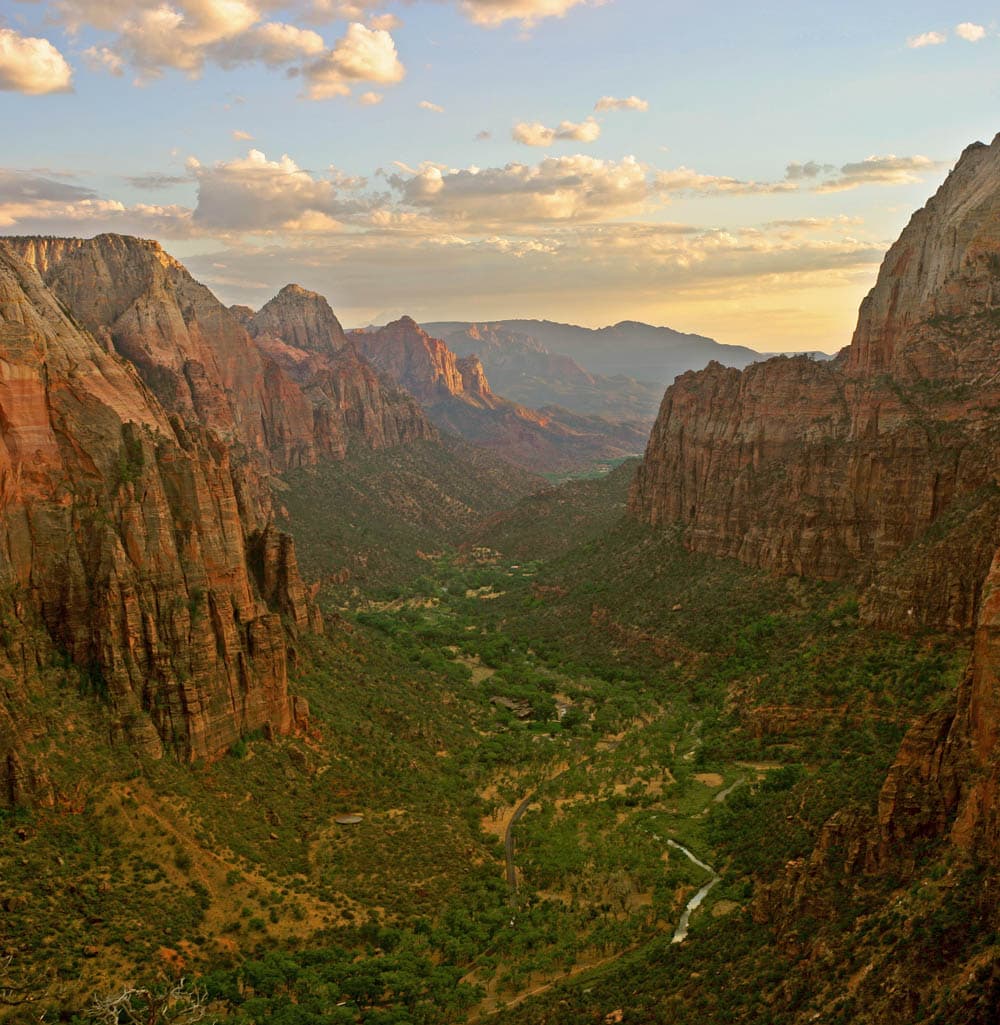
Zion National Park
United States
Maui
Zion National Park
💰 Budget
🛡️ Safety
Maui
Maui is generally very safe for visitors. Petty theft from rental cars at trailheads is the most common crime affecting tourists — never leave valuables visible. Ocean hazards including rip currents, shore break, and high surf cause more tourist injuries than crime. The Road to Hana requires attentive slow driving. Visitors to areas near Lahaina should be respectful of the community's ongoing recovery from the 2023 wildfire.
Zion National Park
Crime at Zion is a non-issue — the real hazards are natural and they kill people every year. Flash floods, falls from Angels Landing, heat illness, hypothermia in the Narrows, and dehydration are the big five. The single most important pre-hike habit: check the NPS flash flood forecast at the visitor center or nps.gov/zion before ANY slot canyon or Narrows trip. "Probable" or "Expected" risk means do not enter — a storm 10 miles upstream can kill you even in bright sunshine at the trailhead.
⭐ Ratings
🌤️ Weather
Maui
Maui has a tropical climate with two distinct sides: the leeward (west and south) coasts are sunny and dry nearly year-round, while the windward (north and east) coasts and Hana receive abundant rain from northeast trade winds. Haleakala summit can be cold and windy at any time of year — bring layers. Hurricane season runs June through November but direct hits are rare. Trade winds keep coastal temperatures pleasant even in summer.
Zion National Park
Zion's desert climate is defined by vertical relief — the canyon floor sits at 4,000 feet while the rims reach 6,500+ feet, meaning conditions can differ by 5-10°C between stops on the same hike. Summer is brutally hot on exposed trails (35-40°C) with dangerous afternoon monsoon thunderstorms and flash flood potential in slot canyons. Winter brings ice on Angels Landing and snow on the rims, with the canyon floor hovering between 0-15°C. Spring and fall are the ideal windows. The Virgin River stays a bracing 10-15°C year-round — plan Narrows gear accordingly.
🚇 Getting Around
Maui
A rental car is essentially mandatory for exploring Maui beyond resort areas. The Road to Hana, Haleakala National Park, Upcountry Maui, and most beaches are inaccessible without one. Book well in advance — rental car availability is limited and prices spike during peak season. Maui Bus provides limited public transit but has significant gaps in coverage.
Walkability: Maui is not a walkable destination by design. Wailea resort area has a paved beachfront path connecting several hotels and beaches. Parts of Kihei along South Kihei Road are pedestrian-friendly. Downtown Lahaina (pre-fire) was walkable within the historic district. Outside these pockets, walking between destinations is impractical — distances are long and sidewalks are sparse.
Zion National Park
Zion's transportation story is simple: the free park shuttle is MANDATORY on the Zion Canyon Scenic Drive April through late November — no private vehicles past Canyon Junction. The shuttle runs a 9-stop loop roughly every 10-15 minutes, takes about 45 minutes end-to-end, and stops at every major trailhead and viewpoint. Springdale (the gateway town) has its own free town shuttle connecting lodges, restaurants, and the park entrance. A private car is only useful on the main drive December through early March, for reaching Kolob Canyons (30 miles northwest, separate entrance), or for the Zion-Mt. Carmel Highway. There is no rideshare service inside the park.
Walkability: Springdale itself is extremely walkable — a linear town strung along Highway 9 with restaurants, outfitters, and lodges all within a mile of each other. Inside the park the shuttle handles the vertical distances; hiking trails are a mix of paved strolls (Riverside Walk, Pa'rus) and serious climbs (Angels Landing, Observation Point). Kolob Canyons has its own scenic drive and short trailheads but is not pedestrian-connected to the main canyon.
The Verdict
Choose Maui if...
you want Hawaii's magazine-cover island — the Road to Hana, Haleakalā sunrise, Molokini snorkeling, winter whales, and Kāʻanapali-Wailea-Kīhei resort coasts
Choose Zion National Park if...
you want red-rock slot canyons, Angels Landing's permit-lottery ridge, and the Narrows waded up the Virgin River
Zion National Park