
Oʻahu
United States
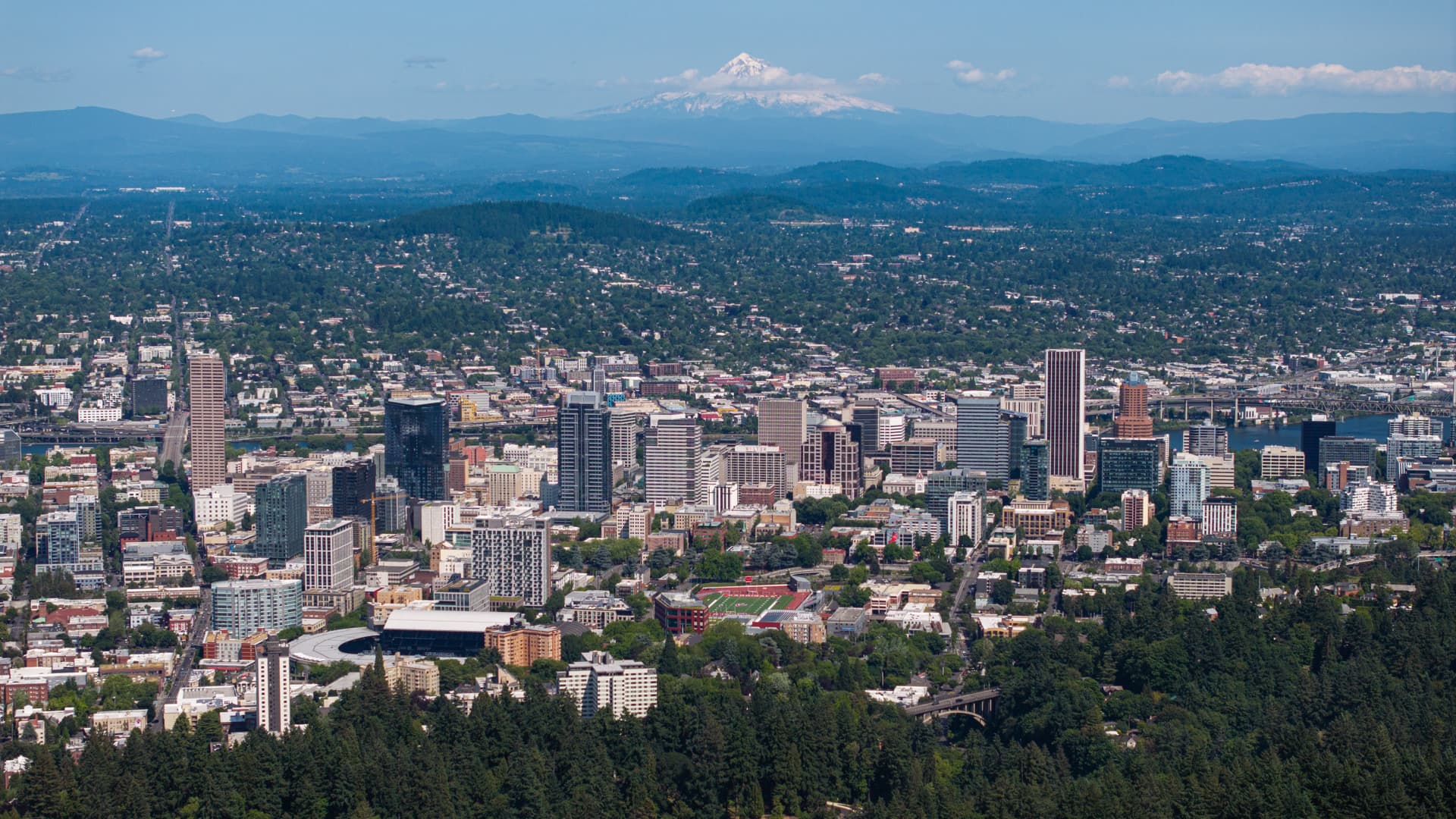
Portland
United States
Oʻahu
Portland
💰 Budget
🛡️ Safety
Oʻahu
Oahu is generally safe for visitors. Violent crime is low in tourist areas. The biggest risks are environmental — big surf, rip currents, reef cuts, sun exposure, and the occasional hiking accident in steep valleys. Petty theft from rental cars at trailheads and beaches is the most common tourist crime.
Portland
Portland is generally safe for tourists but the city has genuinely struggled since 2020. Downtown and Old Town lost considerable foot traffic, and visible homelessness and open drug use are more apparent than in most American cities. West side neighborhoods (Pearl, Nob Hill/NW 23rd, Washington Park) and most east side neighborhoods (Hawthorne, Division, Alberta, Mississippi) feel comfortable day and night. Downtown is improving in 2025-2026 but still patchy after dark.
⭐ Ratings
🌤️ Weather
Oʻahu
Oahu has a tropical climate with just two real seasons — a warmer, drier summer (kau) and a cooler, wetter winter (hooilo). Temperatures stay remarkably steady year-round thanks to trade winds off the Pacific. The leeward (south/west) side is drier and sunnier; the windward (north/east) side is greener and wetter. Expect brief showers that pass quickly, leaving rainbows behind.
Portland
Portland has a cool marine climate — famously rainy, but not in the way visitors expect. The rain is a persistent drizzle, not heavy downpours. Portland actually receives less annual rainfall (about 36 inches) than New York or Houston, but it is spread over 150+ rainy days from October through May. Summers (July through September) are gloriously dry, sunny, and warm. Winter brings occasional snow that typically melts within a day or two.
🚇 Getting Around
Oʻahu
Honolulu has TheBus, one of the most extensive city bus systems in the United States, and the brand-new Skyline rail (first segment opened 2023). But to really see Oahu — especially the North Shore and windward coast — you'll want a rental car for at least part of your trip. Rideshare is widely available in the Honolulu/Waikiki area.
Walkability: Waikiki is very walkable — most hotels, restaurants, and the beach are a short stroll apart. Downtown Honolulu and Chinatown are also pleasant on foot. Outside those areas, the island is built around cars, with long distances, limited sidewalks, and no pedestrian infrastructure on the coastal highways.
Portland
Portland has the most useful public transit of any city its size on the West Coast. MAX light rail (5 lines) connects the airport, downtown, and key suburbs. The Portland Streetcar loops through downtown, the Pearl, and east side neighborhoods. TriMet buses fill in the gaps. Within individual neighborhoods — Pearl, Hawthorne, Alberta, Mississippi, NW 23rd — walking is the right answer. Portland is also one of the best US cycling cities with protected lanes and a cyclists-first culture.
Walkability: Portland is one of the most walkable large cities in the American West — grid-patterned, flat on the east side, and most interesting neighborhoods (Pearl, NW 23rd, Hawthorne, Division, Alberta, Mississippi, Belmont) have dense commercial strips. Downtown blocks are short (only 200 ft) which makes walking feel quicker. Expect rain 9 months of the year — a good waterproof shell is more useful than an umbrella in the Portland wind.
The Verdict
Choose Oʻahu if...
you want Waikiki surf, North Shore waves, Pearl Harbor history, Diamond Head hikes, and aloha spirit in the Pacific
Choose Portland if...
you want craft beer everywhere, no sales tax, food carts, Powell's Books, and the Cascades plus Coast at the doorstep
Portland