
Oʻahu
United States
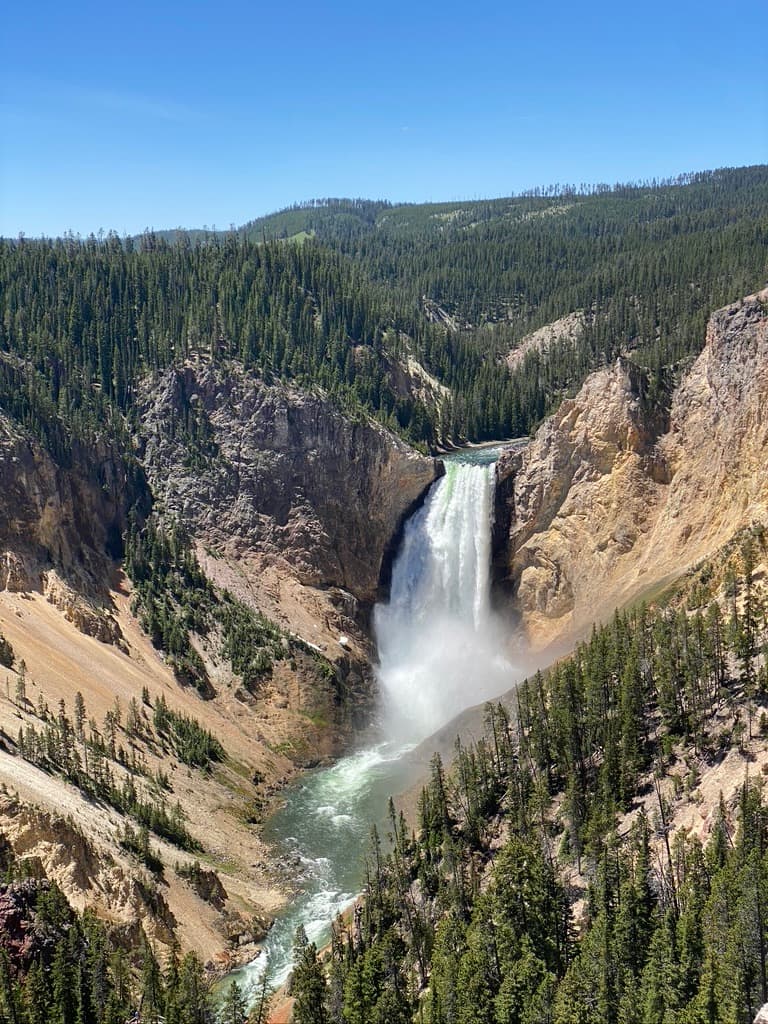
Yellowstone National Park
United States
Oʻahu
Yellowstone National Park
💰 Budget
🛡️ Safety
Oʻahu
Oahu is generally safe for visitors. Violent crime is low in tourist areas. The biggest risks are environmental — big surf, rip currents, reef cuts, sun exposure, and the occasional hiking accident in steep valleys. Petty theft from rental cars at trailheads and beaches is the most common tourist crime.
Yellowstone National Park
Yellowstone is extremely safe from a crime perspective. The real hazards are natural — thermal features that can kill you in seconds, bison that gore more visitors than bears each year, grizzly bears, sudden weather changes, and thin ice on Yellowstone Lake. The park has a strong ranger presence, but help can be hours away in remote areas. Respect wildlife distances, stay on boardwalks near thermal features, and always carry bear spray in the backcountry.
⭐ Ratings
🌤️ Weather
Oʻahu
Oahu has a tropical climate with just two real seasons — a warmer, drier summer (kau) and a cooler, wetter winter (hooilo). Temperatures stay remarkably steady year-round thanks to trade winds off the Pacific. The leeward (south/west) side is drier and sunnier; the windward (north/east) side is greener and wetter. Expect brief showers that pass quickly, leaving rainbows behind.
Yellowstone National Park
Yellowstone has a high-elevation continental climate dominated by its altitude — most of the park sits at 7,000-8,500 feet, which means summer highs are pleasant but nights are cold year-round, and winters are genuinely severe. Snow is possible in every month. Weather varies enormously across the park: Mammoth (lowest elevation) can be 15°F warmer than Old Faithful on the same day. Always pack layers and rain gear.
🚇 Getting Around
Oʻahu
Honolulu has TheBus, one of the most extensive city bus systems in the United States, and the brand-new Skyline rail (first segment opened 2023). But to really see Oahu — especially the North Shore and windward coast — you'll want a rental car for at least part of your trip. Rideshare is widely available in the Honolulu/Waikiki area.
Walkability: Waikiki is very walkable — most hotels, restaurants, and the beach are a short stroll apart. Downtown Honolulu and Chinatown are also pleasant on foot. Outside those areas, the island is built around cars, with long distances, limited sidewalks, and no pedestrian infrastructure on the coastal highways.
Yellowstone National Park
A private vehicle is essentially required — there is no public transit into or through Yellowstone, no reliable rideshare inside the park, and the Grand Loop Road (142 mi figure-8) connects the major sights with distances that demand a car. Xanterra operates in-park shuttle bus tours from the lodges that can supplement but not replace a personal vehicle. In peak summer, expect bison traffic jams that can stop traffic for 30+ minutes, a 45 mph park-wide speed limit, and parking lots that fill by 8-9am at popular features.
Walkability: Yellowstone is not walkable between areas — distances are too great and there are no sidewalks along park roads. Within villages (Old Faithful, Canyon, Mammoth, Lake) you can walk between lodges, restaurants, and visitor centers. Boardwalk systems around geyser basins (Upper, Midway, Lower, Norris, Mammoth) are extensive and allow hours of thermal feature exploration on foot.
The Verdict
Choose Oʻahu if...
you want Waikiki surf, North Shore waves, Pearl Harbor history, Diamond Head hikes, and aloha spirit in the Pacific
Choose Yellowstone National Park if...
you want the world's first national park — wolves + bison in Lamar Valley and half the planet's geysers on a figure-eight drive
Yellowstone National Park