
Panama City
Panama
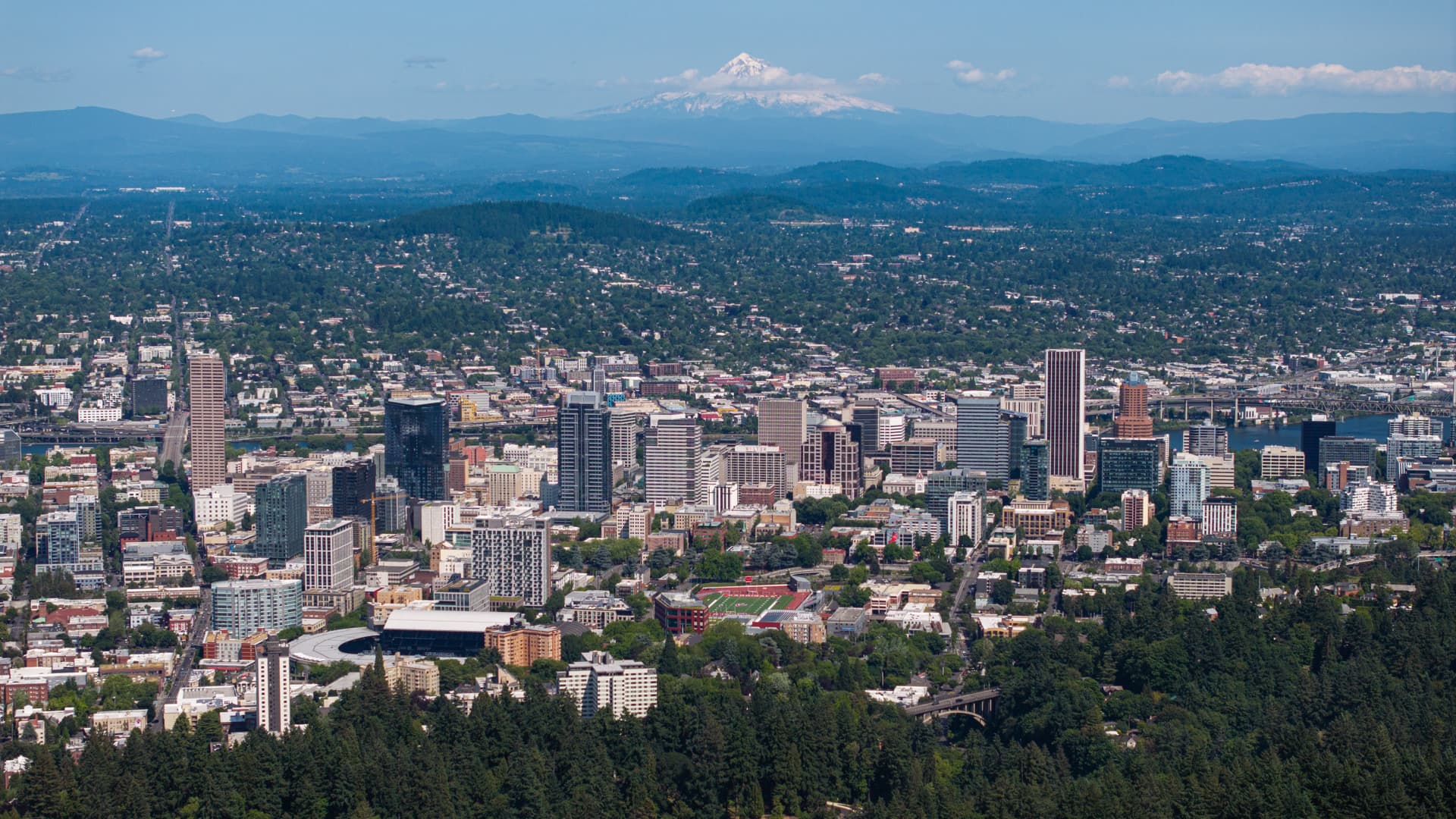
Portland
United States
Panama City
Portland
💰 Budget
🛡️ Safety
Panama City
Panama City is moderately safe for tourists, especially in the main tourist areas of Casco Viejo, the banking district, and the Causeway. However, certain neighborhoods (El Chorrillo, Curundu, parts of Calidonia) have high crime rates and should be avoided. Petty theft is the main concern in tourist zones.
Portland
Portland is generally safe for tourists but the city has genuinely struggled since 2020. Downtown and Old Town lost considerable foot traffic, and visible homelessness and open drug use are more apparent than in most American cities. West side neighborhoods (Pearl, Nob Hill/NW 23rd, Washington Park) and most east side neighborhoods (Hawthorne, Division, Alberta, Mississippi) feel comfortable day and night. Downtown is improving in 2025-2026 but still patchy after dark.
⭐ Ratings
🌤️ Weather
Panama City
Panama City has a tropical climate with a pronounced dry season (mid-December to mid-April) and a long wet season (mid-April to mid-December). Temperatures are consistently hot and humid year-round. Rain during the wet season is heavy but usually comes in afternoon bursts, leaving mornings clear.
Portland
Portland has a cool marine climate — famously rainy, but not in the way visitors expect. The rain is a persistent drizzle, not heavy downpours. Portland actually receives less annual rainfall (about 36 inches) than New York or Houston, but it is spread over 150+ rainy days from October through May. Summers (July through September) are gloriously dry, sunny, and warm. Winter brings occasional snow that typically melts within a day or two.
🚇 Getting Around
Panama City
Panama City has the best public transit in Central America thanks to its modern Metro system and extensive MetroBus network. Uber is widely used and affordable. Traffic congestion is severe during rush hours (7-9 AM, 4-7 PM), so the Metro is often faster than driving.
Walkability: Casco Viejo is compact and walkable. The Cinta Costera promenade is excellent for walking or jogging along the waterfront. However, the wider city is spread out and not pedestrian-friendly — sidewalks disappear in many areas and traffic is aggressive. Use the Metro and Uber for distances beyond Casco Viejo.
Portland
Portland has the most useful public transit of any city its size on the West Coast. MAX light rail (5 lines) connects the airport, downtown, and key suburbs. The Portland Streetcar loops through downtown, the Pearl, and east side neighborhoods. TriMet buses fill in the gaps. Within individual neighborhoods — Pearl, Hawthorne, Alberta, Mississippi, NW 23rd — walking is the right answer. Portland is also one of the best US cycling cities with protected lanes and a cyclists-first culture.
Walkability: Portland is one of the most walkable large cities in the American West — grid-patterned, flat on the east side, and most interesting neighborhoods (Pearl, NW 23rd, Hawthorne, Division, Alberta, Mississippi, Belmont) have dense commercial strips. Downtown blocks are short (only 200 ft) which makes walking feel quicker. Expect rain 9 months of the year — a good waterproof shell is more useful than an umbrella in the Portland wind.
The Verdict
Choose Panama City if...
you want the Panama Canal visitor centers, Casco Viejo's UNESCO colonial core, Ancon Hill jungle, and the San Blas islands by 4x4 + boat
Choose Portland if...
you want craft beer everywhere, no sales tax, food carts, Powell's Books, and the Cascades plus Coast at the doorstep
Panama City
Portland