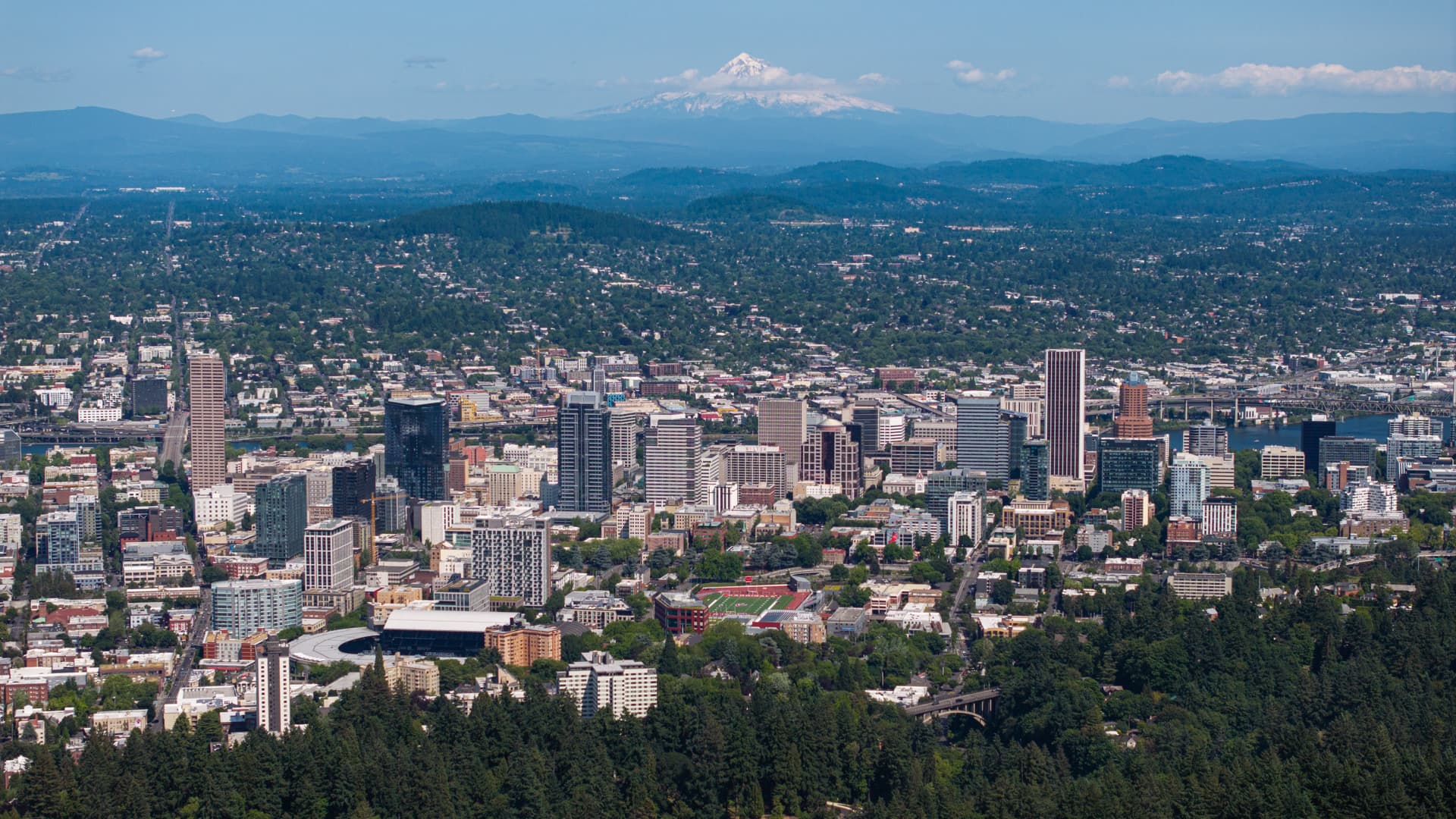
Portland
United States

Savannah
United States
Portland
Savannah
💰 Budget
🛡️ Safety
Portland
Portland is generally safe for tourists but the city has genuinely struggled since 2020. Downtown and Old Town lost considerable foot traffic, and visible homelessness and open drug use are more apparent than in most American cities. West side neighborhoods (Pearl, Nob Hill/NW 23rd, Washington Park) and most east side neighborhoods (Hawthorne, Division, Alberta, Mississippi) feel comfortable day and night. Downtown is improving in 2025-2026 but still patchy after dark.
Savannah
The historic district is generally safe during the day and into the evening, with a heavy tourist-police presence and well-lit main streets. Savannah has a higher violent-crime rate than Charleston by raw numbers, mostly concentrated in neighborhoods north and west of the historic district that tourists rarely visit. The most common visitor issues are car break-ins, aggressive panhandling near River Street, and overdoing it on to-go cups.
⭐ Ratings
🌤️ Weather
Portland
Portland has a cool marine climate — famously rainy, but not in the way visitors expect. The rain is a persistent drizzle, not heavy downpours. Portland actually receives less annual rainfall (about 36 inches) than New York or Houston, but it is spread over 150+ rainy days from October through May. Summers (July through September) are gloriously dry, sunny, and warm. Winter brings occasional snow that typically melts within a day or two.
Savannah
Savannah has a humid subtropical climate — mild winters, long pollen-heavy springs, and notoriously muggy summers where the heat index regularly crosses 105°F. Hurricane season runs June 1 through November 30, with highest risk in August-September. Spring (March-May) and late autumn (October-November) are the clear sweet spots.
🚇 Getting Around
Portland
Portland has the most useful public transit of any city its size on the West Coast. MAX light rail (5 lines) connects the airport, downtown, and key suburbs. The Portland Streetcar loops through downtown, the Pearl, and east side neighborhoods. TriMet buses fill in the gaps. Within individual neighborhoods — Pearl, Hawthorne, Alberta, Mississippi, NW 23rd — walking is the right answer. Portland is also one of the best US cycling cities with protected lanes and a cyclists-first culture.
Walkability: Portland is one of the most walkable large cities in the American West — grid-patterned, flat on the east side, and most interesting neighborhoods (Pearl, NW 23rd, Hawthorne, Division, Alberta, Mississippi, Belmont) have dense commercial strips. Downtown blocks are short (only 200 ft) which makes walking feel quicker. Expect rain 9 months of the year — a good waterproof shell is more useful than an umbrella in the Portland wind.
Savannah
Savannah's historic district is small, flat, and gorgeously walkable — the entire square grid is about 1 mile by 1.5 miles. The DOT (Downtown Transportation) shuttle runs for free through the historic district, which solves most in-town needs. Rideshare fills the gaps, and a rental car is worth it only if you're doing Tybee Island or the plantations. Bikes are a great option in the flat, shaded squares.
Walkability: The historic district is one of the most walkable neighborhoods in the American South — designed in 1733 as a pedestrian grid, flat, deeply shaded by live oaks, with a square to rest in every 2-3 blocks. The main hazards are uneven brick sidewalks and the cobblestones on River Street. Outside the historic district and Starland, the city becomes car-dependent fast.
The Verdict
Choose Portland if...
you want craft beer everywhere, no sales tax, food carts, Powell's Books, and the Cascades plus Coast at the doorstep
Choose Savannah if...
you want Spanish-moss cobblestones, open-container historic squares, and low-country cuisine in America's most perfectly preserved colonial grid
Portland
Savannah