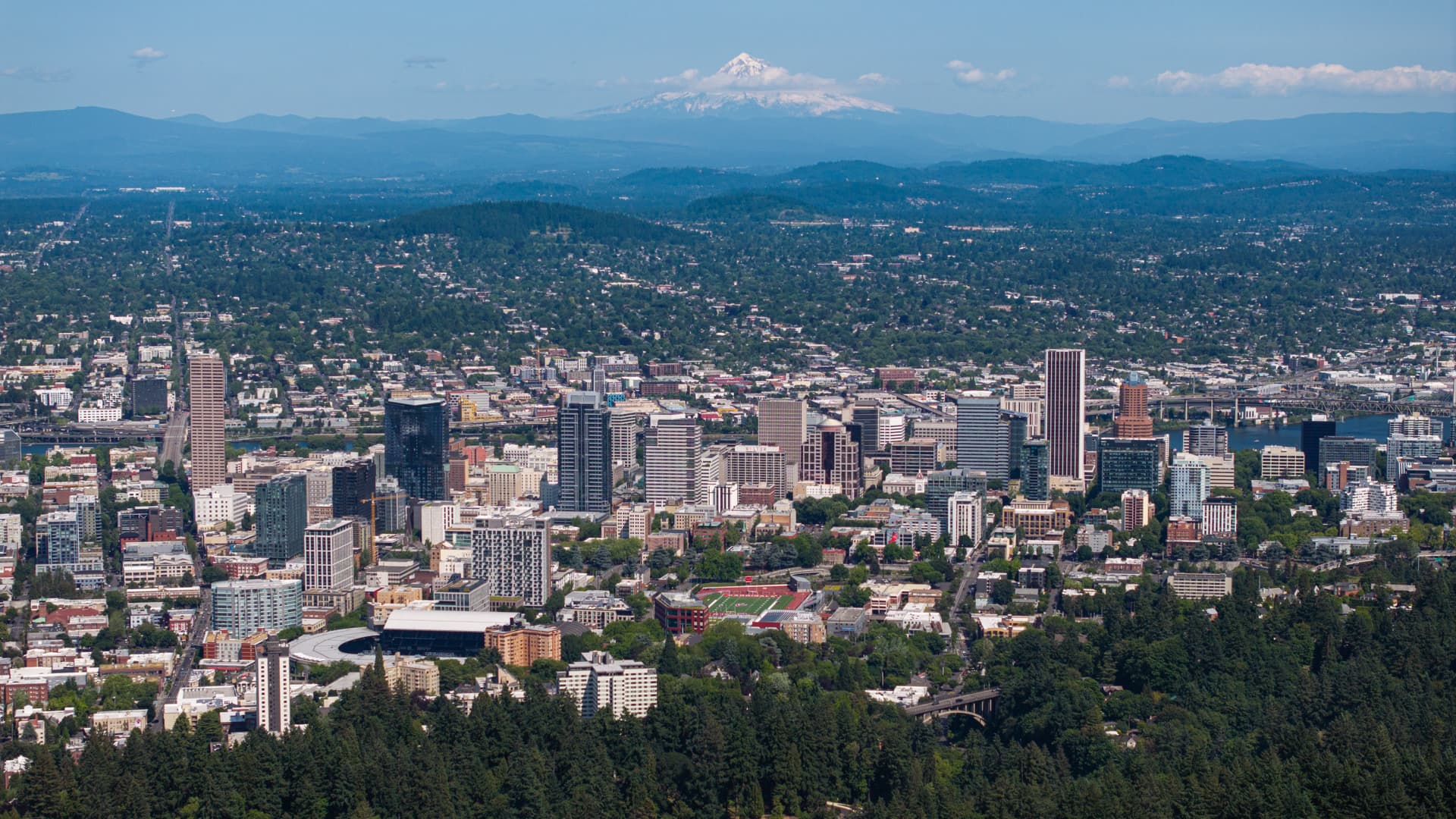
Portland
United States

Washington, D.C.
United States
Portland
Washington, D.C.
💰 Budget
🛡️ Safety
Portland
Portland is generally safe for tourists but the city has genuinely struggled since 2020. Downtown and Old Town lost considerable foot traffic, and visible homelessness and open drug use are more apparent than in most American cities. West side neighborhoods (Pearl, Nob Hill/NW 23rd, Washington Park) and most east side neighborhoods (Hawthorne, Division, Alberta, Mississippi) feel comfortable day and night. Downtown is improving in 2025-2026 but still patchy after dark.
Washington, D.C.
Tourist areas of DC — the National Mall, Capitol Hill, Downtown, Georgetown, Dupont Circle, and Foggy Bottom — are generally safe during the day and well into the evening. Like any major US city, DC has neighborhoods with higher crime, mostly in parts of Southeast and Northeast that tourists rarely visit. Petty theft, car break-ins, and occasional phone snatching are the main concerns.
⭐ Ratings
🌤️ Weather
Portland
Portland has a cool marine climate — famously rainy, but not in the way visitors expect. The rain is a persistent drizzle, not heavy downpours. Portland actually receives less annual rainfall (about 36 inches) than New York or Houston, but it is spread over 150+ rainy days from October through May. Summers (July through September) are gloriously dry, sunny, and warm. Winter brings occasional snow that typically melts within a day or two.
Washington, D.C.
Washington, DC has a humid subtropical climate with four distinct seasons. Summers are famously hot and sticky (the city was built on reclaimed swampland), while winters are cold but rarely extreme. Spring and fall are glorious and are the best times to visit.
🚇 Getting Around
Portland
Portland has the most useful public transit of any city its size on the West Coast. MAX light rail (5 lines) connects the airport, downtown, and key suburbs. The Portland Streetcar loops through downtown, the Pearl, and east side neighborhoods. TriMet buses fill in the gaps. Within individual neighborhoods — Pearl, Hawthorne, Alberta, Mississippi, NW 23rd — walking is the right answer. Portland is also one of the best US cycling cities with protected lanes and a cyclists-first culture.
Walkability: Portland is one of the most walkable large cities in the American West — grid-patterned, flat on the east side, and most interesting neighborhoods (Pearl, NW 23rd, Hawthorne, Division, Alberta, Mississippi, Belmont) have dense commercial strips. Downtown blocks are short (only 200 ft) which makes walking feel quicker. Expect rain 9 months of the year — a good waterproof shell is more useful than an umbrella in the Portland wind.
Washington, D.C.
DC has an excellent public transit system run by WMATA (Washington Metropolitan Area Transit Authority). The Metro (subway) and Metrobus cover the city and much of the Maryland and Virginia suburbs. A SmarTrip card (or contactless phone tap) works across all Metro, bus, and Capital Bikeshare. Driving downtown is frustrating and parking is very expensive — transit or walking is the way to go.
Walkability: Central DC is one of the most walkable cities in the US, with wide sidewalks, a clear street grid, and short blocks. The National Mall itself is longer than it looks on maps (roughly 3 km end to end), so plan accordingly. Georgetown and Capitol Hill are especially pleasant on foot, though some DC hills can be steep.
The Verdict
Choose Portland if...
you want craft beer everywhere, no sales tax, food carts, Powell's Books, and the Cascades plus Coast at the doorstep
Choose Washington, D.C. if...
you want world-class museums (all free), iconic monuments, Metro convenience, and four seasons of American political history
Portland
Washington, D.C.