
Glacier National Park
Northern Montana's crown — a million acres of jagged peaks, ice-blue lakes, and dwindling glaciers (26 left, down from 150 in 1850). The Going-to-the-Sun Road across Logan Pass is one of the world's great drives, open only late June through mid-October. Grizzlies are serious here — bear spray isn't optional. Amtrak's Empire Builder actually stops at the park, a rarity for U.S. national parks.
Tours & Experiences
Browse bookable tours, activities, and day trips in Glacier National Park
📍 Points of Interest
Loading map...
At a Glance
- Pop.
- No permanent residents; ~3M visitors/year
- Timezone
- Denver
- Dial
- +1
- Emergency
- 911
Glacier joined with Canada's Waterton Lakes National Park in 1932 to form Waterton-Glacier International Peace Park — the first international peace park in the world, now a shared UNESCO World Heritage Site and Biosphere Reserve
Roughly 26 active glaciers remain in the park today, down from about 150 in 1850 — USGS models predict most will be gone between 2030 and 2050, making "Glacier National Park" a name with a deadline
The park contains the densest grizzly bear population in the contiguous United States alongside black bears, mountain goats, bighorn sheep, moose, wolverines, and lynx — carrying bear spray is effectively mandatory on any trail
The Going-to-the-Sun Road — a 50-mile engineering marvel completed in 1932 — crosses the Continental Divide at 6,646-foot Logan Pass and typically opens only late June/early July through mid-October
Glacier is one of the only US national parks served by passenger rail — Amtrak's Empire Builder (Seattle-Chicago) stops at West Glacier, Essex (flag stop), and East Glacier seasonally
The park spans over 1 million acres along Montana's Canadian border with 700+ miles of trails, 700+ lakes, and 175 named mountains — locals and the Blackfeet Nation call it the "Crown of the Continent"
Top Sights
Going-to-the-Sun Road
📌A 50-mile National Historic Landmark crossing the park from West Glacier to St. Mary, climbing to the Continental Divide at Logan Pass. Built 1921-1932, it hugs cliffs, passes hanging waterfalls, and delivers some of the most dramatic roadside scenery in America. Typically opens late June or early July (weather-dependent) and closes by mid-October. Vehicle reservations are often required in peak summer — check the current year on NPS.gov before you arrive.
Logan Pass & Hidden Lake Trail
📌The 6,646-foot summit of Going-to-the-Sun and the trailhead for two of the park's most popular walks. The 2.7-mile Hidden Lake Overlook trail crosses an alpine meadow famous for mountain goats and bighorn sheep almost posing for photos. Parking fills before 8am in July-August — arrive at dawn or take the free shuttle from Apgar or St. Mary.
Grinnell Glacier Trail
📌The park's signature hike and still one of the best glacier-viewing trails in the Lower 48. Roughly 10 miles round trip from Many Glacier (shortened with a boat shuttle across Swiftcurrent and Josephine lakes), passing waterfalls and climbing to the foot of Grinnell Glacier's milky turquoise meltwater lake. Grizzly country — bear spray mandatory, hike in groups, make noise.
Many Glacier
📌The wild, glacier-carved eastern basin many visitors never reach — arguably the most beautiful section of the park. Home to Grinnell Glacier, Iceberg Lake, Ptarmigan Tunnel, and the 1915 Swiss-style Many Glacier Hotel on Swiftcurrent Lake. Grizzly density here is the highest in the park; wildlife sightings from the hotel porch are routine.
Lake McDonald
📌The park's largest lake (10 miles long, 472 feet deep) on the west side, framed by forested ridges and famous for its multicolored pebbles in the shallows. Historic Lake McDonald Lodge (1914) anchors the south shore with a log-and-stone great room and boat tours across the lake. The easiest major scenery in the park — accessible directly off Going-to-the-Sun's western approach.
St. Mary Lake & Wild Goose Island
📌On the east side, a long glacier-carved lake with a tiny timbered island — Wild Goose Island — that sits dead-center in one of the most photographed viewpoints in any US national park. Best in early morning light. Pull-off is roadside on Going-to-the-Sun just east of Logan Pass; boat tours depart from Rising Sun.
Highline Trail
📌An 11.8-mile traverse from Logan Pass to Granite Park Chalet, cut into the Garden Wall cliff face on exposed narrow ledges (a hand cable is bolted to the rock on the most vertiginous section). The view of McDonald Valley 3,000 feet below is unmatched. Most hikers return via "The Loop" shuttle stop on Going-to-the-Sun — check shuttle schedules carefully.
Avalanche Lake
📌The park's most family-friendly signature hike — a 4.6-mile round trip through the Trail of the Cedars (ancient western red cedar boardwalk) climbing gently to an alpine lake ringed by waterfalls pouring off Sperry Glacier's bowl. Crowded midday in summer but the scenery and modest grade make it worth the company.
Off the Beaten Path
Many Glacier (The Locals' Favorite)
The most iconic basin in the park and somehow still the area most day-trippers skip, because it's a 55-mile drive from West Glacier around the south end of the park (Going-to-the-Sun does not connect to it). Grinnell Glacier, Iceberg Lake, Ptarmigan Tunnel, Swiftcurrent Pass — the best single-day hiking concentration in the park starts here.
If you only have one full day and can commit to a pre-dawn start from West Glacier, Many Glacier is where a local tells you to go. The historic Many Glacier Hotel's lakeside lobby with grizzly viewing from rocking chairs is a proper classic American national park experience.
Polebridge Mercantile
An off-grid historic general store in the tiny hamlet of Polebridge in the park's remote North Fork. Known for huckleberry bear claws baked each morning that routinely sell out by late morning. No cell service, no grid power, a gravel road in, and an adjacent saloon (Northern Lights) for dinner. The North Fork road accesses Kintla and Bowman lakes — among the park's least-crowded.
Polebridge is the kind of place that still feels undiscovered even in 2026 because the 35-mile gravel access road filters the crowds. Timing a visit for morning bear claws plus an afternoon at Bowman Lake is the quintessential "locals' day" in Glacier.
Two Medicine
Once a major Great Northern Railway destination and the original "front door" of Glacier before Going-to-the-Sun was built. Today it's a beautifully uncrowded valley with a gorgeous lake, a historic camp store that served as a setting for the Blackfeet-adjacent history of the park, and trails to Twin Falls, Scenic Point, and Upper Two Medicine Lake.
Two Medicine offers near-Many-Glacier-level scenery with a fraction of the visitors. The east-side location near the Blackfeet Reservation and sunset light on Sinopah Mountain reflected in the lake are both unforgettable.
Ptarmigan Tunnel
A 183-foot tunnel literally cut through the Ptarmigan Wall in 1930-1931 so hikers could pass from the Many Glacier valley into the Belly River country to the north. A strenuous 10.4-mile round trip from the Iceberg Lake trailhead, with iron gates at either end that rangers lock each fall.
Walking through a mountain tunnel built by the CCC nearly a century ago and emerging to a totally different valley is a genuinely bizarre and wonderful thing to do. Time it for a sunny morning so the north side is lit when you emerge.
Red Bus Tours
Guided tours in restored 1930s "jammer" buses — so named because drivers had to jam the gears climbing Going-to-the-Sun. The fleet of 33 red buses is the oldest touring fleet anywhere in the world and has been rolling here since 1936. Departures from Glacier Park Lodge (East Glacier), Apgar, Many Glacier Hotel, and Lake McDonald Lodge.
A Red Bus tour across Going-to-the-Sun is the closest you can get to riding into the park the way visitors did in the 1930s. Tops roll back on sunny days. Book weeks ahead in summer.
Insider Tips
Climate & Best Time to Go
Monthly climate & crowd levels
Glacier has an aggressively short, intense summer season bookended by long winters and unpredictable shoulder seasons. The visitable window is effectively mid-June to mid-September — Going-to-the-Sun Road usually opens late June or early July (Logan Pass can hold 80 feet of snow into May) and closes by mid-October. Within that window weather shifts hour-by-hour: a cool foggy morning at Lake McDonald often becomes a 25°C afternoon at Logan Pass, then a thunderstorm at 4pm, then clear starlight by 10pm. Always pack layers, always carry rain gear, and never assume a dawn temperature predicts the afternoon.
Spring
April - early June23-59°F
-5-15°C
Deep snow lingers at elevation well into June — Logan Pass is typically still buried. Lower valleys (Apgar, Lake McDonald) green up and wildflowers emerge at low elevations, but Going-to-the-Sun remains closed above the Loop until the plow crews finish (annually late June or early July). Bears emerge from hibernation in April-May; wildlife viewing in lower valleys is excellent. Facilities stage-open through June.
Summer
mid-June - August41-81°F
5-27°C
The visitable core. Cool mornings in the 5-10°C range warm to 20-25°C afternoons at valley elevations; Logan Pass stays 5-10°C cooler. Afternoon thunderstorms are routine (plan hikes to be off exposed passes by 2pm). Wildfire smoke from regional fires is common August into September and can flatten visibility for days — watch AirNow.gov. Longest daylight of the year (almost 16 hours in late June).
Autumn
September - October23-64°F
-5-18°C
A magnificent, unpredictable window. Early September can still feel summery; late September brings golden larches in the Two Medicine and Many Glacier areas and the first snows at Logan Pass. Going-to-the-Sun typically closes by mid-October. Shoulder-season crowds drop sharply after Labor Day. Wildfire smoke can still be a factor in early September.
Winter
November - March-4-28°F
-20 to -2°C
Most of the park closes. Going-to-the-Sun Road is closed past Lake McDonald Lodge; most lodges, visitor centers, and campgrounds are shuttered. Apgar and a few trailheads stay plowed for cross-country skiing and snowshoeing. Temperatures regularly hit -20°C and Arctic outbreaks can push colder. A quiet, striking park for experienced winter travelers with proper gear.
Best Time to Visit
Late July through mid-September is the sweet spot. Going-to-the-Sun is typically fully open by early July; alpine wildflowers peak mid-to-late July; Logan Pass snow drifts finish clearing; late August through mid-September brings cooler days, smaller crowds, and early autumn color. The two notorious gotchas: June is often still snowy at Logan Pass with Going-to-the-Sun's alpine section closed, and wildfire smoke in late August through early September can flatten visibility for a week or more most years. October is quiet and beautiful but the road closes by mid-month. Winter is cross-country-ski only.
Spring (April - early June)
Crowds: Low to moderateGoing-to-the-Sun is closed past Lake McDonald Lodge and Logan Pass still has 40-80 feet of snow on it. Lower valleys green up and wildflowers emerge at low elevation in May-June. Cyclists get the alpine section car-free during the plow-out window (typically late April through late June depending on snowpack). Most facilities staged-open through June.
Pros
- + Car-free cycling on alpine Going-to-the-Sun
- + Bears emerging from hibernation
- + Much lower prices on lodging
- + Near-empty trails at valley elevations
Cons
- − Going-to-the-Sun alpine section closed until late June/early July
- − Logan Pass unreachable by car
- − Many facilities not yet open
- − Cold, wet weather likely
Summer (July - August)
Crowds: Extremely highPeak season and the only window when the full park is open and accessible. Going-to-the-Sun typically opens end-June or early-July; Logan Pass parking fills by 7-8am; lodge rooms booked 12 months in advance. July-August offer warmest weather, longest days, best wildflower display, and maximum crowds. Vehicle reservations on Going-to-the-Sun are in effect most recent years.
Pros
- + Full park accessibility
- + Wildflowers peak mid-to-late July
- + Longest days (nearly 16 hours of daylight)
- + Warmest hiking conditions
Cons
- − Extremely crowded, especially Logan Pass and Avalanche Lake
- − Vehicle reservations often required for Going-to-the-Sun
- − Lodges require 12-month advance booking
- − Wildfire smoke possible from late July onward
Early Autumn (September - mid-October)
Crowds: Moderate in early September, low by late SeptemberArguably the best month for many experienced visitors. September cools nights into the 30s°F and days into the 60s-70s, crowds thin sharply after Labor Day, and wildflowers give way to golden larches (especially in Two Medicine) in late September. Most facilities begin closing in mid-September and Going-to-the-Sun typically closes by mid-October. Early September can still have wildfire smoke.
Pros
- + Dramatically fewer crowds after Labor Day
- + Golden larches in Two Medicine / Many Glacier
- + Cooler hiking weather
- + Lower lodge rates
Cons
- − Wildfire smoke still possible in early September
- − Facilities begin closing mid-September
- − Some trails icy by late September
- − Going-to-the-Sun closes mid-October
Winter (November - March)
Crowds: Very lowMost of the park closes. Going-to-the-Sun is shut past Lake McDonald Lodge; most lodges and visitor centers are shuttered. A handful of trails and the Apgar area remain accessible for cross-country skiing, snowshoeing, and ice fishing. Temperatures regularly hit -20°C and colder. Experienced winter travelers only — no plowed backcountry access, no rescue for most areas.
Pros
- + Empty park
- + Excellent cross-country skiing at Apgar and Polebridge
- + Wolf tracking on the North Fork road
Cons
- − Most roads, lodges, and facilities closed
- − Extreme cold possible
- − Going-to-the-Sun alpine section completely inaccessible
- − Limited services and guided options
🎉 Festivals & Events
Going-to-the-Sun Road Opening
Late June / early JulyNot a formal festival, but a massive local event — the date the NPS announces the road is fully open to vehicles is front-page news in Kalispell and Whitefish. Cyclists make a tradition of riding the road the last weekend before it opens to cars.
Glacier Institute Educational Programs
June - SeptemberMulti-day field courses in Glacier natural history, wildlife biology, wildflower identification, photography, and Blackfeet cultural history — taught inside the park by expert instructors. Fills months ahead.
North American Indian Days (Browning, MT)
Early JulyA major four-day Blackfeet powwow in Browning (30 miles east of East Glacier), with traditional dancing, drumming, rodeo, and games. Open to respectful visitors — a meaningful complement to visiting the park.
Whitefish Winter Carnival
Late January / early FebruaryThe winter gateway-town festival with parades, a "Royal Court," and ski events at Whitefish Mountain Resort. Good reason to add a Glacier winter trip to a ski vacation base.
Safety Breakdown
Moderate
out of 100
Glacier is extremely safe from a crime perspective but is genuinely serious wilderness with real consequences. The park holds the densest grizzly population in the contiguous US plus black bears throughout — bear spray is not optional, it is a piece of required equipment. Add the exposed cliff-edge driving on Going-to-the-Sun, sudden mountain thunderstorms with lightning on high passes, hypothermia risk even in August, hanging glaciers and rockfall, cold glacier-fed stream crossings, and late-summer wildfire smoke, and the hazard profile is genuinely different from most other US parks. Rangers are superb but help can be hours away in the backcountry.
Things to Know
- •Bear spray is non-negotiable on every trail — carry it in a hip or chest holster, not inside a pack. Practice removing the safety before you need it. Buy or rent it in Kalispell, Whitefish, West Glacier, or St. Mary (it cannot fly in checked or carry-on luggage).
- •Hike in groups of three or more, make noise in brushy sections (sing, clap, shout "hey bear" around blind corners), and never wear headphones on the trail — surprising a grizzly at close range is the single most dangerous thing you can do here.
- •Store all food, toiletries, cosmetics, and scented items in hard-sided vehicles or bear boxes at campsites — no exceptions. No eating, cooking, or storing anything scented in a tent.
- •Going-to-the-Sun Road has a vehicle length limit of 21 feet (including bumpers) and 8 feet wide on the alpine section between Avalanche Creek and Sun Point — check this if you have an RV or trailer. There are pull-offs, but the road has no shoulder in many places and sheer drops.
- •Afternoon thunderstorms build most summer days — plan to be off Logan Pass, the Highline, Grinnell Glacier, and any exposed ridge by 2pm to avoid lightning exposure.
- •Mountain goats and bighorn sheep at Logan Pass are habituated but still wild — stay 25 yards back, do not feed them, and never pose children for photos with wildlife in the frame.
- •Glacier-fed stream crossings on backcountry trails can run fast and bone-cold in July; trekking poles and unbuckled hip belts (so you can shed your pack if you fall) are basic practice.
- •Wildfire smoke from August into mid-September is common and can be severe — check AirNow.gov and NPS conditions pages daily, and consider moving plans to Two Medicine or the east side if the west side is smoked in.
- •Hypothermia is a real risk even in summer — a 10°C rainstorm at Logan Pass with wind can drop your core temperature in 30 minutes. Always carry rain gear and a warm layer.
Natural Hazards
Emergency Numbers
General Emergency
911
Glacier NP Dispatch (24/7)
406-888-7800
Park Headquarters (West Glacier)
406-888-7800
Kalispell Regional Medical Center
406-752-5111
Blackfeet Community Hospital (Browning)
406-338-6100
North Valley Hospital (Whitefish)
406-863-3500
Costs & Currency
Where the money goes
USD per dayQuick cost estimate
Customize per category →Estimates based on regional averages. Flight prices vary by season and airline.
budget
$80-150
Campground ($20-40) or Whitefish/Kalispell hostel/motel, grocery food, self-drive sightseeing, free NPS shuttle, ranger programs
mid-range
$280-500
In-park lodge room or mid-range gateway hotel, lodge restaurant dinners, one guided activity, Red Bus tour
luxury
$700+
Many Glacier Hotel lakeside suite or Lake McDonald Lodge cabin, fine dining at Russell's Fireside or Ptarmigan Dining Room, private guide or scenic flight
Typical Costs
| Item | Local | USD |
|---|---|---|
| Park EntryPrivate vehicle, 7-day pass | USD 35 | $35 |
| Park EntryAmerica the Beautiful annual pass (all NPS sites) | USD 80 | $80 |
| Park EntryGoing-to-the-Sun vehicle reservation (if required) | USD 2 | $2 |
| AccommodationCampground (NPS, most reservable) | USD 20-40 | $20-40 |
| AccommodationRising Sun Motor Inn (in-park east side) | USD 180-280 | $180-280 |
| AccommodationVillage Inn at Apgar (in-park west side) | USD 200-320 | $200-320 |
| AccommodationLake McDonald Lodge room | USD 250-450 | $250-450 |
| AccommodationMany Glacier Hotel room | USD 280-500 | $280-500 |
| AccommodationGateway hotel (Whitefish, summer mid-range) | USD 200-350 | $200-350 |
| AccommodationIzaak Walton Inn (Essex, historic railway) | USD 200-400 | $200-400 |
| FoodCafeteria lunch at lodge | USD 14-22 | $14-22 |
| FoodSit-down dinner at lodge dining room | USD 35-65 | $35-65 |
| FoodPolebridge huckleberry bear claw | USD 6-8 | $6-8 |
| TransportGasoline (per gallon, West Glacier area) | USD 3.80 | $3.80 |
| TransportCar rental per day (FCA) | USD 70-180 | $70-180 |
| TransportAmtrak Empire Builder coach (Seattle to West Glacier) | USD 120-250 | $120-250 |
| ActivitiesRed Bus half-day tour | USD 55-75 | $55-75 |
| ActivitiesRed Bus full-day Going-to-the-Sun tour | USD 85-110 | $85-110 |
| ActivitiesGlacier Park Boat Company lake cruise | USD 20-35 | $20-35 |
| ActivitiesBackcountry permit (per person per night) | USD 7 | $7 |
| GearBear spray (can, purchase) | USD 50-60 | $50-60 |
| GearBear spray (rental in Whitefish/West Glacier) | USD 8-12/day | $8-12/day |
💡 Money-Saving Tips
- •Buy the America the Beautiful annual pass ($80) if you'll visit any other NPS site (Yellowstone, Grand Teton, Olympic, Rocky) within 12 months — it pays for itself in 3 entries
- •Book Xanterra in-park lodges 12-13 months in advance — summer rooms at Many Glacier Hotel and Lake McDonald Lodge typically sell out the day the reservation window opens
- •Stay in Whitefish or Kalispell (outside the park) and commute in — gateway lodging is 30-50% cheaper than in-park lodges
- •Ride the Amtrak Empire Builder from Seattle, Portland, or Chicago — skip the rental car for a few days and let the train handle a gorgeous scenic leg
- •Camp inside the park — NPS campgrounds run $20-40 vs. $250+ for lodge rooms and put you exactly where you need to be at 6am
- •Rent bear spray instead of buying if you're staying 4 days or fewer (~$10/day in Whitefish/West Glacier)
- •Eat breakfast and pack lunch from grocery runs in Kalispell or Whitefish — in-park food is expensive and lines are long at lodge cafeterias
- •Use the free NPS shuttle on Going-to-the-Sun Road to avoid parking-lot headaches at Logan Pass (no cost, no reservation)
US Dollar
Code: USD
US dollars only inside the park. Canadian visitors arriving from Waterton Lakes should change money in Kalispell, Whitefish, or at a gateway-town ATM — the park itself has very limited currency exchange. ATMs are available at Lake McDonald Lodge, Apgar Village, Many Glacier Hotel, and in all gateway towns. Cell service is unreliable throughout the park; do not depend on mobile-only payment apps, and carry some cash for small east-side vendors and primitive campgrounds.
Payment Methods
Credit and debit cards accepted at all Xanterra lodges, restaurants, gas stations, and major gift shops. Contactless and Apple/Google Pay work at most lodge points-of-sale. Cash is useful in small amounts for tips, Polebridge Mercantile and other small east-side/Polebridge vendors (card accepted but cash smoother), Blackfeet Reservation vendors, and primitive campground self-service fee stations. Cell signal is poor throughout the park — do not count on mobile payment apps that need data.
Tipping Guide
18-22% is the US standard for table service; 20% is the reliable default. Lodge dining rooms (Russell's, Ptarmigan, Jammer Joe's Pizzeria) follow normal US practice. Cafeteria and counter-service at park lodges don't require tipping but tip jars are appreciated.
$1-2 per drink for simple orders, 18-20% for cocktails or bar meals. Lodge bars (Lake McDonald, Many Glacier Hotel) follow normal US tipping.
$10-20 per person for a half-day tour, $20-40 for a full-day tour. These drivers are also your guide and handle a demanding drive on Going-to-the-Sun — tip accordingly.
15-20% of the trip cost for private or small-group guides. Boat tour captains (Glacier Park Boat Company): $2-5 per person.
$2-5 per bag for bellhops at historic lodges. $3-5 per night for housekeeping — leave cash on the pillow with a note.
$5-10 per person for paid airport shuttles from FCA or Missoula. NPS shuttle is free and drivers cannot accept tips.
How to Get There
✈️ Airports
Glacier Park International Airport (Kalispell)(FCA)
35 mi (56 km) to West Glacier entranceBy far the best airport for Glacier — 35 miles from West Glacier with direct summer service from Seattle, Denver, Minneapolis, Chicago, Atlanta, Dallas, and a handful of other US hubs. A smaller regional airport with limited rental car inventory in peak summer; book well ahead. No rail connection; driving is standard.
✈️ Search flights to FCAGreat Falls International Airport(GTF)
160 mi (258 km) east to St. Mary entranceMontana's larger eastern gateway with more flight options and generally lower rental prices than FCA. Practical if you're entering from the east side (St. Mary, Many Glacier, Two Medicine) or combining Glacier with a Yellowstone or eastern Montana road trip. About a 3-hour drive to the park.
✈️ Search flights to GTFMissoula Montana Airport(MSO)
160 mi (258 km) south to West Glacier entranceA good alternative to FCA if prices are better or rental cars are sold out at Kalispell. Missoula itself is a vibrant university town worth an overnight. The drive north up US-93 through the Mission Mountains and Flathead Lake is scenic.
✈️ Search flights to MSOCalgary International Airport (Canada)(YYC)
240 mi (386 km) north, cross-border to St. MaryWorth considering if you're combining Glacier with Banff or the Canadian Rockies. Major international hub with far more flight options than any Montana airport. Passport required; the Chief Mountain border crossing is seasonal (late May - late September).
✈️ Search flights to YYC🚆 Rail Stations
West Glacier (Amtrak Empire Builder)
Amtrak's Empire Builder (Seattle/Portland - Chicago) stops at West Glacier seasonally (typically mid-April through late October), depositing passengers 1 mile from the west entrance. One of the very few US national parks with genuine passenger rail service — a rare and wonderful way to arrive. Seattle is ~22 hours; Chicago is ~35 hours. Sleeper cars available.
Essex (Amtrak Empire Builder flag stop)
A flag stop (train stops only if passengers are boarding or ticketed to disembark) along the southern park boundary. Serves the historic Izaak Walton Inn — a 1939 railroad lodge right beside the tracks, one of the most atmospheric places to stay in the park region.
East Glacier Park (Amtrak Empire Builder)
Seasonal service (roughly late April through early October) to the eastern gateway and Glacier Park Lodge (built 1913 by the Great Northern Railway). Great Northern built East Glacier as a destination long before cars reached the park — you can step off the train and walk directly into the lodge grounds.
🚌 Bus Terminals
West Glacier Entrance (West)
The main and busiest entrance, open year-round (though interior roads close in winter). 10 minutes from Apgar Village, the Lake McDonald corridor, and the Amtrak station. Where most visitors enter.
Camas Creek Entrance (Northwest)
A seasonal, lightly used entrance on the Camas Road — useful mainly for access to the North Fork. Open roughly late May to mid-October.
Polebridge Entrance (North Fork)
A primitive ranger-staffed entrance in the far northwest, reached by a 35-mile gravel road. Accesses Kintla Lake, Bowman Lake, and the North Fork of the Flathead River — the park's most remote, least-visited region.
St. Mary Entrance (East)
The main eastern gateway, where Going-to-the-Sun Road ends. 1 hour from East Glacier, 30 minutes from Many Glacier, and a direct drive from the Blackfeet Reservation. Open year-round; Going-to-the-Sun beyond Rising Sun is closed in winter.
Many Glacier Entrance (Northeast)
The entrance to the iconic Many Glacier basin — Grinnell Glacier, Iceberg Lake, and the historic Many Glacier Hotel. Road open roughly mid-May through mid-October depending on snow.
Two Medicine Entrance (Southeast)
A quiet east-side entrance into the Two Medicine valley, near East Glacier and the Blackfeet Reservation. Less crowded than Many Glacier with equally spectacular scenery. Road open roughly late May through mid-October.
Cut Bank Entrance (East, seasonal)
A small, rarely used entrance serving the Cut Bank Creek drainage — mainly used by backpackers accessing the Pitamakan Pass area. Open summer only, with a gravel access road.
Chief Mountain Border Crossing (to Waterton Lakes, Canada)
Seasonal US-Canada border crossing (typically late May through late September) linking Glacier to Waterton Lakes National Park in Alberta. Passport or equivalent required. The most scenic way to travel between the US and Canadian halves of the International Peace Park.
Getting Around
Glacier is a car park. There is no rideshare inside the park, no Uber from gateway towns, and no public transit beyond a seasonal free NPS shuttle on Going-to-the-Sun Road. A private vehicle is essentially required for flexibility — dawn starts at distant trailheads, Many Glacier access (55 miles from West Glacier around the park's south end), and Polebridge or Two Medicine all demand a car. Peak-summer vehicle reservations for Going-to-the-Sun are in effect most recent years — check nps.gov/glac for the current year's rules before you book.
Car Rental
USD 70-180/day from FCA; fuel ~USD 3.80/gallonThe default way to experience Glacier. Pick up at Glacier Park International (FCA) in Kalispell, 35 miles from the west entrance. Rental inventory is thin in peak summer — book 2-4 months ahead and expect higher rates than major US hubs. A standard passenger car handles Going-to-the-Sun fine; SUVs are helpful only for the gravel North Fork road to Polebridge/Kintla/Bowman.
Best for: All of Glacier — full flexibility, dawn starts, Many Glacier/Two Medicine access, anything east-side
Free NPS Shuttle (Going-to-the-Sun)
Free (no reservations)A free shuttle operates along Going-to-the-Sun Road from Apgar in the west and St. Mary in the east during peak summer (roughly early July through Labor Day). Useful for one-way hikes (e.g., Highline from Logan Pass to The Loop) and for skipping Logan Pass parking headaches. Capacity is limited and lines at Apgar and Logan Pass can exceed an hour midday.
Best for: One-way Highline Trail hikes, avoiding Logan Pass parking, car-free visits to the Going-to-the-Sun corridor
Red Bus Tours (Xanterra)
USD 55-110 per person per tourGuided narrated tours aboard 1930s open-top "jammer" buses. Multiple routes — full Going-to-the-Sun, Many Glacier loops, and east-west shuttles between lodges. Great for visitors without a car or those who simply want to ride the historic fleet. Pickup at Glacier Park Lodge, Lake McDonald Lodge, Many Glacier Hotel, Apgar Village, and St. Mary. Book weeks ahead in summer.
Best for: Car-free visits, historic experience, narrated sightseeing
Sun Tours (Blackfeet-led)
USD 80-110 per person per tourGuided tours of Going-to-the-Sun and the east side led by members of the Blackfeet Nation, centering Blackfeet cultural history and the park's relationship with the reservation. Pickup at East Glacier, St. Mary, and hotels on the east side. A meaningful alternative to the Red Bus tours if you'd like an Indigenous-led perspective.
Best for: Cultural context, east-side touring, Blackfeet-led interpretation
Cycling
USD 40-80/day rental in Whitefish or West GlacierBicycles are allowed on Going-to-the-Sun Road, but with significant schedule restrictions during peak summer — typically cyclists must be off the alpine section (Avalanche Creek to Sun Point) by 11am during peak season to avoid conflicts with vehicle traffic. The road opens to cyclists before it opens to vehicles in spring (late April through late June depending on plow progress) — a bucket-list experience for strong riders.
Best for: Spring car-free period (late April - late June), early-morning summer rides, fit cyclists
🚶 Walkability
Within individual areas — Apgar Village, Lake McDonald Lodge, Many Glacier Hotel grounds, St. Mary, Two Medicine — walking is pleasant and all services cluster in short loops. But between areas distances are substantial: Apgar to Many Glacier is 55 miles, Apgar to Two Medicine is 80+ miles. There are no sidewalks along Going-to-the-Sun; you will drive or shuttle between regions. Whitefish (30 miles west) is a highly walkable mountain town worth an afternoon if you base there.
Travel Connections

Banff National Park
The prime pairing. Drive north through Glacier's Chief Mountain border crossing into Waterton Lakes (Canada) and continue to Banff through the Canadian Rockies — one of the great road trips, combining the world's first international peace park with Canada's first national park. Passport required, and the Chief Mountain crossing is seasonal (roughly late May to late September). Outside those dates, detour east via Cardston.
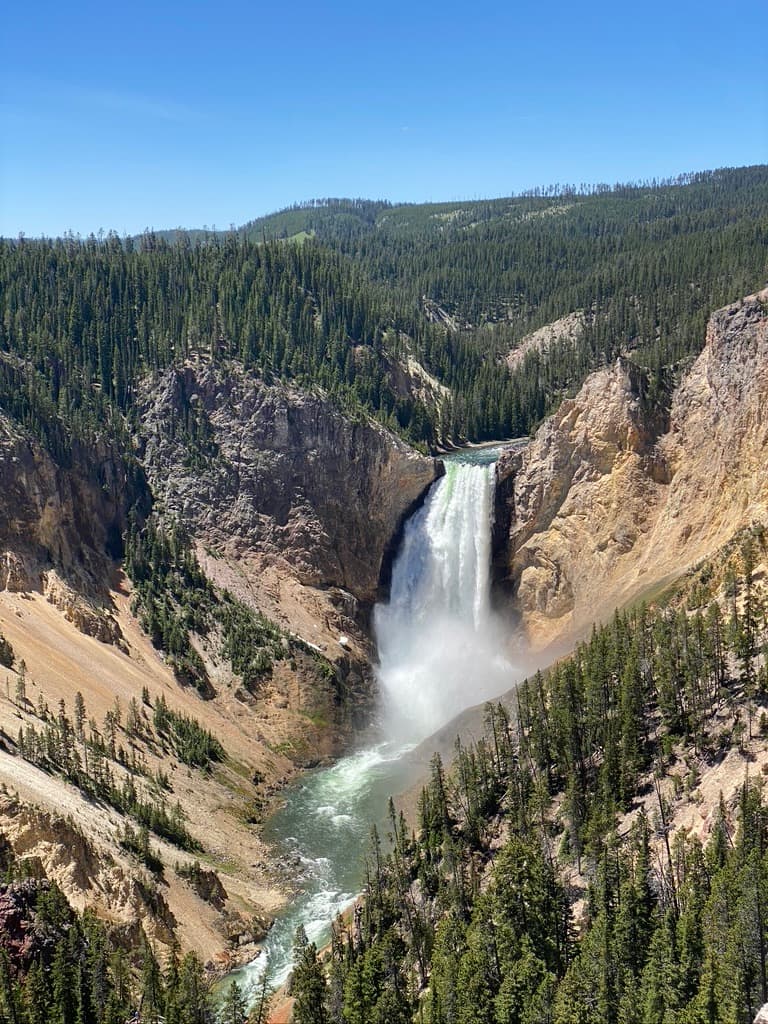
Yellowstone National Park
The classic Montana-Wyoming two-park combo. Where Glacier is alpine, glacier-carved, and bear-country wild, Yellowstone is volcanic — geysers, hot springs, and herds of bison. Most travelers overnight in Missoula or Bozeman between the two. An America the Beautiful annual pass ($80) covers entry to both.

Seattle
The Empire Builder itself — Amtrak's Seattle-Chicago route — stops at West Glacier and East Glacier on the way east, making a rail-only Seattle-to-Glacier trip genuinely practical. The drive crosses Stevens Pass and the North Cascades. Good bookend for a west-coast-to-Glacier loop with a flight home out of FCA or back from SEA.

Vancouver, BC
A scenic Canadian Rockies-to-coast route through Cranbrook, Osoyoos wine country, and the Coast Mountains into Vancouver. Passport required. Pairs especially well with a Banff stop on the way — a full Glacier-Banff-Vancouver loop covers the best of the transborder Rockies and the Pacific Northwest in about 10 days.

Portland, Oregon
A longer westward extension combining Glacier with the Columbia River Gorge and coastal Oregon. Best as the back-end of a one-way Portland-to-Glacier rental-car trip, flying out of FCA (Kalispell) at the end. Scenery through Spokane and the Gorge is excellent.
Entry Requirements
Glacier is in the United States. Most international visitors need either an ESTA (Visa Waiver Program) or a full visitor visa (B-1/B-2) to enter. US citizens need only valid ID. A note unique to Glacier: because the park adjoins Canada's Waterton Lakes National Park, many visitors cross the international border at Chief Mountain (seasonal, late May - late September) — you need a valid passport (or enhanced driver's license / NEXUS card where applicable) to re-enter the US. Plan ahead if you intend to visit both halves of the Peace Park.
Entry Requirements by Nationality
| Nationality | Visa Required | Max Stay | Notes |
|---|---|---|---|
| US Citizens | Visa-free | Unlimited | Valid government-issued ID required (REAL ID or passport for domestic flights after May 2025). Passport required for Chief Mountain crossing to Waterton Lakes, Canada. |
| UK Citizens | Visa-free | 90 days | ESTA required under Visa Waiver Program (USD 21, apply online at esta.cbp.dhs.gov). Valid for 2 years or until passport expires. |
| EU Citizens | Visa-free | 90 days | Most EU nationals qualify for ESTA (USD 21). Apply at least 72 hours before travel. Not all EU nationalities qualify — check the official list. |
| Canadian Citizens | Visa-free | 6 months | No ESTA or visa required for tourism. Valid passport required at land and air crossings (including Chief Mountain back into the US). |
| Australian Citizens | Visa-free | 90 days | ESTA required (USD 21). Apply at esta.cbp.dhs.gov. |
| Indian Citizens | Yes | As per visa | B-1/B-2 visitor visa required. Apply at US consulate; current wait times can be 6-24 months depending on consulate. Interview required. |
| Chinese Citizens | Yes | As per visa | B-1/B-2 visitor visa required. 10-year multiple-entry visas common for business/tourism. Apply through US embassy/consulate. |
Visa-Free Entry
Tips
- •Apply for ESTA only at esta.cbp.dhs.gov — many third-party sites charge 3-5x the official $21 fee for no added value
- •Park entry ($35/vehicle, 7 days) is separate from any visa/ESTA costs — pay at the entrance station or buy an America the Beautiful pass ($80/year)
- •Visiting Waterton Lakes (Canada) requires a passport plus re-entry clearance at the Chief Mountain border crossing; ArriveCAN / CBP Home apps may be required depending on current rules
- •Chief Mountain crossing is seasonal (late May - late September) — off-season, the nearest open crossing is Carway/Piegan, adding roughly an hour to the drive between Glacier and Waterton
- •Bear spray cannot be flown in checked or carry-on luggage — buy or rent in Kalispell, Whitefish, West Glacier, or St. Mary after arrival
- •Cell service is poor throughout the park — download offline maps (NPS app, Gaia GPS) and have printed copies of your lodging and Amtrak confirmations
Shopping
Shopping in Glacier splits between Xanterra-operated gift shops at the historic lodges, visitor center bookstores run by the Glacier Conservancy, and gateway-town retail — most notably Whitefish, a genuine mountain town with independent boutiques and galleries. Polebridge Mercantile is its own thing entirely: a century-old off-grid general store whose huckleberry bear claws are the most famous baked good in Montana. For meaningful and ethical souvenirs, look for NPS passport stamps, Glacier Conservancy publications, wild huckleberry products, and authentic Blackfeet Nation beadwork purchased directly from tribal members or sanctioned vendors on the reservation east of the park.
Lake McDonald Lodge Gift Shop
historic lodge shopThe lobby of the 1914 Lake McDonald Lodge — a Swiss-chalet-style log lodge whose great room is worth a visit even if you're not shopping. The gift shop carries NPS-branded clothing, Glacier Conservancy books, quality prints, and some locally made items. The bookstore section is excellent for natural history and park history titles.
Known for: Glacier Conservancy books, NPS passport stamps, historic lodge-themed prints, quality outerwear
Many Glacier Hotel Gift Shop
historic lodge shopInside the Swiss-themed 1915 Many Glacier Hotel, with lakeside views and a lobby that regularly hosts grizzly sightings across the water. The shop carries typical NPS merchandise plus a better-than-average selection of higher-end branded apparel and some quality Indigenous-sourced items (verify provenance on the tags).
Known for: Higher-end park apparel, historic hotel merchandise, wildlife-themed art, huckleberry products
Apgar Village
west-side retail villageA compact cluster of shops at the west end of Lake McDonald — gift shops, a camp store, kayak and bike rentals, a small restaurant. First retail stop after entering the west entrance. Good for last-minute supplies, bear spray purchase/rental, and basic souvenirs.
Known for: Bear spray sales/rental, park maps, camp supplies, basic souvenirs
Polebridge Mercantile
historic off-grid general storeIn the tiny off-grid hamlet of Polebridge, north of the park. The Merc has been in continuous operation since 1914 and bakes legendary huckleberry bear claws each morning that draw a steady stream of dedicated fans. Also carries groceries, outdoor gear, T-shirts, and huckleberry-everything. The adjacent Northern Lights Saloon is the dinner counterpart.
Known for: Huckleberry bear claws, huckleberry jam/syrup/candy, Polebridge-branded apparel, off-grid character
Whitefish Downtown
gateway boutique townA genuine resort mountain town 30 miles west of the park with a walkable downtown of independent boutiques, art galleries, outdoor outfitters, and restaurants. Montana Coffee Traders roasts local beans; Third Street Market has regional goods. Great for a rest-day or rainy-day shopping afternoon.
Known for: Montana-made apparel, regional art galleries, outdoor gear, craft coffee, huckleberry everything
Glacier Park Lodge (East Glacier)
historic railway lodgeBuilt in 1913 by the Great Northern Railway as the grand eastern entrance to the park, with a massive timber lobby supported by 40-foot Douglas fir trunks. The lodge's gift shop offers Great Northern Railway-themed merchandise you won't find elsewhere, plus Blackfeet beadwork (verify tribal sourcing) sold on consignment.
Known for: Great Northern Railway merchandise, Blackfeet beadwork (sanctioned), historic lodge prints
🎁 Unique Souvenirs to Look For
- •NPS Passport and cancellation stamps — one free stamp at every Glacier visitor center and ranger station
- •Polebridge Mercantile huckleberry bear claws — eat fresh or carry home vacuum-sealed huckleberry jam
- •Wild huckleberry jam, syrup, chocolates, and taffy — Montana's signature berry cannot be commercially farmed; look for "wild-picked" on the label
- •Authentic Blackfeet Nation beadwork, star quilts, and ledger art — purchase directly from tribal members or sanctioned vendors on the reservation east of the park, or at Museum of the Plains Indian in Browning
- •Bear spray — practical and part of the experience; every visitor center and gateway store sells it
- •Glacier Conservancy books and field guides — natural history, history of the Going-to-the-Sun Road, Blackfeet connection
- •1930s Red Bus memorabilia — the jammer fleet has its own merchandise line at major lodge shops
- •Amtrak Empire Builder memorabilia — available at the West Glacier station and Izaak Walton Inn in Essex
Language & Phrases
English is universal here, but the park has enough distinctive jargon — road names, lodge names, historic equipment — that a brief glossary genuinely helps you follow rangers, trailhead signs, and local conversation. A handful of Blackfeet words also appear in place names across the east side.
| English | Translation | Pronunciation |
|---|---|---|
| Going-to-the-Sun | The 50-mile scenic road crossing the Continental Divide at Logan Pass | GO-ing too thuh SUN — universally abbreviated "GTTS" or "the Sun Road" |
| Bear spray | Pepper-based bear deterrent — mandatory equipment on any Glacier trail | BEAR SPRAY — practice removing the safety before you need it |
| Grizzly | Brown bear (Ursus arctos horribilis) — Glacier has the densest population in the Lower 48 | GRIZ-lee — "griz" is the common shorthand among locals |
| Many Glacier | The iconic eastern basin — Grinnell, Iceberg, Ptarmigan, Swiftcurrent — anchored by Many Glacier Hotel | MEN-ee GLAY-sher — the signature Glacier destination |
| Red jammer | One of the 33 restored 1930s red buses used for guided tours | RED JAM-er — so named because early drivers jammed the gears on Going-to-the-Sun |
| Continental Divide | The ridgeline separating Pacific and Atlantic watersheds; Going-to-the-Sun crosses it at Logan Pass | kon-tih-NEN-tul dih-VIDE — Glacier is one of few parks where you can drive across it |
| Huckleberry | A wild mountain berry central to Montana cuisine and souvenirs — cannot be commercially farmed | HUCK-el-berry — peak season late July through August |
| Empire Builder | Amtrak's Seattle/Portland-Chicago train that stops at West Glacier, Essex, and East Glacier | EM-pyre BIL-der — one of the great American rail journeys |
| Crown of the Continent | Nickname for Glacier and the surrounding ecosystem — coined by conservationist George Bird Grinnell | CROWN of thuh KON-tih-nent — you'll see it on signs and literature everywhere |
| Leave No Trace | The 7 wilderness ethics principles — pack out everything, stay on trail, no soap in streams | LEEV NOH TRAYS — always abbreviated "LNT" |