
Acadia National Park
United States
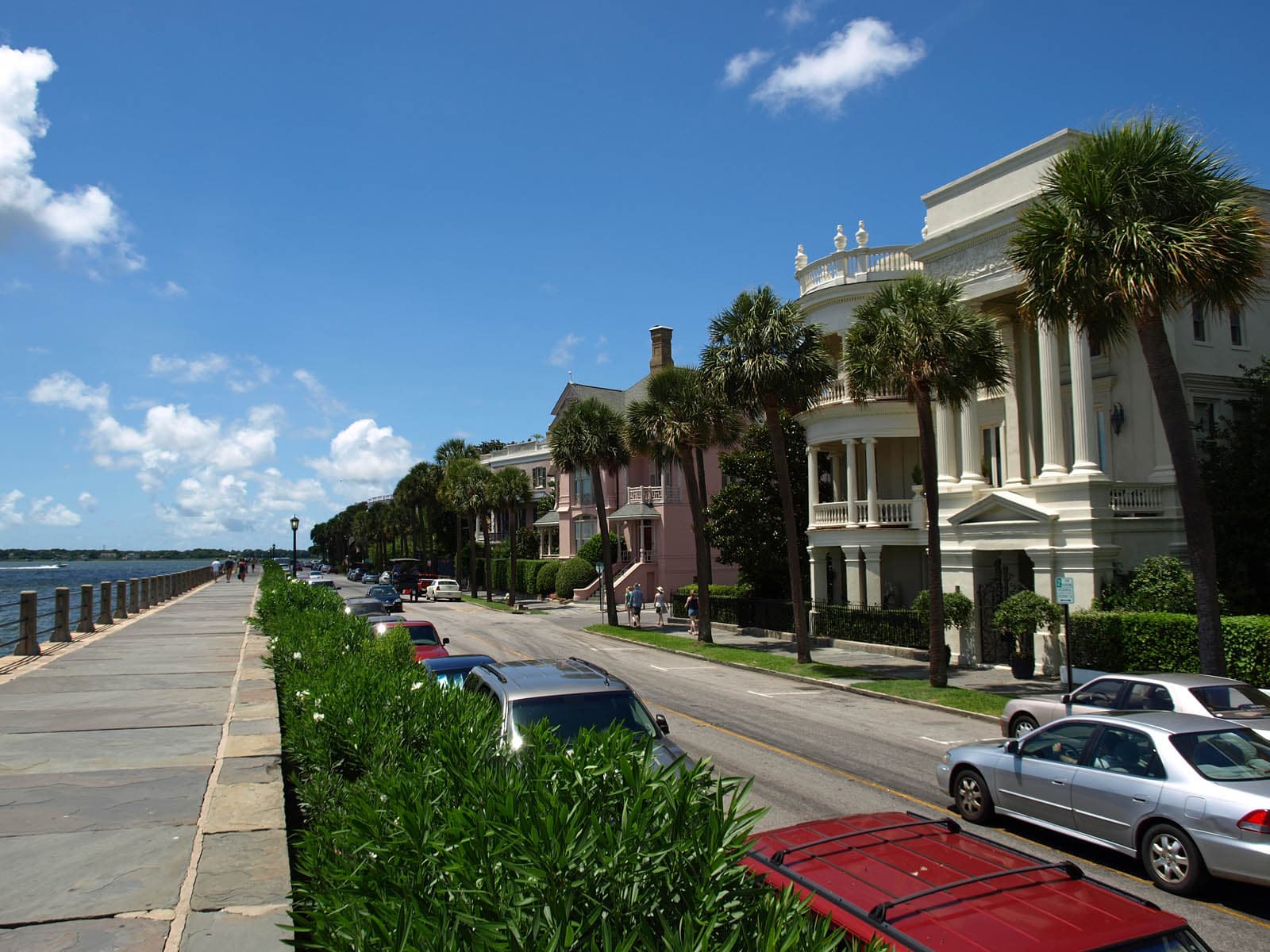
Charleston
United States
Acadia National Park
Charleston
💰 Budget
🛡️ Safety
Acadia National Park
Acadia National Park is very safe for visitors. Crime is minimal and the park service maintains excellent trails and facilities. The main hazards are environmental — slippery wet granite, cold water, coastal fog, and ticks carrying Lyme disease. The Beehive and Precipice ladder trails require caution and should not be attempted by those with a fear of heights or with children too young to grip iron rungs. Parking lot break-ins are the most common crime; do not leave valuables visible in cars.
Charleston
The historic peninsula and the surrounding beach/barrier islands are very safe for visitors, with low violent crime and a heavy tourist-police presence downtown. Property crime (car break-ins, package theft) is the most common issue. Some outlying neighborhoods on the West Side and in North Charleston have higher crime rates but are not places most tourists end up.
⭐ Ratings
🌤️ Weather
Acadia National Park
Acadia has a cold continental climate strongly influenced by the Gulf of Maine. Summers are short, pleasant, and occasionally foggy — the coast earns its nickname 'Downeast' from prevailing winds. Fall foliage peaks around October 10 and is the most spectacular season. Winters are brutal with heavy snow and ice, causing partial park closures. The mud season from April through May makes many trails impassable.
Charleston
Charleston has a humid subtropical climate — mild winters, long warm springs, and punishingly hot and humid summers. Hurricane season runs June through November with peak risk in August-September. Spring (March-May) and fall (October-November) are the sweet spots.
🚇 Getting Around
Acadia National Park
A car is the most practical way to explore Acadia outside of summer — the Island Explorer free shuttle covers all major park destinations from late June through Columbus Day weekend, making a car optional during peak season. Bar Harbor itself is entirely walkable. Cycling on the carriage road network is highly recommended. There is no rail service to Mount Desert Island.
Walkability: Bar Harbor is highly walkable — the entire downtown is compact and flat. The park itself requires a vehicle, bicycle, or the Island Explorer shuttle. Many trailheads are directly accessible from town on foot, including the Great Head Trail and the Bar Island tidal crossing.
Charleston
The historic peninsula is small — about 2 miles north-to-south at its widest — and extremely walkable. Charleston has very limited public transit for a US city: CARTA buses exist but run infrequently and cover downtown poorly for tourists. Most visitors walk everything downtown and rent a car or use Uber/Lyft for beaches, plantations, and the airport.
Walkability: Charleston's historic peninsula is one of the most walkable neighborhoods in the American South — flat, shaded by live oaks, well-maintained sidewalks (some brick and uneven), and tightly packed with destinations. Outside the peninsula, however, the metro is car-dependent and pedestrian infrastructure thins out fast.
The Verdict
Choose Acadia National Park if...
you want the first national park east of the Mississippi — Cadillac sunrise, Jordan Pond popovers, carriage roads, and the ladder trails up the Beehive and Precipice
Choose Charleston if...
you want pastel antebellum architecture, harbor-side history, modern Southern cuisine's spiritual home, and Gullah-Geechee heritage
Acadia National Park
Charleston