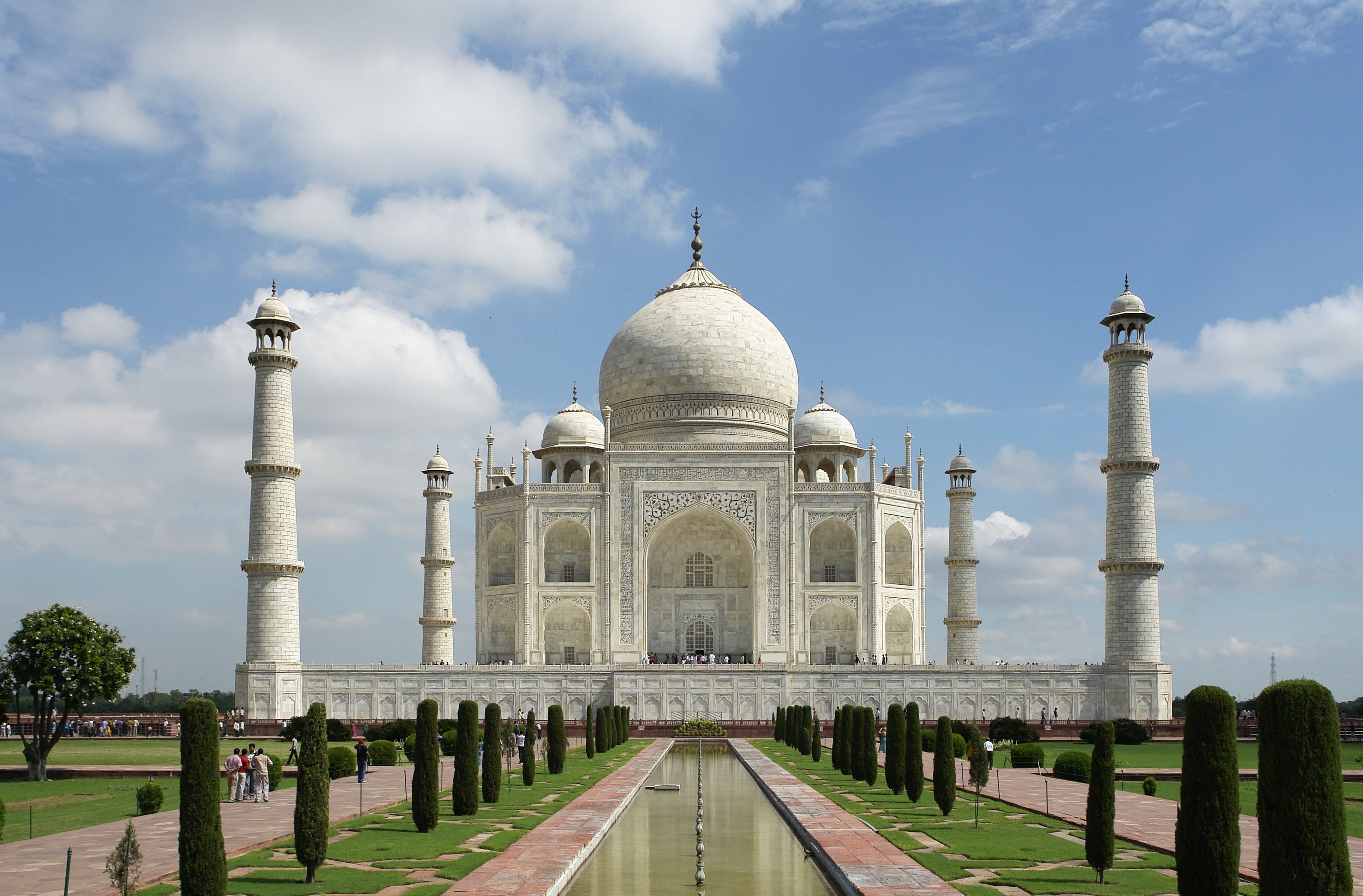
Agra
India

Delhi
India
Agra
Delhi
💰 Budget
🛡️ Safety
Agra
Agra is generally safe for tourists in terms of violent crime, but it has a well-documented problem with scams, touts, and aggressive tricksters targeting visitors around the Taj Mahal and railway stations. Gem scams (being taken to an overpriced shop by a "helpful" stranger), fake guides, bogus ticket counters, and rickshaw drivers who take you to commission-paying shops instead of your destination are the most common hazards. Solo women travelers report experiencing harassment and should exercise additional caution after dark. Air pollution is a serious health concern, particularly in winter.
Delhi
Delhi is generally safe for tourists who take standard precautions. Petty crime (pickpocketing, scams) is the main concern, particularly in crowded tourist areas and on public transport. Solo female travelers should exercise extra caution, especially after dark. The city's traffic is chaotic and dangerous for pedestrians.
⭐ Ratings
🌤️ Weather
Agra
Agra has a semi-arid continental climate with extreme seasonal variation. Winters are cool and hazy, summers are brutally hot and dry before the monsoon breaks in July. The most comfortable and popular months to visit are October through March. Note that winter fog (December–January) sometimes delays morning train services from Delhi and can obscure Taj Mahal views.
Delhi
Delhi has an extreme climate with scorching summers (April-June), a humid monsoon (July-September), and cool to cold winters (November-February). October-March is the best period for visiting. Summer temperatures regularly exceed 45°C (113°F).
🚇 Getting Around
Agra
Agra's main sights are spread several kilometers apart across a city of 1.7 million people with heavy traffic and no metro system. Walking between attractions is generally impractical. Auto-rickshaws and app-based taxis are the main options for tourists. The area immediately around the Taj Mahal (within 500 m) is a low-emission zone where only electric vehicles and non-motorized transport are permitted.
Walkability: Low. Agra's major sights are 3–10 km apart across a chaotic city with minimal footpaths. The Taj Ganj neighborhood and old city lanes reward on-foot exploration, but plan on using transport for all inter-site movement.
Delhi
Delhi has excellent public transport anchored by the massive Metro system. Auto-rickshaws, ride-hailing apps (Uber and Ola), and cycle rickshaws fill the gaps. Traffic is notoriously congested, especially during rush hours. The Metro is usually the fastest way to get around.
Walkability: Delhi is not a walkable city overall — distances are vast, sidewalks are often broken or nonexistent, and traffic is aggressive. However, specific areas are great for walking: Old Delhi (Chandni Chowk to Jama Masjid), Connaught Place, Lodhi Garden area, and Hauz Khas Village. Always carry water and sun protection.
The Verdict
Choose Agra if...
you want the Taj Mahal, Agra Fort, and Fatehpur Sikri — three UNESCO sites in one Golden Triangle stop, easily reached via Gatimaan Express from Delhi
Choose Delhi if...
you want India's power capital — Red Fort, Jama Masjid, Qutub Minar, Humayun's Tomb, Chandni Chowk old-Delhi street food, and the gateway to Agra + Jaipur