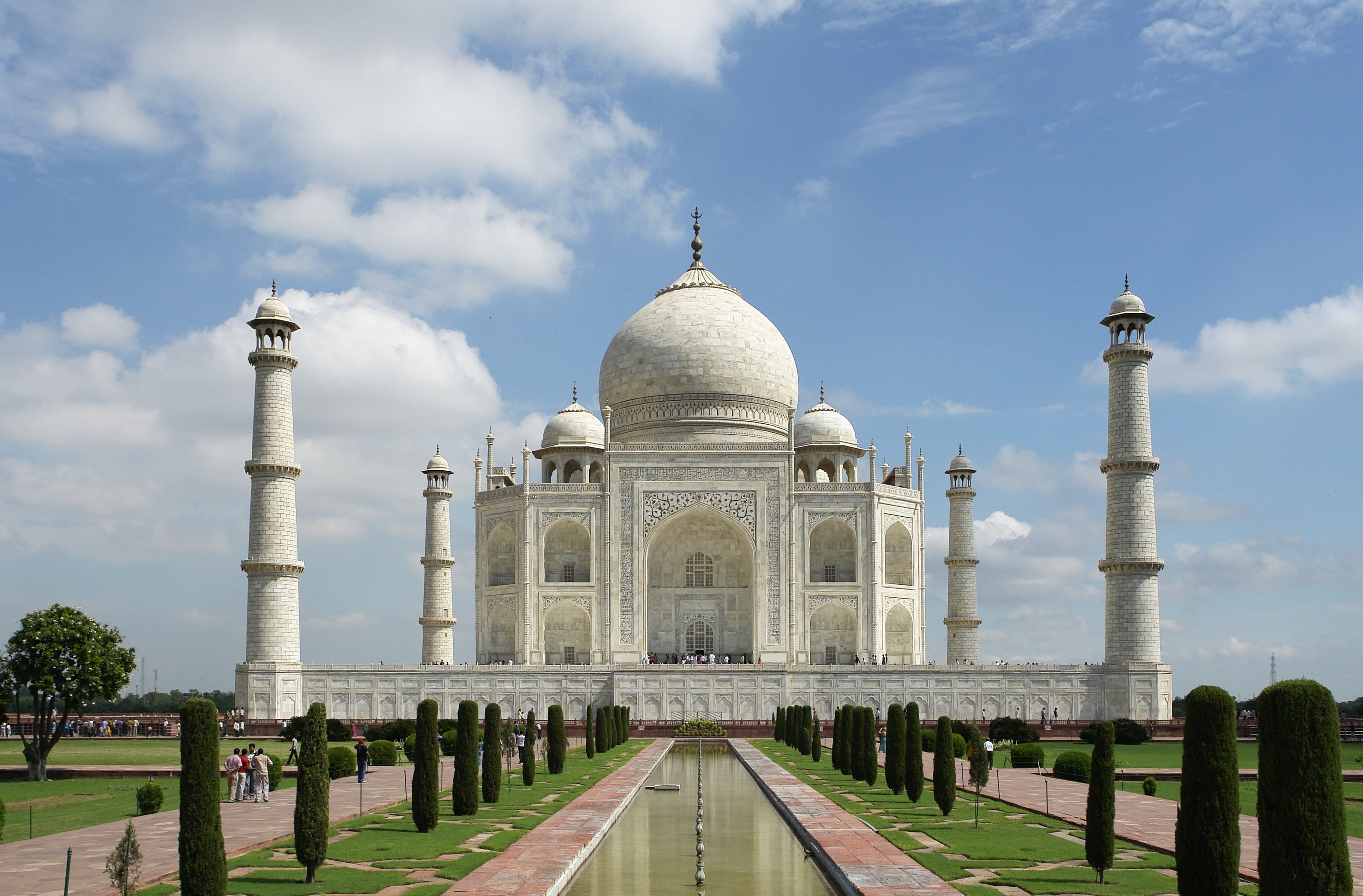
Agra
India
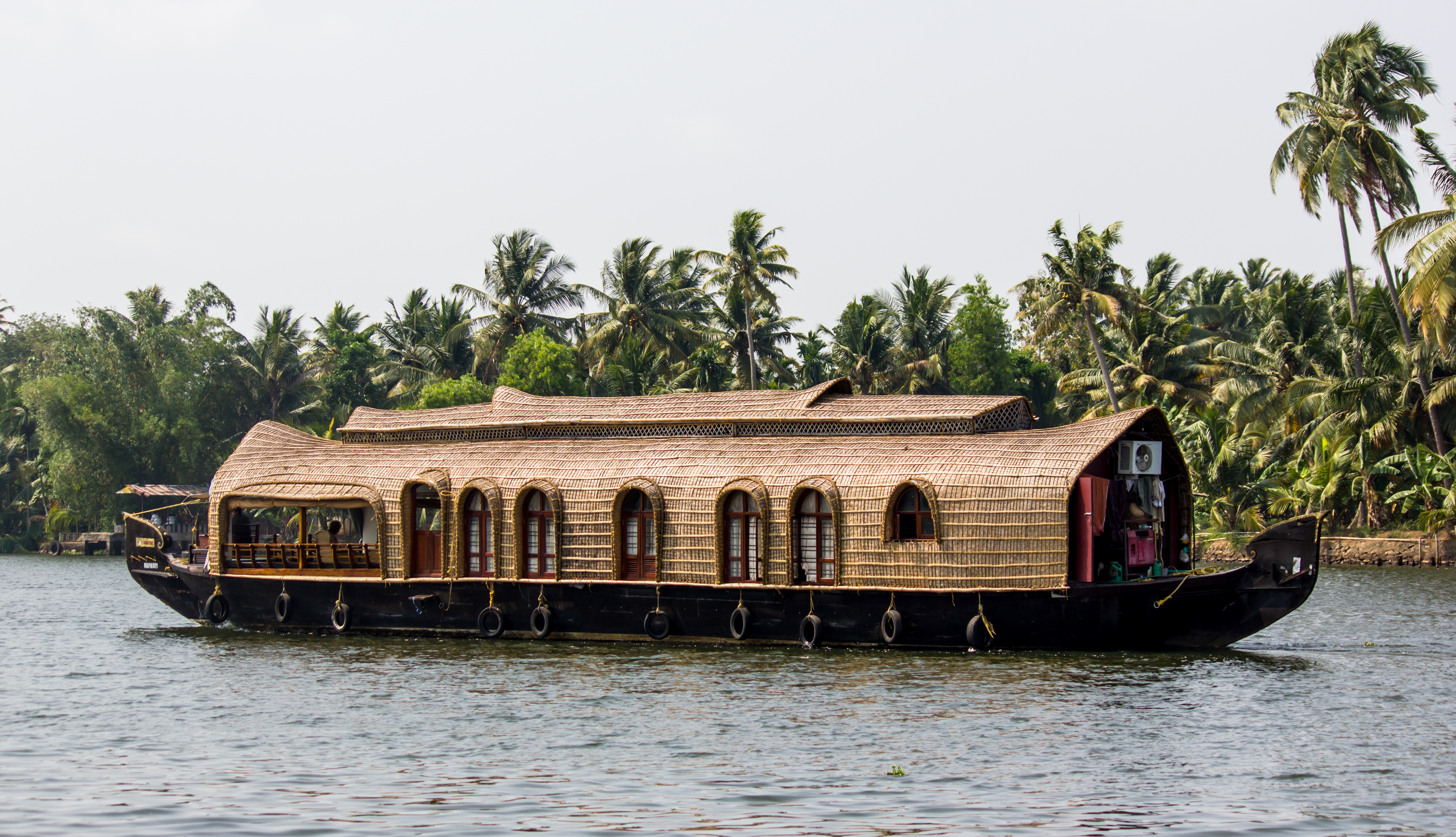
Kerala
India
Agra
Kerala
💰 Budget
🛡️ Safety
Agra
Agra is generally safe for tourists in terms of violent crime, but it has a well-documented problem with scams, touts, and aggressive tricksters targeting visitors around the Taj Mahal and railway stations. Gem scams (being taken to an overpriced shop by a "helpful" stranger), fake guides, bogus ticket counters, and rickshaw drivers who take you to commission-paying shops instead of your destination are the most common hazards. Solo women travelers report experiencing harassment and should exercise additional caution after dark. Air pollution is a serious health concern, particularly in winter.
Kerala
Kerala is consistently rated among the safest states in India for tourists, including solo female travelers. Its high literacy rate, organized tourism infrastructure, and strong local governance contribute to a lower crime rate than most Indian states. The primary hazards are environmental — monsoon flooding, coastal currents, and wildlife in forested areas — rather than personal safety concerns.
⭐ Ratings
🌤️ Weather
Agra
Agra has a semi-arid continental climate with extreme seasonal variation. Winters are cool and hazy, summers are brutally hot and dry before the monsoon breaks in July. The most comfortable and popular months to visit are October through March. Note that winter fog (December–January) sometimes delays morning train services from Delhi and can obscure Taj Mahal views.
Kerala
Kerala has a tropical climate governed by two monsoon cycles. The southwest monsoon (June-September) is the heaviest in mainland India, bringing thunderous daily rainfall, high humidity, and a dramatic transformation of the landscape into intense green. The northeast monsoon (October-November) brings lighter rains to the south. December to February is the dry, mild peak tourist season. Kerala's highland areas (Munnar, Wayanad) are significantly cooler year-round.
🚇 Getting Around
Agra
Agra's main sights are spread several kilometers apart across a city of 1.7 million people with heavy traffic and no metro system. Walking between attractions is generally impractical. Auto-rickshaws and app-based taxis are the main options for tourists. The area immediately around the Taj Mahal (within 500 m) is a low-emission zone where only electric vehicles and non-motorized transport are permitted.
Walkability: Low. Agra's major sights are 3–10 km apart across a chaotic city with minimal footpaths. The Taj Ganj neighborhood and old city lanes reward on-foot exploration, but plan on using transport for all inter-site movement.
Kerala
Kerala is one of the better-connected Indian states for travel. Indian Railways runs the backbone of the coastal corridor linking Trivandrum, Kochi, and Calicut, with frequent expresses. KSRTC (Kerala State Road Transport Corporation) and private buses reach virtually every district. Kochi and Trivandrum have Uber and Ola. Autorickshaws are ubiquitous for short hops. The backwaters require boats. Munnar and Wayanad are best reached by hired car or bus from Kochi.
Walkability: Walkability varies sharply by location. Fort Kochi is compact and very walkable — the fishing nets, synagogue, Dutch Palace, and cafes are all within 30 minutes on foot. Alleppey town is flat and bikeable. Trivandrum and Calicut are sprawling and require transport. Munnar town is small but the plantation walks require transport to trailheads.
The Verdict
Choose Agra if...
you want the Taj Mahal, Agra Fort, and Fatehpur Sikri — three UNESCO sites in one Golden Triangle stop, easily reached via Gatimaan Express from Delhi
Choose Kerala if...
you want "God's Own Country" — Alleppey houseboat backwaters, Munnar tea hills, Fort Kochi colonial streets, Kathakali dance, and Ayurveda across a tropical coast