🏆 Lhasa wins 77 OVR vs 70 · attribute matchup 2–4
India
70OVR
China
77OVR

Agra
India
Lhasa
China
Agra
Lhasa
💰 Budget
🛡️ Safety
Agra
Agra is generally safe for tourists in terms of violent crime, but it has a well-documented problem with scams, touts, and aggressive tricksters targeting visitors around the Taj Mahal and railway stations. Gem scams (being taken to an overpriced shop by a "helpful" stranger), fake guides, bogus ticket counters, and rickshaw drivers who take you to commission-paying shops instead of your destination are the most common hazards. Solo women travelers report experiencing harassment and should exercise additional caution after dark. Air pollution is a serious health concern, particularly in winter.
Lhasa
Violent crime against foreign tourists in Lhasa is extremely rare — the city is heavily policed and tour operators are responsible for their clients. The primary risks are altitude sickness (which can be life-threatening), intense UV at 3,656 m, and the unusual constraints of travelling in a politically sensitive region where photography of security personnel, any political statement, or any mention of the Dalai Lama in public can cause serious problems for your Tibetan guide and operator, even if not directly for you.
⭐ Ratings
🌤️ Weather
Agra
Agra has a semi-arid continental climate with extreme seasonal variation. Winters are cool and hazy, summers are brutally hot and dry before the monsoon breaks in July. The most comfortable and popular months to visit are October through March. Note that winter fog (December–January) sometimes delays morning train services from Delhi and can obscure Taj Mahal views.
Lhasa
Lhasa is classified as a high-altitude semi-arid plateau climate — thin, dry air year-round with over 3,000 hours of sunshine annually (one of the sunniest cities in China). Daytime is warm in summer and cold but sunny in winter; nights are always cold because of the altitude. The monsoon brushes the plateau in July and August, bringing short afternoon showers but rarely all-day rain, making Tibet considerably drier than the Himalayan regions to the south. Wind and UV are intense year-round at this elevation.
🚇 Getting Around
Agra
Agra's main sights are spread several kilometers apart across a city of 1.7 million people with heavy traffic and no metro system. Walking between attractions is generally impractical. Auto-rickshaws and app-based taxis are the main options for tourists. The area immediately around the Taj Mahal (within 500 m) is a low-emission zone where only electric vehicles and non-motorized transport are permitted.
Walkability: Low. Agra's major sights are 3–10 km apart across a chaotic city with minimal footpaths. The Taj Ganj neighborhood and old city lanes reward on-foot exploration, but plan on using transport for all inter-site movement.
Lhasa
Lhasa is small and manageable — the old town around the Jokhang and Barkhor is entirely walkable, and most tour itineraries use a private vehicle with your assigned driver and guide for the outlying monasteries (Sera, Drepung, Norbulingka, Potala). Independent public transport is possible within Lhasa city itself for short distances, but no foreign tourist should be taking long-distance buses or taxis alone — your Tibet Travel Permit requires you to be with your guide for essentially all sightseeing.
Walkability: The old Tibetan quarter around the Jokhang is wonderfully walkable — narrow whitewashed lanes, prayer-wheel corridors, and a flat grid you can cover in a morning. The Potala, Norbulingka, Sera, and Drepung are all too far to walk and sit at awkward angles from the centre; your tour vehicle or a taxi is required. Altitude makes walking feel slower than it looks on a map for the first 48 hours.
The Verdict
Choose Agra if...
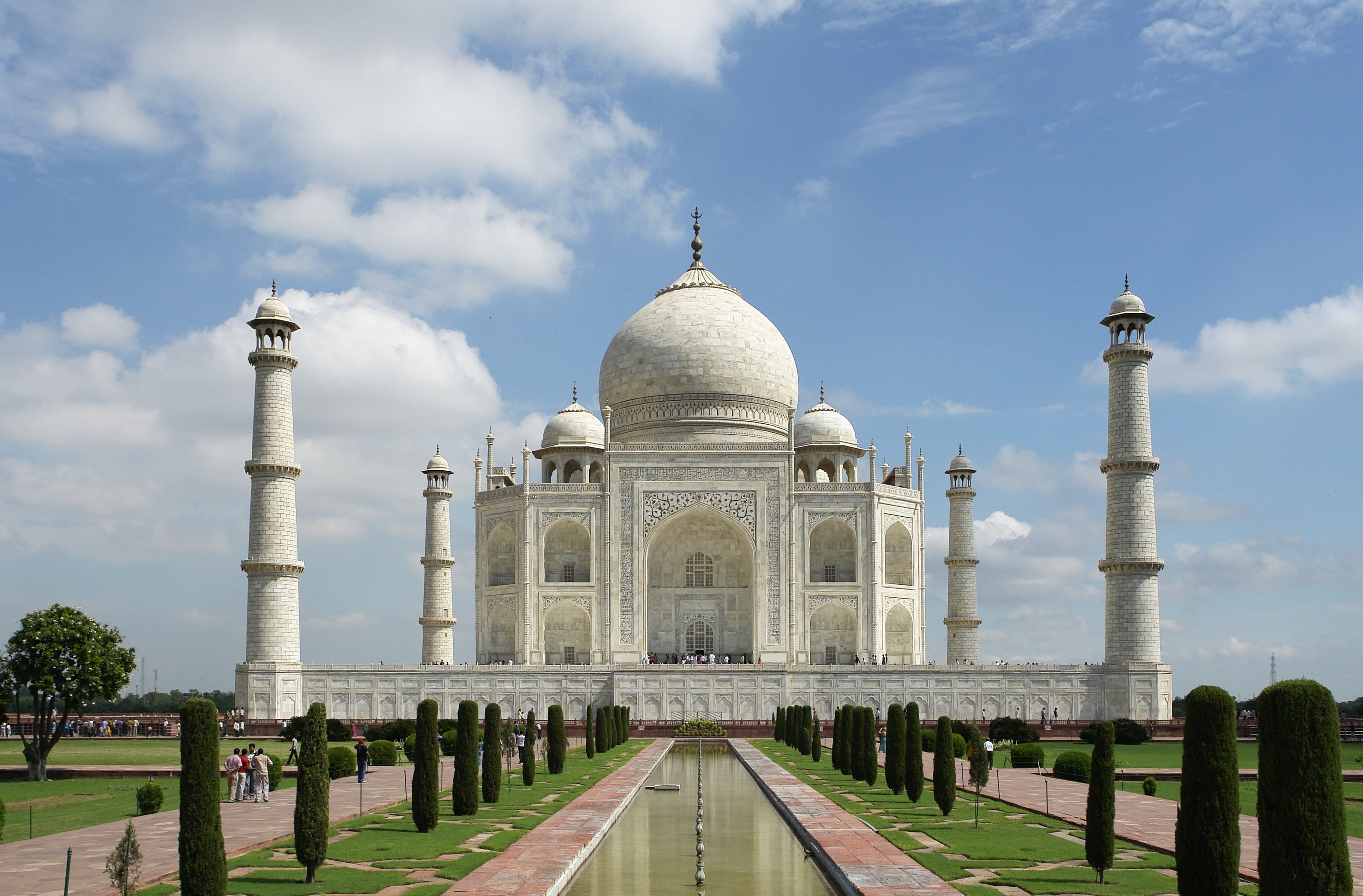
you want the Taj Mahal, Agra Fort, and Fatehpur Sikri — three UNESCO sites in one Golden Triangle stop, easily reached via Gatimaan Express from Delhi
Choose Lhasa if...
you want Tibetan Buddhism's holiest city at 3,656m — Potala Palace, Jokhang Temple, Barkhor kora, and the world's highest railway — requires Tibet Travel Permit