American Southwest vs Grand Canyon National Park
Which destination is right for your next trip?
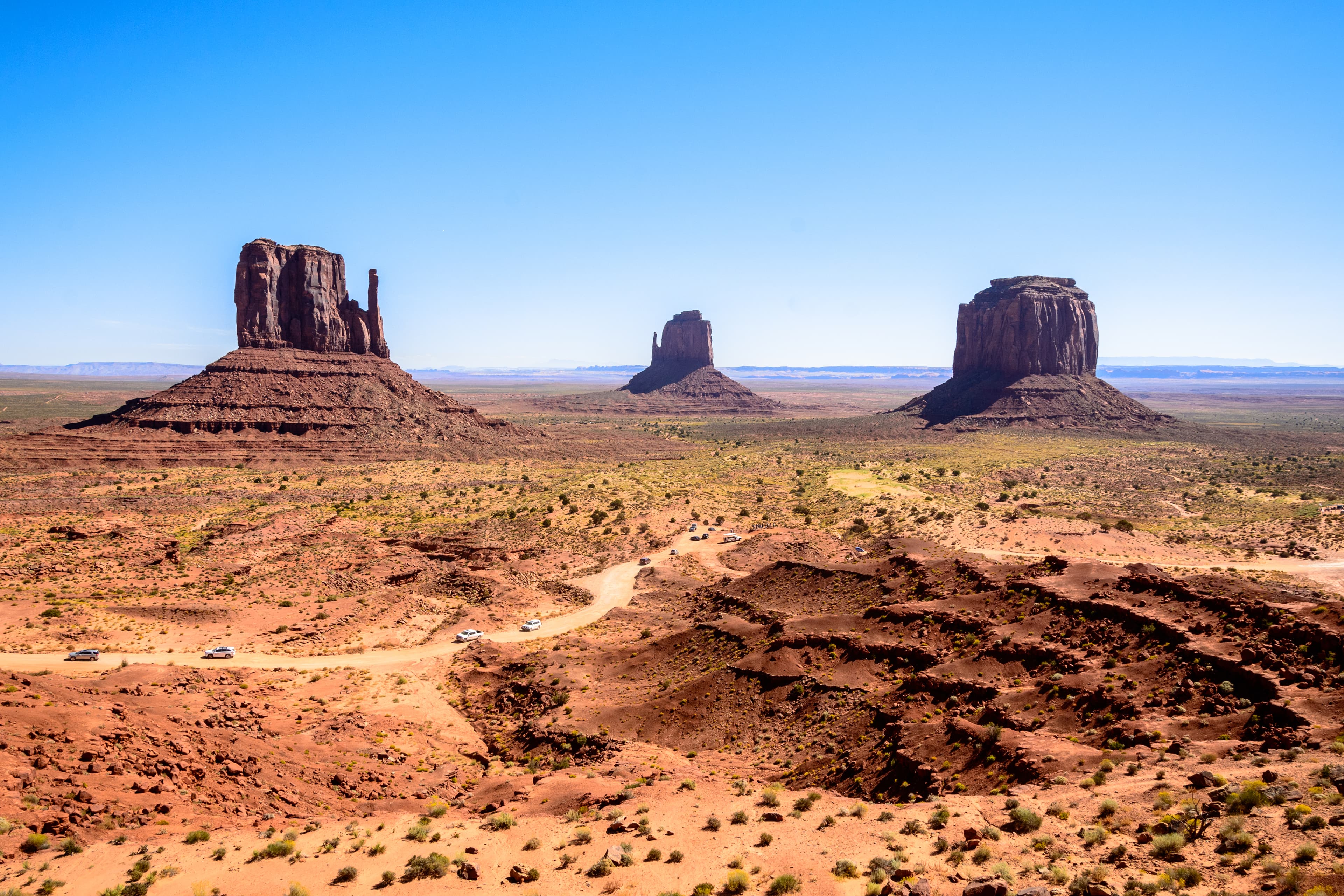
American Southwest
United States

Grand Canyon National Park
United States
American Southwest
Grand Canyon National Park
💰 Budget
🛡️ Safety
American Southwest
The Southwest's gateway towns (Sedona, Flagstaff, Page, Williams) have low crime rates. The real risks are environmental: extreme heat, flash floods, altitude sickness on the rim, dehydration, and long distances between services. More national-park visitors die from heat and falls here than anywhere else in the system.
Grand Canyon National Park
Crime at the Grand Canyon is essentially a non-issue. Natural hazards are the real story — people die here every year, almost always from preventable mistakes. The single most important rule: DOWN IS OPTIONAL, UP IS MANDATORY. The canyon punishes overconfidence. Most search-and-rescue operations target day hikers who went too far, too fast, with too little water, in too much heat.
⭐ Ratings
🌤️ Weather
American Southwest
The American Southwest spans a huge elevation range — from desert floors at 900 meters to canyon rims above 2,500 meters — so weather varies dramatically. Low deserts (Phoenix, Page) bake in summer (40°C+), while Grand Canyon South Rim and Flagstaff can get snow in winter. Sedona sits in between. The July-September "monsoon" brings sudden, violent thunderstorms and flash floods.
Grand Canyon National Park
The Grand Canyon has three distinct microclimates stacked on top of each other. Rim temperatures (7,000-8,000 ft) are 10-15°C (20-30°F) cooler than the inner canyon and Phantom Ranch at river level (2,400 ft). A pleasant 24°C spring day on the rim can be a brutal 38-40°C in the canyon. The North Rim is cooler and wetter than the South Rim year-round. Monsoon season (July-September) brings dramatic afternoon thunderstorms with dangerous lightning on exposed rims.
🚇 Getting Around
American Southwest
A rental car is essentially mandatory to explore the Southwest. Distances are huge (Grand Canyon to Monument Valley is 280 km; Sedona to Page is 210 km) and public transport between parks is minimal. Once inside Grand Canyon South Rim, however, free shuttle buses efficiently cover all viewpoints. Amtrak's Southwest Chief stops at Flagstaff, and small regional airports serve the area.
Walkability: Downtown Sedona, Flagstaff, Williams, and Page are pleasantly walkable once you've parked. The Grand Canyon Village is very walkable — you can walk the entire South Rim Trail (21 km) past all major viewpoints. Outside town centers, distances and lack of sidewalks make walking impractical.
Grand Canyon National Park
The free park shuttle system is the backbone of South Rim transportation March through November. Color-coded routes (Village, Kaibab/Rim, Hermits Rest, Tusayan) connect every viewpoint, trailhead, and village facility. Hermit Road is CLOSED to private vehicles March 1 through November 30 — shuttle only. Desert View Drive is open to private vehicles year-round. A car is essential for Desert View Drive, reaching the North Rim, or leaving the park. There is no commercial taxi or ride-share service inside the park.
Walkability: The South Rim village and Rim Trail system are extremely walkable — the biggest distances are handled by shuttle. Hiking trails into the canyon are steep and strenuous, not casual walks. The North Rim area is compact, with the lodge, trailheads, and viewpoints all within walking distance.
The Verdict
Choose American Southwest if...
you want Grand Canyon vistas, Sedona red rocks, Antelope Canyon light shafts, and the great American road trip through red-rock country
Choose Grand Canyon National Park if...
you want one of the planet's most iconic landscapes — free park shuttles, Bright Angel Trail to the Colorado, and Desert View sunrises
American Southwest
Grand Canyon National Park