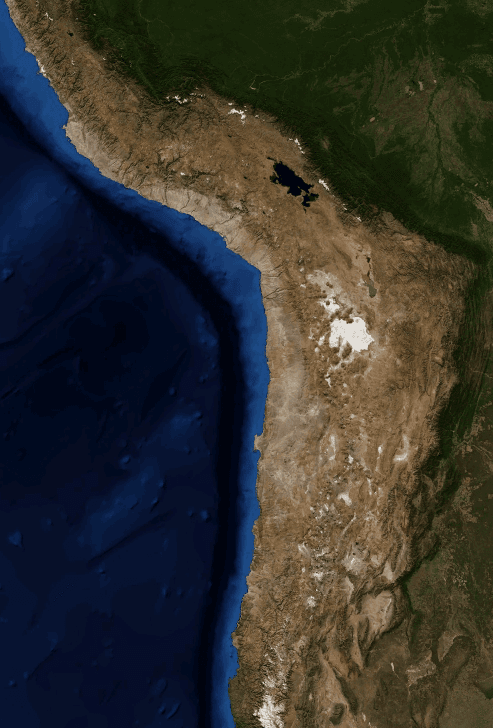
Atacama Desert
Chile

Patagonia
Chile
Atacama Desert
Patagonia
💰 Budget
🛡️ Safety
Atacama Desert
The Atacama is one of the safest travel destinations in South America. San Pedro de Atacama is a small, tourist-oriented village with minimal crime. The primary risks are environmental rather than human — altitude sickness, extreme UV radiation, dehydration, and hypothermia at dawn excursions are the real hazards. Choose licensed tour operators for high-altitude excursions.
Patagonia
Patagonia is one of the safest regions in South America. The main risks are weather-related: extreme wind, sudden storms, hypothermia, and altitude on exposed trails. Crime against tourists is rare, though standard precautions apply in larger towns.
⭐ Ratings
🌤️ Weather
Atacama Desert
The Atacama operates on extremes. Days are intensely sunny and dry year-round — UV radiation at this altitude is among the highest on Earth. Nights drop sharply regardless of season, often below freezing at the higher elevations of El Tatio and the altiplanic lagoons. The rare rainy season ("Bolivian Winter") runs January–February, when afternoon thunderstorms can close some high-altitude routes. Humidity is near zero for most of the year.
Patagonia
Patagonia's weather is defined by wind, unpredictability, and dramatic seasonal extremes. Summers are cool, winters are harsh, and the wind blows relentlessly year-round. Expect four seasons in a single day — pack layers for everything.
🚇 Getting Around
Atacama Desert
San Pedro de Atacama village is small enough to walk in 15 minutes, but virtually all major attractions lie 15–120 km away on unpaved or semi-paved desert roads. Most visitors rely on guided tour vans — this is the norm and often the safest option for remote high-altitude routes. Rental cars give flexibility for those comfortable with 4WD driving in remote terrain.
Walkability: San Pedro de Atacama village is fully walkable and compact. All services, restaurants, and tour agencies on Caracoles Street are within a 10-minute walk of any accommodation. However, all major natural attractions require motorized transport — the desert is too vast and the distances too great for on-foot exploration beyond the village limits.
Patagonia
Patagonia is vast and sparsely populated. Distances between destinations are enormous and public transport is limited. Flying between major hubs saves days of overland travel. Long-distance buses are comfortable but time-consuming. Car rental offers freedom but requires preparedness.
Walkability: El Chalten is entirely walkable — the town is small and all trailheads start from the village itself. El Calafate is walkable along the main Avenida Libertador but the glacier is 80 km away. Ushuaia is compact but attractions require transport.
The Verdict
Choose Atacama Desert if...
you want the driest non-polar desert — geysers, salt lagoons with flamingos, ALMA stargazing, and the Bolivia border crossing to Uyuni
Choose Patagonia if...
you want Earth's end — Torres del Paine granite towers, Perito Moreno glacier, Fitz Roy hikes, and the Estancia gaucho steppe
Atacama Desert
Patagonia