
Cape Town
South Africa
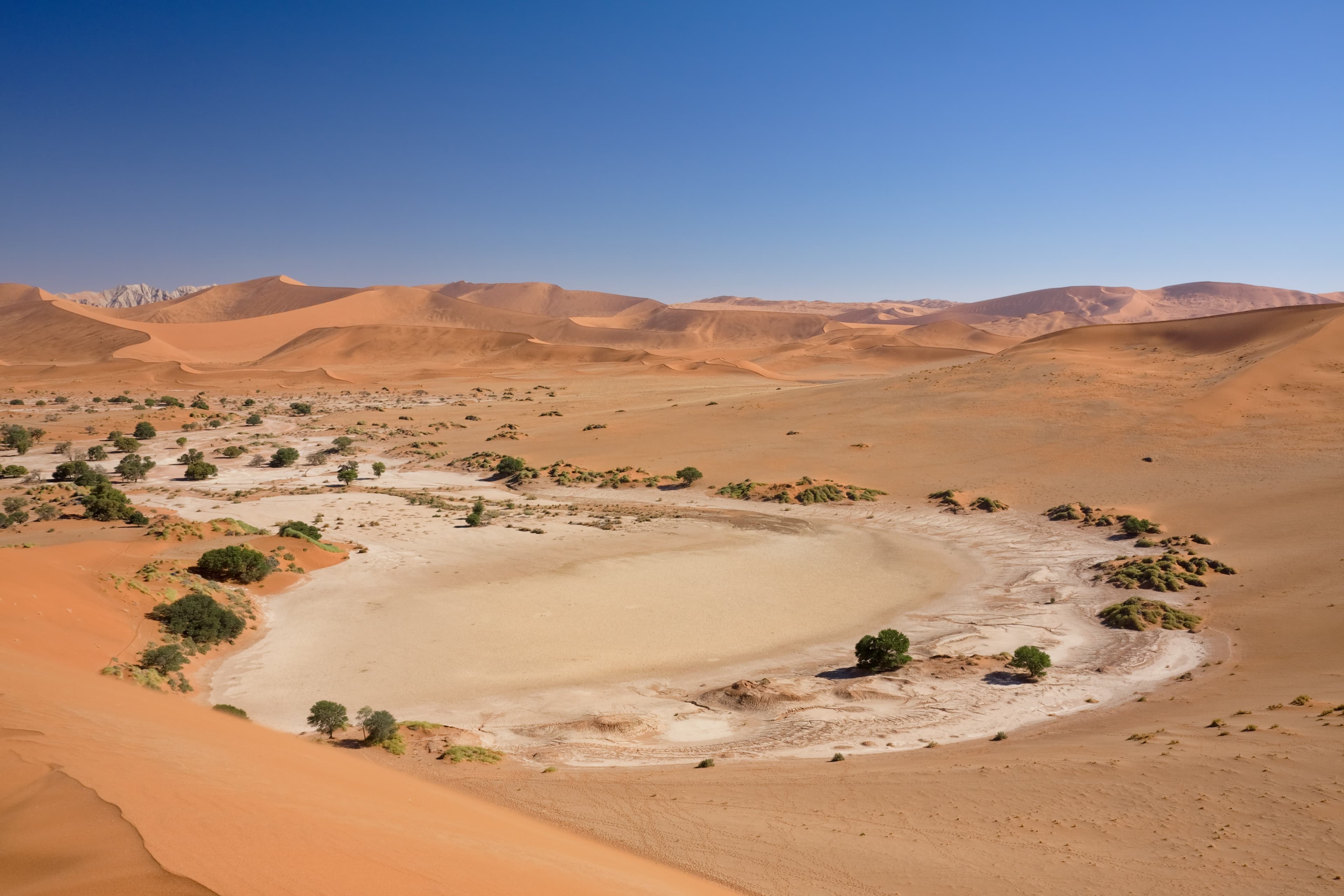
Sossusvlei
Namibia
Cape Town
Sossusvlei
💰 Budget
🛡️ Safety
Cape Town
Cape Town is generally safe in tourist areas, but South Africa has high crime rates overall. Violent crime tends to be concentrated in townships and certain suburbs away from tourist zones. Petty theft, car break-ins, and phone snatching are the main risks visitors face in popular areas.
Sossusvlei
Namibia is one of the safest countries in sub-Saharan Africa for tourists — politically stable, low crime outside urban areas, and with a well-organized national parks infrastructure. The main safety concerns at Sossusvlei are environmental: extreme heat, dehydration, isolation, and wildlife. There is no violent crime risk in the park itself. Solo travelers and families are both common.
⭐ Ratings
🌤️ Weather
Cape Town
Cape Town has a Mediterranean climate with warm, dry summers (December-February) and cool, wet winters (June-August). The notorious "Cape Doctor" southeaster wind blows in summer, keeping the air clean but sometimes making beaches uncomfortable. Remember: seasons are reversed from the Northern Hemisphere.
Sossusvlei
Sossusvlei sits in the hyper-arid Namib Desert with almost no rainfall and extreme temperature swings between day and night. Daytime temperatures are warm to hot year-round; nights can be surprisingly cold, especially in winter (May-August). Brief and unpredictable rains fall occasionally between January and March. The desert sun is intense — sunscreen, hat, and at least 2 litres of water per person per day are essential.
🚇 Getting Around
Cape Town
Cape Town is a sprawling city and public transit coverage is limited compared to European cities. Uber and Bolt are the most reliable and affordable way to get around. The MyCiTi bus covers key routes well. Renting a car is ideal for the Cape Peninsula and Winelands but not necessary within the City Bowl.
Walkability: The City Bowl, Waterfront, and Sea Point Promenade are pleasant for walking. The Sea Point-to-Camps Bay coastal walk is especially popular. Beyond these areas, distances are too great and infrastructure too spread out for walking to be practical. Always walk in well-populated areas.
Sossusvlei
Sossusvlei is a self-drive destination — there is no public transport to or within the park. A rental car is essential for independent travel. The road from Sesriem Gate to the 2x4 parking area (4.5 km before Sossusvlei pan) is tarred; the final 5 km to the pan requires 4x4 or the NWR shuttle. Within the park, distances are significant — the one-way journey from Sesriem Gate to the Sossusvlei pan is 60 km.
Walkability: Driving is required between sites — distances inside the park are too great to walk. Hiking on foot is permitted within the vleis and on the dunes themselves. The walk from the 2x4 parking area to Deadvlei is approximately 5 km one-way through soft sand. Comfortable closed shoes are essential; sandals are not recommended on hot sand.
The Verdict
Choose Cape Town if...
you want Table Mountain, Atlantic beaches, Cape winelands, Robben Island, and Africa's most cosmopolitan city at European quality + half the price
Choose Sossusvlei if...
you want Earth's tallest red dunes and Deadvlei's black tree skeletons on white clay — a self-drive highlight of any Namibia itinerary
Cape Town
Sossusvlei