Charleston vs Great Smoky Mountains National Park
Which destination is right for your next trip?
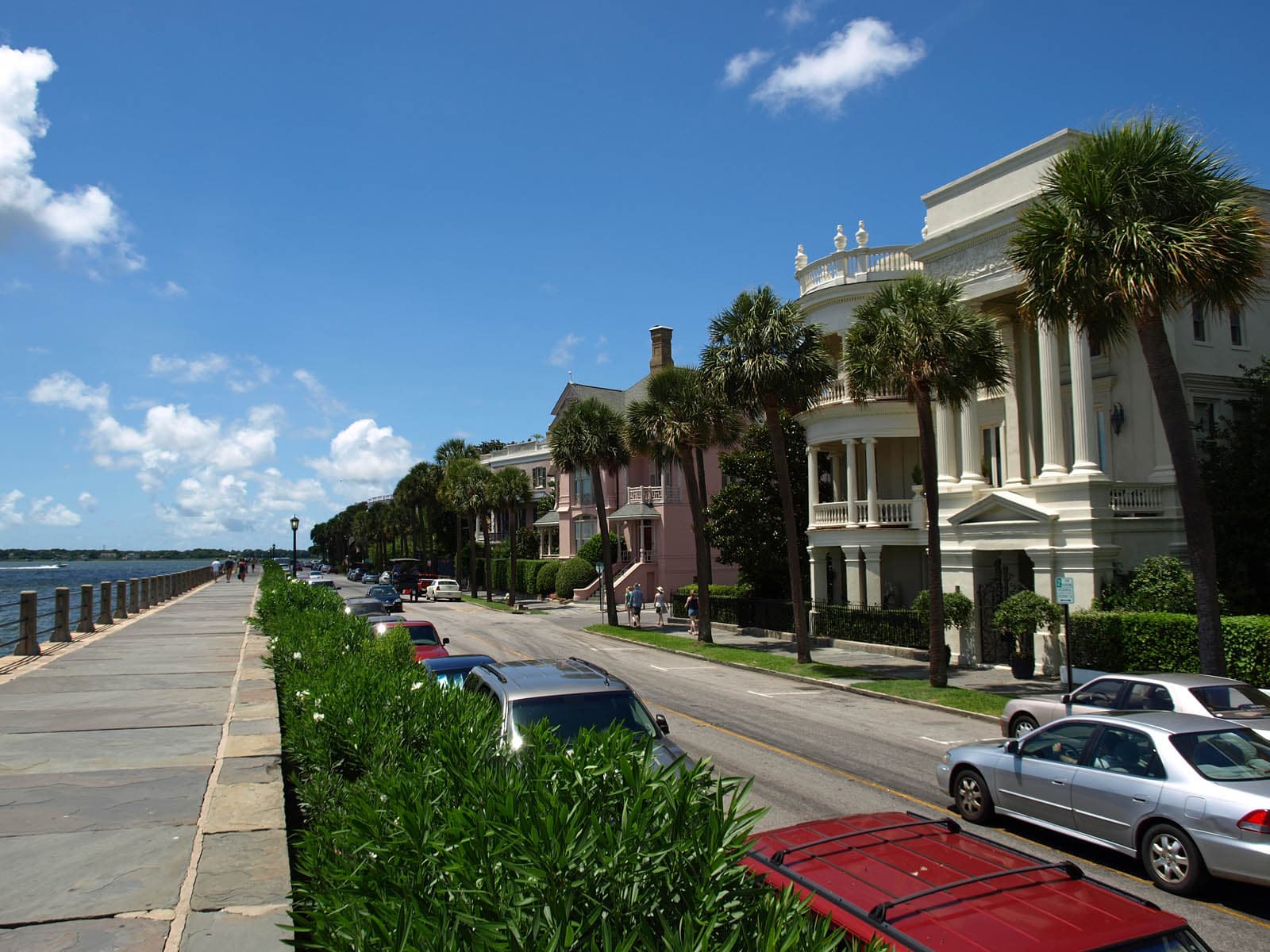
Charleston
United States

Great Smoky Mountains National Park
United States
Charleston
Great Smoky Mountains National Park
💰 Budget
🛡️ Safety
Charleston
The historic peninsula and the surrounding beach/barrier islands are very safe for visitors, with low violent crime and a heavy tourist-police presence downtown. Property crime (car break-ins, package theft) is the most common issue. Some outlying neighborhoods on the West Side and in North Charleston have higher crime rates but are not places most tourists end up.
Great Smoky Mountains National Park
Crime inside the park is negligible — the practical hazards are wildlife, weather, and winding mountain roads. With an estimated 1,500+ black bears (the densest population in the eastern US), bear encounters are more common here than in any other American national park. Fog and rain reduce visibility on Newfound Gap Road and the Cades Cove Loop, and car accidents on the winding approach roads are actually the most common serious incident. Venomous snakes, lightning on exposed ridges, and swift-water drownings round out the realistic list.
⭐ Ratings
🌤️ Weather
Charleston
Charleston has a humid subtropical climate — mild winters, long warm springs, and punishingly hot and humid summers. Hurricane season runs June through November with peak risk in August-September. Spring (March-May) and fall (October-November) are the sweet spots.
Great Smoky Mountains National Park
The Smokies have a humid temperate rainforest climate — high elevations receive 85+ inches of rain a year, more than Seattle or Portland. That constant moisture is what creates the famous haze and the biological diversity. Temperatures vary enormously with elevation: Gatlinburg at 1,300 feet can be 20°F warmer than Clingmans Dome at 6,643 feet on the same day. Fog is almost daily at ridge elevations. Always pack layers and rain gear regardless of forecast.
🚇 Getting Around
Charleston
The historic peninsula is small — about 2 miles north-to-south at its widest — and extremely walkable. Charleston has very limited public transit for a US city: CARTA buses exist but run infrequently and cover downtown poorly for tourists. Most visitors walk everything downtown and rent a car or use Uber/Lyft for beaches, plantations, and the airport.
Walkability: Charleston's historic peninsula is one of the most walkable neighborhoods in the American South — flat, shaded by live oaks, well-maintained sidewalks (some brick and uneven), and tightly packed with destinations. Outside the peninsula, however, the metro is car-dependent and pedestrian infrastructure thins out fast.
Great Smoky Mountains National Park
A private vehicle is essential — the park has no in-park shuttle system, no public bus service, and rideshare coverage inside park boundaries is unreliable to nonexistent. Newfound Gap Road (US-441) is the one through-road across the park from Gatlinburg (TN) to Cherokee (NC); Cades Cove Loop, Little River Road, and the Foothills Parkway are the other main driving arteries. In peak season (summer weekends, October foliage) expect 2-4 hours for the 11-mile Cades Cove Loop, parking lots full by 9am at popular trailheads, and occasional hours-long bear-jam backups.
Walkability: Inside the park, walkability is trail-based only — there are no sidewalks, no pedestrian connections between areas, and the distances between villages (Gatlinburg, Cherokee, Townsend) exceed 30 miles of mountain road. In Gatlinburg proper, the main strip is entirely walkable and the Gatlinburg Trolley connects to Sugarlands Visitor Center. Cherokee, Bryson City, and Townsend are compact but you'll still need a car to reach trailheads.
The Verdict
Choose Charleston if...
you want pastel antebellum architecture, harbor-side history, modern Southern cuisine's spiritual home, and Gullah-Geechee heritage
Choose Great Smoky Mountains National Park if...
you want America's most-visited national park (and still free), Appalachian rainforests with more tree species than Europe, and June synchronous fireflies
Charleston
Great Smoky Mountains National Park