Charleston
United States
Las Vegas
United States
Charleston
Las Vegas
💰 Budget
🛡️ Safety
Charleston
The historic peninsula and the surrounding beach/barrier islands are very safe for visitors, with low violent crime and a heavy tourist-police presence downtown. Property crime (car break-ins, package theft) is the most common issue. Some outlying neighborhoods on the West Side and in North Charleston have higher crime rates but are not places most tourists end up.
Las Vegas
The Strip itself is heavily policed and generally safe for tourists, with extensive casino security and LVMPD patrols. Off-Strip neighborhoods vary significantly — areas immediately east and north of downtown can be rough, particularly at night. The main risks on the Strip are pickpockets in crowds, aggressive timeshare touts, and scammers posing as celebrities or show promoters. Drink spiking and gambling-related disputes are reported concerns.
⭐ Ratings
🌤️ Weather
Charleston
Charleston has a humid subtropical climate — mild winters, long warm springs, and punishingly hot and humid summers. Hurricane season runs June through November with peak risk in August-September. Spring (March-May) and fall (October-November) are the sweet spots.
Las Vegas
Las Vegas has a hot desert climate with extreme temperature swings between summer and winter. Summers are brutally hot — June through August regularly sees highs above 40°C (104°F), with July averages around 42°C. Winters are mild and pleasant, with daytime highs around 15°C. Spring and autumn are the ideal windows: warm, dry, and comfortable. Flash floods are possible year-round but most common in late summer monsoon season.
🚇 Getting Around
Charleston
The historic peninsula is small — about 2 miles north-to-south at its widest — and extremely walkable. Charleston has very limited public transit for a US city: CARTA buses exist but run infrequently and cover downtown poorly for tourists. Most visitors walk everything downtown and rent a car or use Uber/Lyft for beaches, plantations, and the airport.
Walkability: Charleston's historic peninsula is one of the most walkable neighborhoods in the American South — flat, shaded by live oaks, well-maintained sidewalks (some brick and uneven), and tightly packed with destinations. Outside the peninsula, however, the metro is car-dependent and pedestrian infrastructure thins out fast.
Las Vegas
Getting around the Strip is surprisingly challenging despite its apparent simplicity — the boulevard looks walkable but distances between resorts are much longer than they appear. A mix of the Las Vegas Monorail, the Deuce bus, ride-hailing apps, and your feet will cover most needs on the Strip. A rental car is strongly recommended for off-Strip destinations like Red Rock Canyon, Hoover Dam, and Valley of Fire.
Walkability: The Strip looks walkable on a map but is deceptive — the distance from Mandalay Bay to the Stratosphere is over 4 miles, and summer temperatures make outdoor walking dangerous. Between individual resorts in a cluster (e.g., Cosmopolitan to Bellagio), walking is fine. In summer, use the air-conditioned casino connectors and skywalks linking several properties. Downtown Fremont Street is very walkable within the Experience canopy.
The Verdict
Choose Charleston if...
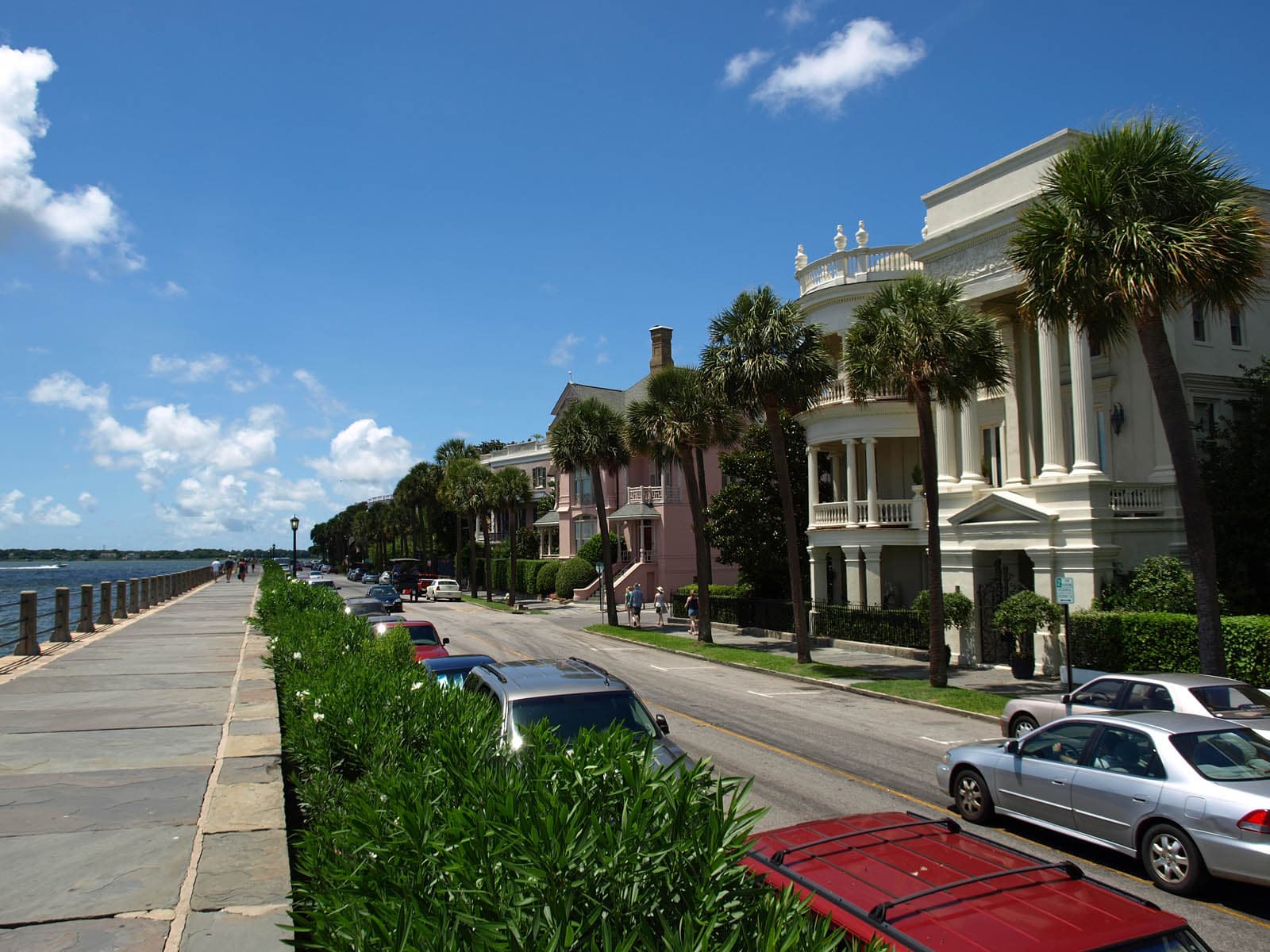
you want pastel antebellum architecture, harbor-side history, modern Southern cuisine's spiritual home, and Gullah-Geechee heritage
Choose Las Vegas if...
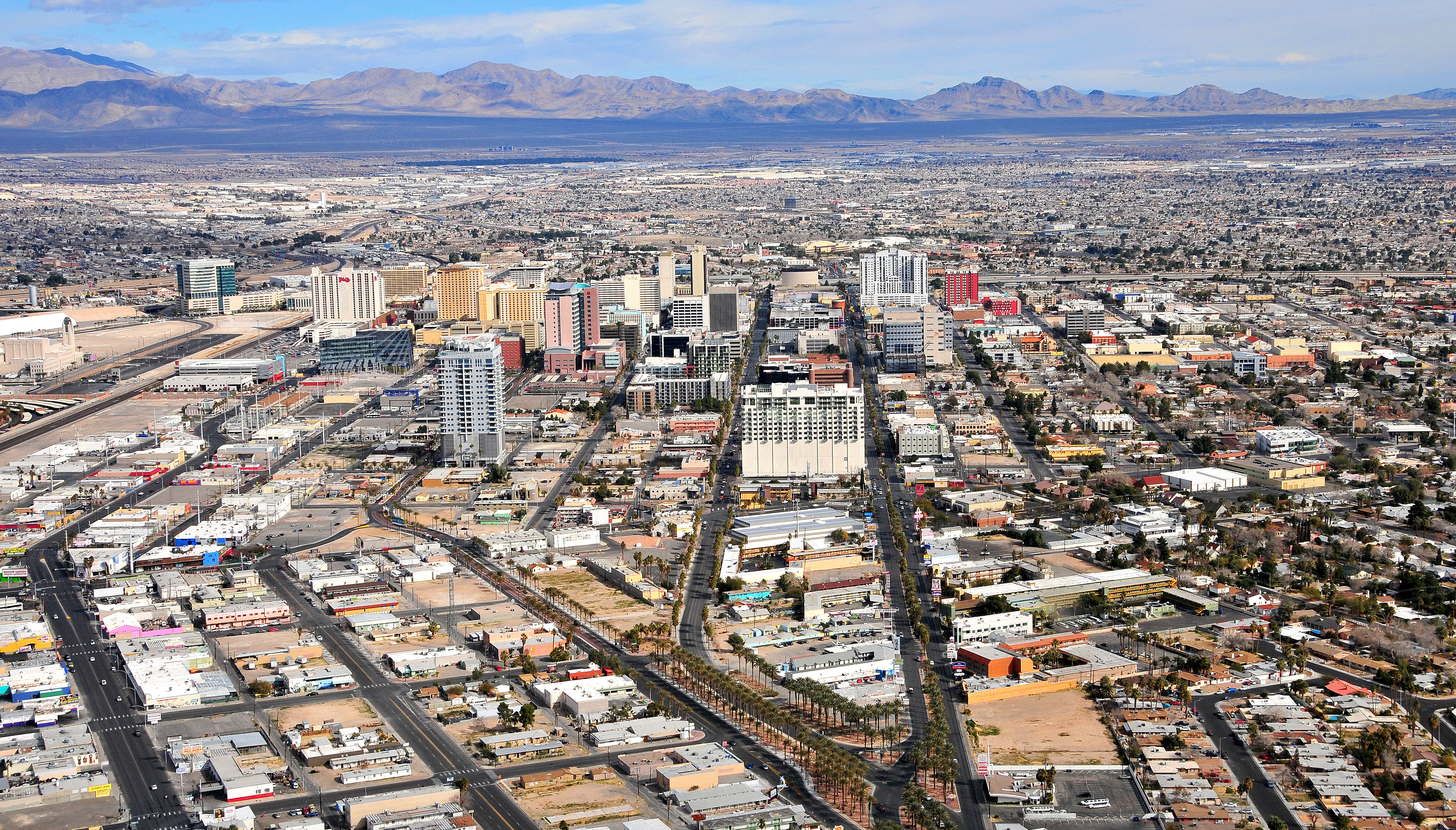
you want 24-hour neon spectacle — Strip megaresorts, the Sphere, celebrity-chef dining, pool clubs, and Red Rock + Grand Canyon + Zion within day-trip range
Charleston
Las Vegas