Charleston
United States

Oʻahu
United States
Charleston
Oʻahu
💰 Budget
🛡️ Safety
Charleston
The historic peninsula and the surrounding beach/barrier islands are very safe for visitors, with low violent crime and a heavy tourist-police presence downtown. Property crime (car break-ins, package theft) is the most common issue. Some outlying neighborhoods on the West Side and in North Charleston have higher crime rates but are not places most tourists end up.
Oʻahu
Oahu is generally safe for visitors. Violent crime is low in tourist areas. The biggest risks are environmental — big surf, rip currents, reef cuts, sun exposure, and the occasional hiking accident in steep valleys. Petty theft from rental cars at trailheads and beaches is the most common tourist crime.
⭐ Ratings
🌤️ Weather
Charleston
Charleston has a humid subtropical climate — mild winters, long warm springs, and punishingly hot and humid summers. Hurricane season runs June through November with peak risk in August-September. Spring (March-May) and fall (October-November) are the sweet spots.
Oʻahu
Oahu has a tropical climate with just two real seasons — a warmer, drier summer (kau) and a cooler, wetter winter (hooilo). Temperatures stay remarkably steady year-round thanks to trade winds off the Pacific. The leeward (south/west) side is drier and sunnier; the windward (north/east) side is greener and wetter. Expect brief showers that pass quickly, leaving rainbows behind.
🚇 Getting Around
Charleston
The historic peninsula is small — about 2 miles north-to-south at its widest — and extremely walkable. Charleston has very limited public transit for a US city: CARTA buses exist but run infrequently and cover downtown poorly for tourists. Most visitors walk everything downtown and rent a car or use Uber/Lyft for beaches, plantations, and the airport.
Walkability: Charleston's historic peninsula is one of the most walkable neighborhoods in the American South — flat, shaded by live oaks, well-maintained sidewalks (some brick and uneven), and tightly packed with destinations. Outside the peninsula, however, the metro is car-dependent and pedestrian infrastructure thins out fast.
Oʻahu
Honolulu has TheBus, one of the most extensive city bus systems in the United States, and the brand-new Skyline rail (first segment opened 2023). But to really see Oahu — especially the North Shore and windward coast — you'll want a rental car for at least part of your trip. Rideshare is widely available in the Honolulu/Waikiki area.
Walkability: Waikiki is very walkable — most hotels, restaurants, and the beach are a short stroll apart. Downtown Honolulu and Chinatown are also pleasant on foot. Outside those areas, the island is built around cars, with long distances, limited sidewalks, and no pedestrian infrastructure on the coastal highways.
The Verdict
Choose Charleston if...
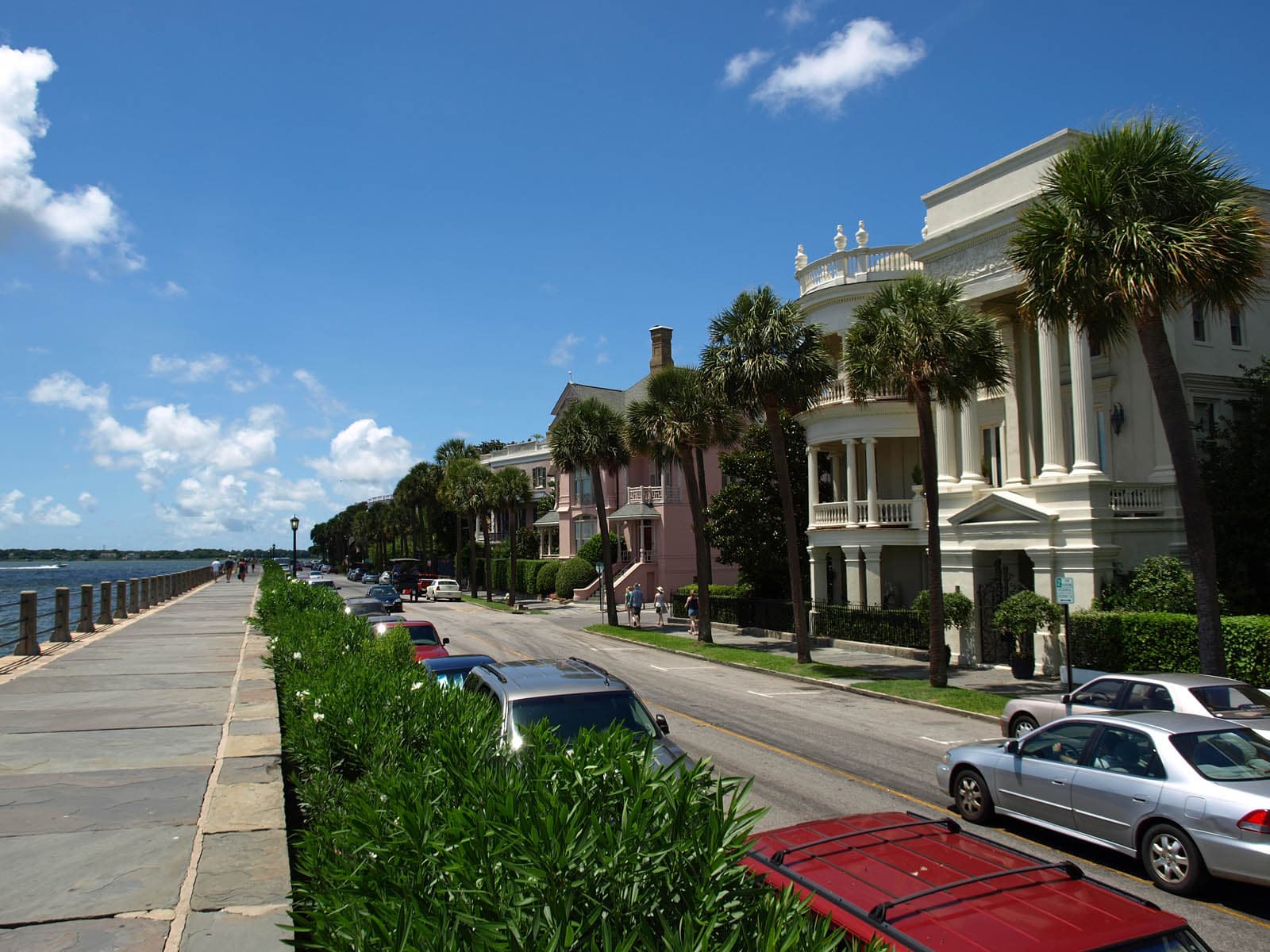
you want pastel antebellum architecture, harbor-side history, modern Southern cuisine's spiritual home, and Gullah-Geechee heritage
Choose Oʻahu if...
you want Waikiki surf, North Shore waves, Pearl Harbor history, Diamond Head hikes, and aloha spirit in the Pacific
Charleston