Charleston
United States

Oaxaca
Mexico
Charleston
Oaxaca
💰 Budget
🛡️ Safety
Charleston
The historic peninsula and the surrounding beach/barrier islands are very safe for visitors, with low violent crime and a heavy tourist-police presence downtown. Property crime (car break-ins, package theft) is the most common issue. Some outlying neighborhoods on the West Side and in North Charleston have higher crime rates but are not places most tourists end up.
Oaxaca
Oaxaca city is generally safe for tourists and has a welcoming, community-oriented atmosphere. The historic center is well-patrolled and walkable. As with all of Mexico, use common sense — avoid flashing valuables, be cautious at night in unfamiliar areas, and stick to reputable transport. Political protests occasionally block roads but are rarely dangerous to bystanders.
⭐ Ratings
🌤️ Weather
Charleston
Charleston has a humid subtropical climate — mild winters, long warm springs, and punishingly hot and humid summers. Hurricane season runs June through November with peak risk in August-September. Spring (March-May) and fall (October-November) are the sweet spots.
Oaxaca
Oaxaca city sits at 1,550 meters elevation and enjoys a temperate semi-arid climate with warm days and cool nights year-round. There is a distinct rainy season from June to September with afternoon thunderstorms. The city gets over 300 days of sunshine per year.
🚇 Getting Around
Charleston
The historic peninsula is small — about 2 miles north-to-south at its widest — and extremely walkable. Charleston has very limited public transit for a US city: CARTA buses exist but run infrequently and cover downtown poorly for tourists. Most visitors walk everything downtown and rent a car or use Uber/Lyft for beaches, plantations, and the airport.
Walkability: Charleston's historic peninsula is one of the most walkable neighborhoods in the American South — flat, shaded by live oaks, well-maintained sidewalks (some brick and uneven), and tightly packed with destinations. Outside the peninsula, however, the metro is car-dependent and pedestrian infrastructure thins out fast.
Oaxaca
Oaxaca's compact historic center is easily explored on foot. For outlying sites like Monte Alban, Hierve el Agua, and weaving villages, you'll need organized transport. Colectivos (shared vans) are the cheapest way to reach nearby villages. Ride-hailing apps work well in the city.
Walkability: The historic center is very walkable — the Zocalo, markets, Santo Domingo, museums, and best restaurants are all within a 15-minute walk of each other. Sidewalks can be narrow and uneven. Most streets in the centro are one-way with light traffic.
The Verdict
Choose Charleston if...
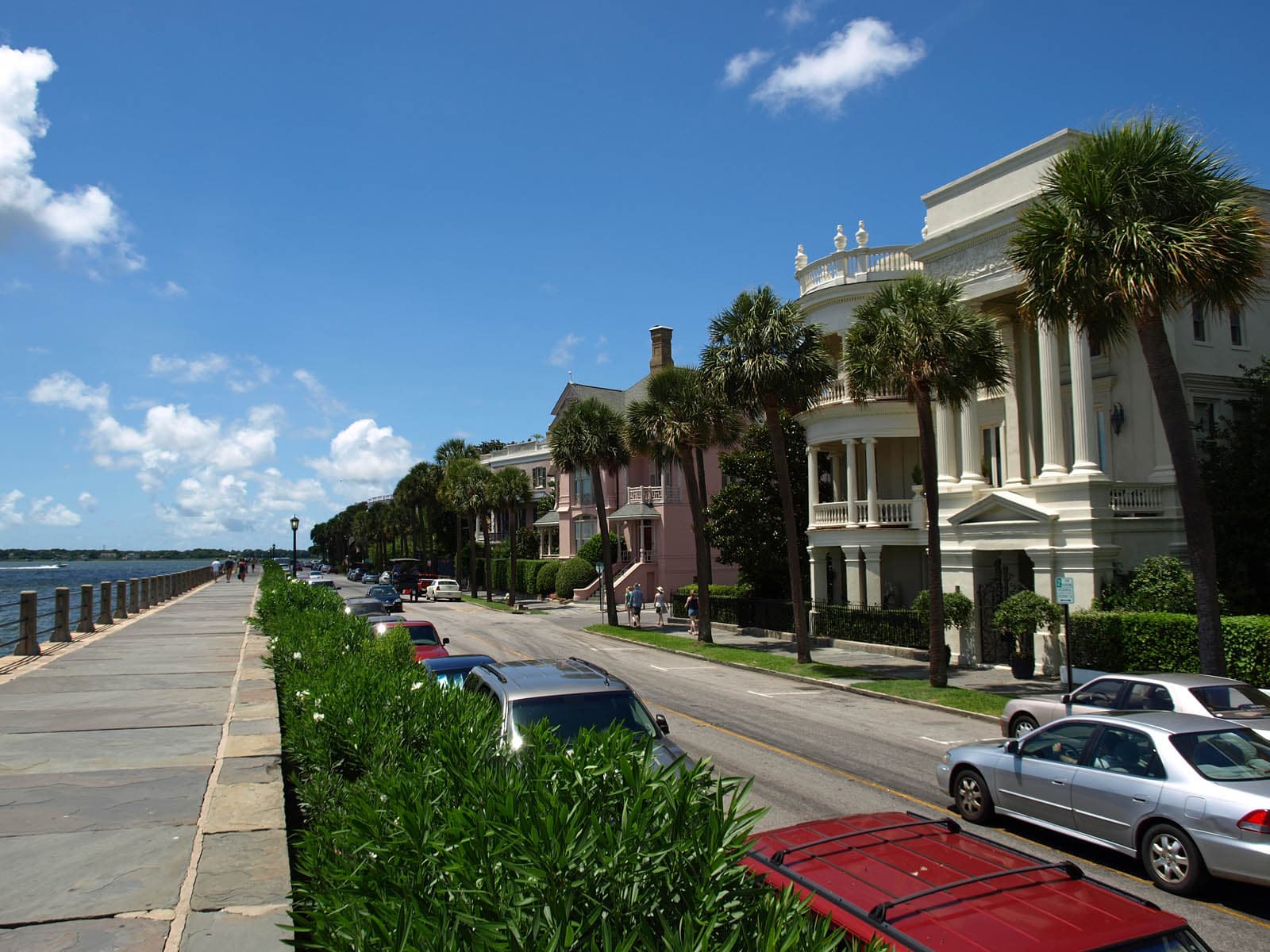
you want pastel antebellum architecture, harbor-side history, modern Southern cuisine's spiritual home, and Gullah-Geechee heritage
Choose Oaxaca if...
you want Mexico's best food scene, mezcal culture, indigenous markets, and Day of the Dead celebrations
Charleston