
Da Lat
Vietnam
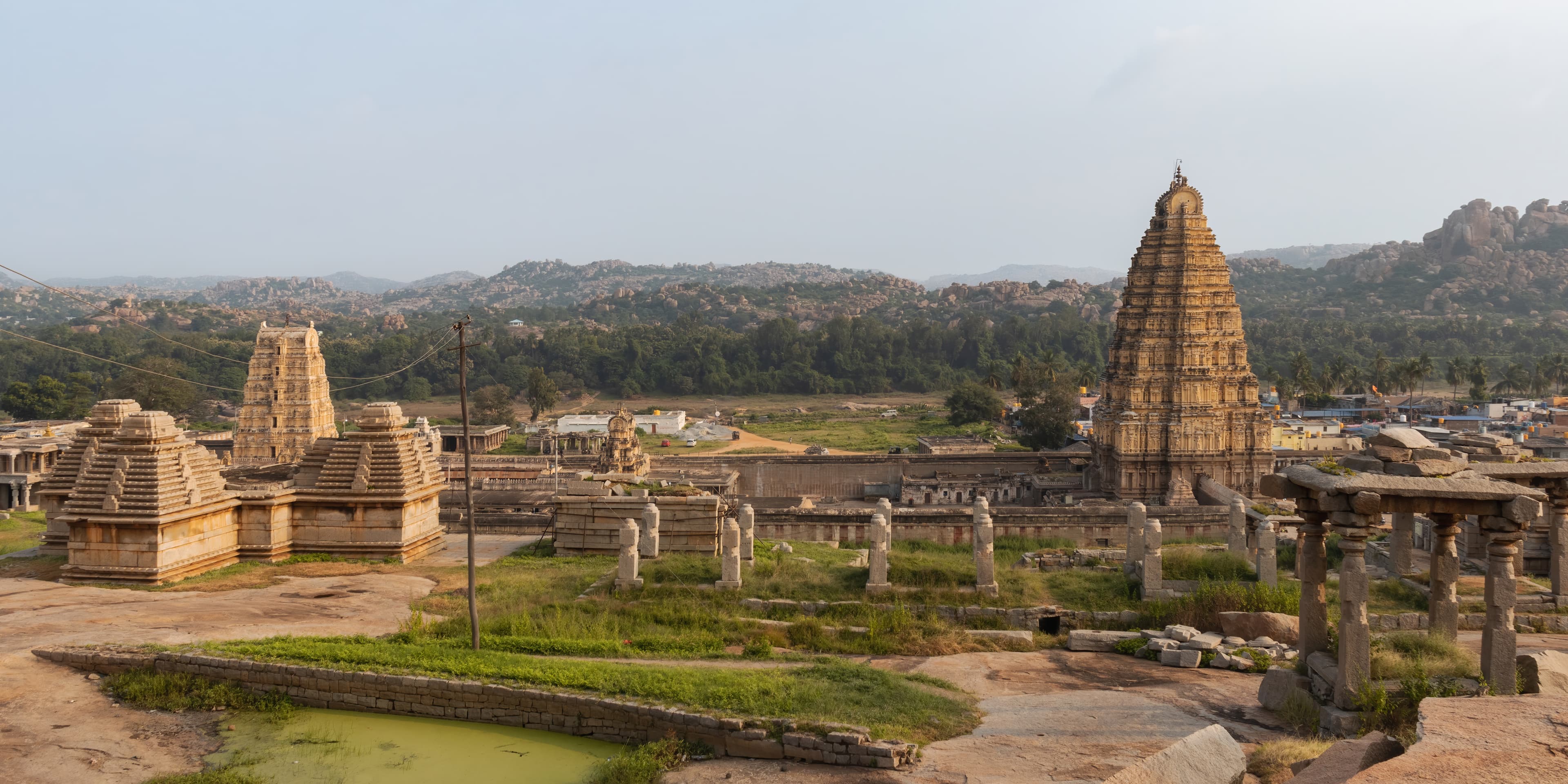
Hampi
India
Da Lat
Hampi
💰 Budget
🛡️ Safety
Da Lat
Da Lat is one of the safer destinations in Vietnam — violent crime against tourists is extremely rare, locals are used to visitors, and the city has a calm atmosphere compared to coastal resorts. The main safety concerns are specific and manageable: mountain road motorbike accidents, adventure activity risks (canyoning in particular), and altitude-related cold exposure that surprises travellers arriving from the coast. Petty theft is uncommon but not unheard of at the night market.
Hampi
Hampi is a safe destination by Indian standards, with violent crime toward tourists extremely rare. The primary hazards are environmental rather than human — heat stroke in summer, slippery barefoot temple steps, and monkey bites from the large Rhesus macaque population around the temples. India's overall safety index sits around 112 on global peace indices; Hampi, as a pilgrimage and tourist town, is notably calmer than urban India.
⭐ Ratings
🌤️ Weather
Da Lat
Da Lat's highland location at 1,500 meters gives it the most temperate climate in Vietnam. While the coast swelters and Hanoi freezes, Da Lat sits in a permanent mild band of 15–24°C. Locals wear light jackets most of the year and genuine sweaters from November to February. There is a distinct dry season and rainy season, but even in the wet months temperatures remain pleasant.
Hampi
Hampi sits on the Deccan Plateau in northern Karnataka, giving it a semi-arid climate with extremes in both directions. The tourist season runs mid-October to mid-March, when temperatures are pleasant and the granite ruins are comfortable to explore on foot. The remaining months — summer heat peaking above 40°C and a monsoon that turns paths muddy — make off-season visits genuinely challenging.
🚇 Getting Around
Da Lat
Da Lat's city centre — the market, Xuan Huong Lake, and the main hotel strip — is walkable for fit travellers, though the terrain is hilly and distances add up quickly. Getting to the waterfalls, Langbiang, and Truc Lam requires transport. Grab works reliably. Motorbike rental gives the most freedom. The Easy Rider tour system is separate from ordinary transport and is covered in local picks.
Walkability: The city centre around Xuan Huong Lake and Hoa Binh Square is walkable but hilly — expect some steep climbs between the market district and the lake. The outer sights (waterfalls, Langbiang, Truc Lam) require transport. There is a city bus network but routes are limited and infrequent.
Hampi
Hampi's ruins span roughly 26 km² — too large to walk entirely but well-suited to bicycle or scooter. The Sacred Centre (Virupaksha to Vittala Temple, ~3 km) can be done on foot. The Royal Centre (Lotus Mahal, Elephant Stables, Queen's Bath) is a further 3–4 km south, making a bicycle or hired auto-rickshaw the practical choice for covering both zones in a day.
Walkability: The Sacred Centre core is walkable but the full ruin field is not — distances between major sites range from 1 to 6 km on sandy or rocky paths. The Royal Centre is not comfortably walkable from Hampi village. A bicycle is the minimum recommended transport for visitors wanting to cover both zones.
The Verdict
Choose Da Lat if...
you want Vietnam's cool French colonial hill station — 1,500m mountain air, Easy Rider motorbike tours, and coffee-country strawberries
Choose Hampi if...
you want a UNESCO boulder-and-ruins landscape — the Vijayanagara capital, Virupaksha Temple, Stone Chariot, Matanga Hill sunset, and Hippie Island slow days