
El Nido
Philippines
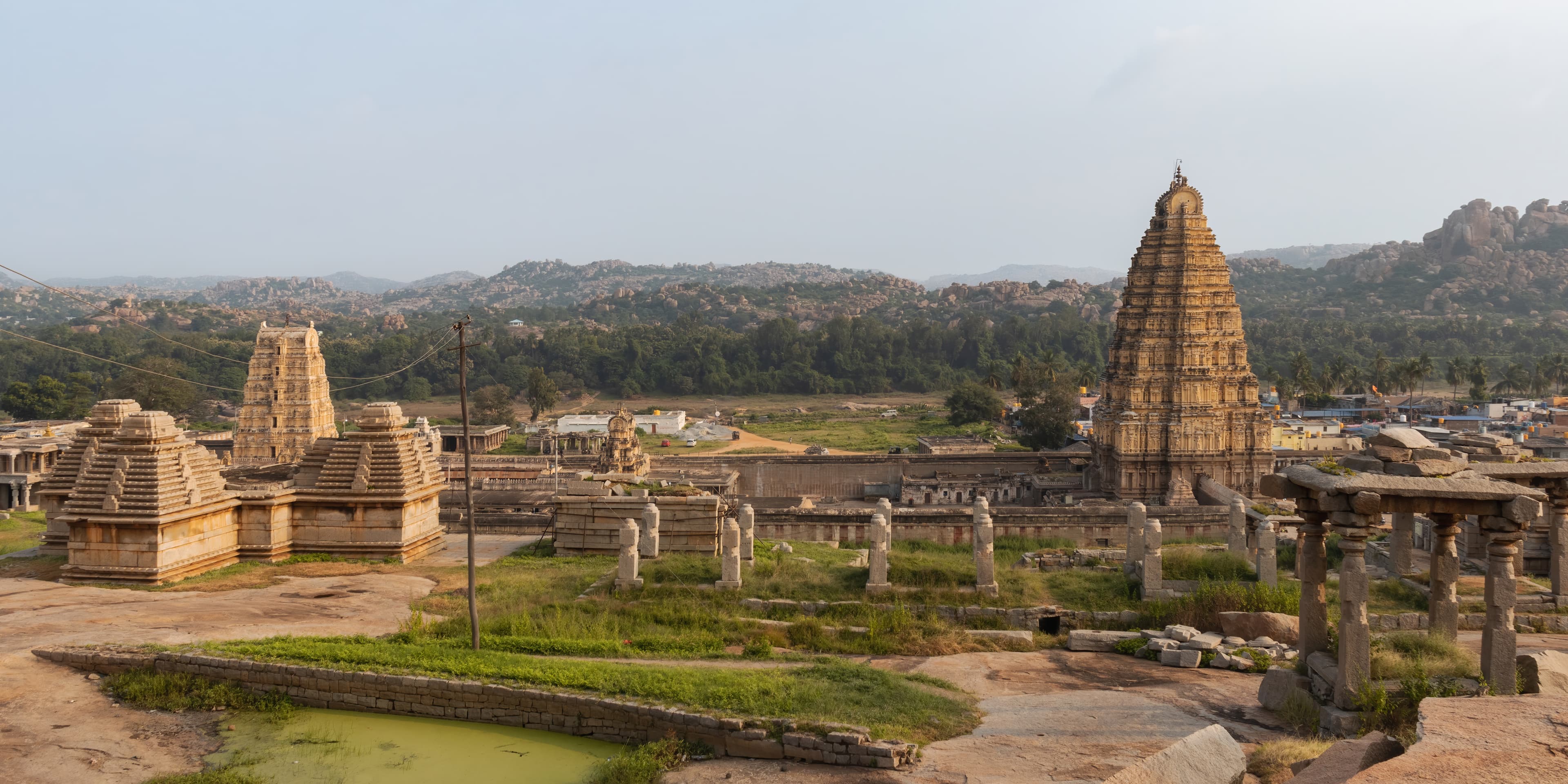
Hampi
India
El Nido
Hampi
💰 Budget
🛡️ Safety
El Nido
El Nido is a relatively safe destination by Southeast Asian standards for typical tourist activities. The biggest genuine risks are environmental rather than criminal: typhoons during the wet season, boat safety on the bay, and the physical hazards of snorkeling over sharp limestone in remote locations. Petty theft exists in the town center but is uncommon on the islands. The remote location means any serious medical emergency requires evacuation to Puerto Princesa or Manila, so travel insurance is not optional here — it is genuinely necessary.
Hampi
Hampi is a safe destination by Indian standards, with violent crime toward tourists extremely rare. The primary hazards are environmental rather than human — heat stroke in summer, slippery barefoot temple steps, and monkey bites from the large Rhesus macaque population around the temples. India's overall safety index sits around 112 on global peace indices; Hampi, as a pilgrimage and tourist town, is notably calmer than urban India.
⭐ Ratings
🌤️ Weather
El Nido
El Nido has a tropical climate with two distinct seasons rather than four: a dry season from November to May and a wet season from June to October. The Philippines' Pacific typhoon belt makes July through October genuinely hazardous — not just uncomfortable. Water temperature stays warm year-round at 26-29°C, and diving is possible in any month for those who plan around weather windows. The dry season is overwhelmingly the better time to visit, with the shoulder months of November and May offering excellent conditions with lower crowds.
Hampi
Hampi sits on the Deccan Plateau in northern Karnataka, giving it a semi-arid climate with extremes in both directions. The tourist season runs mid-October to mid-March, when temperatures are pleasant and the granite ruins are comfortable to explore on foot. The remaining months — summer heat peaking above 40°C and a monsoon that turns paths muddy — make off-season visits genuinely challenging.
🚇 Getting Around
El Nido
El Nido town is small enough to walk end-to-end in 15 minutes, but the surrounding area — from Nacpan Beach in the north to Las Cabanas and Corong-Corong in the south — requires transport. There are no taxis in the conventional sense and no Grab (Southeast Asia's Uber) coverage. Tricycles and motorbike rentals cover local needs; bangka boats are the only way to reach any island. The town's single main road is paved; roads north to Nacpan are rough in sections.
Walkability: The town center is walkable and compact. The main beach strip, restaurants, tour booking offices, and accommodation are concentrated within a 10-minute walk. The walk south to Marimegmeg/Las Cabanas (30 min on a coastal path) is scenic but rough in sections. Beyond town, all distances require transport — Nacpan is 15 km of rough road and impractical to walk.
Hampi
Hampi's ruins span roughly 26 km² — too large to walk entirely but well-suited to bicycle or scooter. The Sacred Centre (Virupaksha to Vittala Temple, ~3 km) can be done on foot. The Royal Centre (Lotus Mahal, Elephant Stables, Queen's Bath) is a further 3–4 km south, making a bicycle or hired auto-rickshaw the practical choice for covering both zones in a day.
Walkability: The Sacred Centre core is walkable but the full ruin field is not — distances between major sites range from 1 to 6 km on sandy or rocky paths. The Royal Centre is not comfortably walkable from Hampi village. A bicycle is the minimum recommended transport for visitors wanting to cover both zones.
The Verdict
Choose El Nido if...
you want Palawan's limestone-karst Bacuit Bay — Tours A-D island-hopping to lagoons, hidden beaches, and coral reefs
Choose Hampi if...
you want a UNESCO boulder-and-ruins landscape — the Vijayanagara capital, Virupaksha Temple, Stone Chariot, Matanga Hill sunset, and Hippie Island slow days