Grand Canyon National Park vs Portland
Which destination is right for your next trip?

Grand Canyon National Park
United States
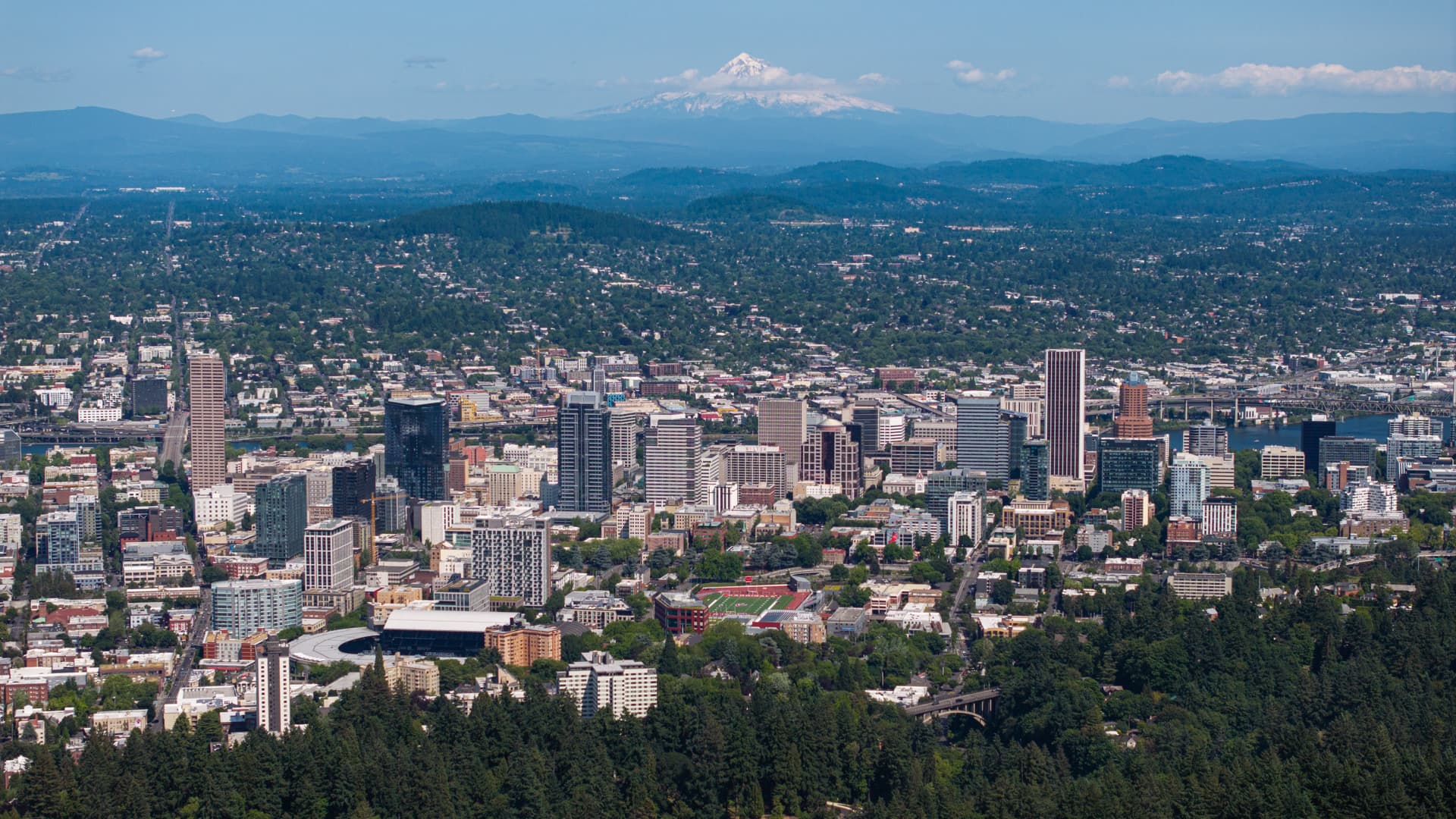
Portland
United States
Grand Canyon National Park
Portland
💰 Budget
🛡️ Safety
Grand Canyon National Park
Crime at the Grand Canyon is essentially a non-issue. Natural hazards are the real story — people die here every year, almost always from preventable mistakes. The single most important rule: DOWN IS OPTIONAL, UP IS MANDATORY. The canyon punishes overconfidence. Most search-and-rescue operations target day hikers who went too far, too fast, with too little water, in too much heat.
Portland
Portland is generally safe for tourists but the city has genuinely struggled since 2020. Downtown and Old Town lost considerable foot traffic, and visible homelessness and open drug use are more apparent than in most American cities. West side neighborhoods (Pearl, Nob Hill/NW 23rd, Washington Park) and most east side neighborhoods (Hawthorne, Division, Alberta, Mississippi) feel comfortable day and night. Downtown is improving in 2025-2026 but still patchy after dark.
⭐ Ratings
🌤️ Weather
Grand Canyon National Park
The Grand Canyon has three distinct microclimates stacked on top of each other. Rim temperatures (7,000-8,000 ft) are 10-15°C (20-30°F) cooler than the inner canyon and Phantom Ranch at river level (2,400 ft). A pleasant 24°C spring day on the rim can be a brutal 38-40°C in the canyon. The North Rim is cooler and wetter than the South Rim year-round. Monsoon season (July-September) brings dramatic afternoon thunderstorms with dangerous lightning on exposed rims.
Portland
Portland has a cool marine climate — famously rainy, but not in the way visitors expect. The rain is a persistent drizzle, not heavy downpours. Portland actually receives less annual rainfall (about 36 inches) than New York or Houston, but it is spread over 150+ rainy days from October through May. Summers (July through September) are gloriously dry, sunny, and warm. Winter brings occasional snow that typically melts within a day or two.
🚇 Getting Around
Grand Canyon National Park
The free park shuttle system is the backbone of South Rim transportation March through November. Color-coded routes (Village, Kaibab/Rim, Hermits Rest, Tusayan) connect every viewpoint, trailhead, and village facility. Hermit Road is CLOSED to private vehicles March 1 through November 30 — shuttle only. Desert View Drive is open to private vehicles year-round. A car is essential for Desert View Drive, reaching the North Rim, or leaving the park. There is no commercial taxi or ride-share service inside the park.
Walkability: The South Rim village and Rim Trail system are extremely walkable — the biggest distances are handled by shuttle. Hiking trails into the canyon are steep and strenuous, not casual walks. The North Rim area is compact, with the lodge, trailheads, and viewpoints all within walking distance.
Portland
Portland has the most useful public transit of any city its size on the West Coast. MAX light rail (5 lines) connects the airport, downtown, and key suburbs. The Portland Streetcar loops through downtown, the Pearl, and east side neighborhoods. TriMet buses fill in the gaps. Within individual neighborhoods — Pearl, Hawthorne, Alberta, Mississippi, NW 23rd — walking is the right answer. Portland is also one of the best US cycling cities with protected lanes and a cyclists-first culture.
Walkability: Portland is one of the most walkable large cities in the American West — grid-patterned, flat on the east side, and most interesting neighborhoods (Pearl, NW 23rd, Hawthorne, Division, Alberta, Mississippi, Belmont) have dense commercial strips. Downtown blocks are short (only 200 ft) which makes walking feel quicker. Expect rain 9 months of the year — a good waterproof shell is more useful than an umbrella in the Portland wind.
The Verdict
Choose Grand Canyon National Park if...
you want one of the planet's most iconic landscapes — free park shuttles, Bright Angel Trail to the Colorado, and Desert View sunrises
Choose Portland if...
you want craft beer everywhere, no sales tax, food carts, Powell's Books, and the Cascades plus Coast at the doorstep
Grand Canyon National Park
Portland